



Digital Trends
AI is all around us now. From your phone to home appliances, it practically sits everywhere–and it might just get a lot more intimate. A recent report claims OpenAI and Jony Ive are working on a small, screenless AI speaker shaped somewhat like a doughnut. It could be battery-powered, portable enough to carry around the house, and packed with microphones, cameras, sensors, speakers, lights, and even moving parts.
It sounds like someone finally decided the Amazon Echo needed eyes and a personality. And not to be too negative, the idea of a “ChatGPT”-powered hardware really doesn’t sound so great.
I like ChatGPT where it already is
My relationship with AI currently has a convenient boundary. It acts like an assistant that does the grunt work and makes my life just a little easier. But a dedicated home companion changes that relationship. The rumored OpenAI device reportedly wants to understand the environment around it and provide more contextual, human-like interactions. So the addition of cameras and microphones isn’t too surprising.

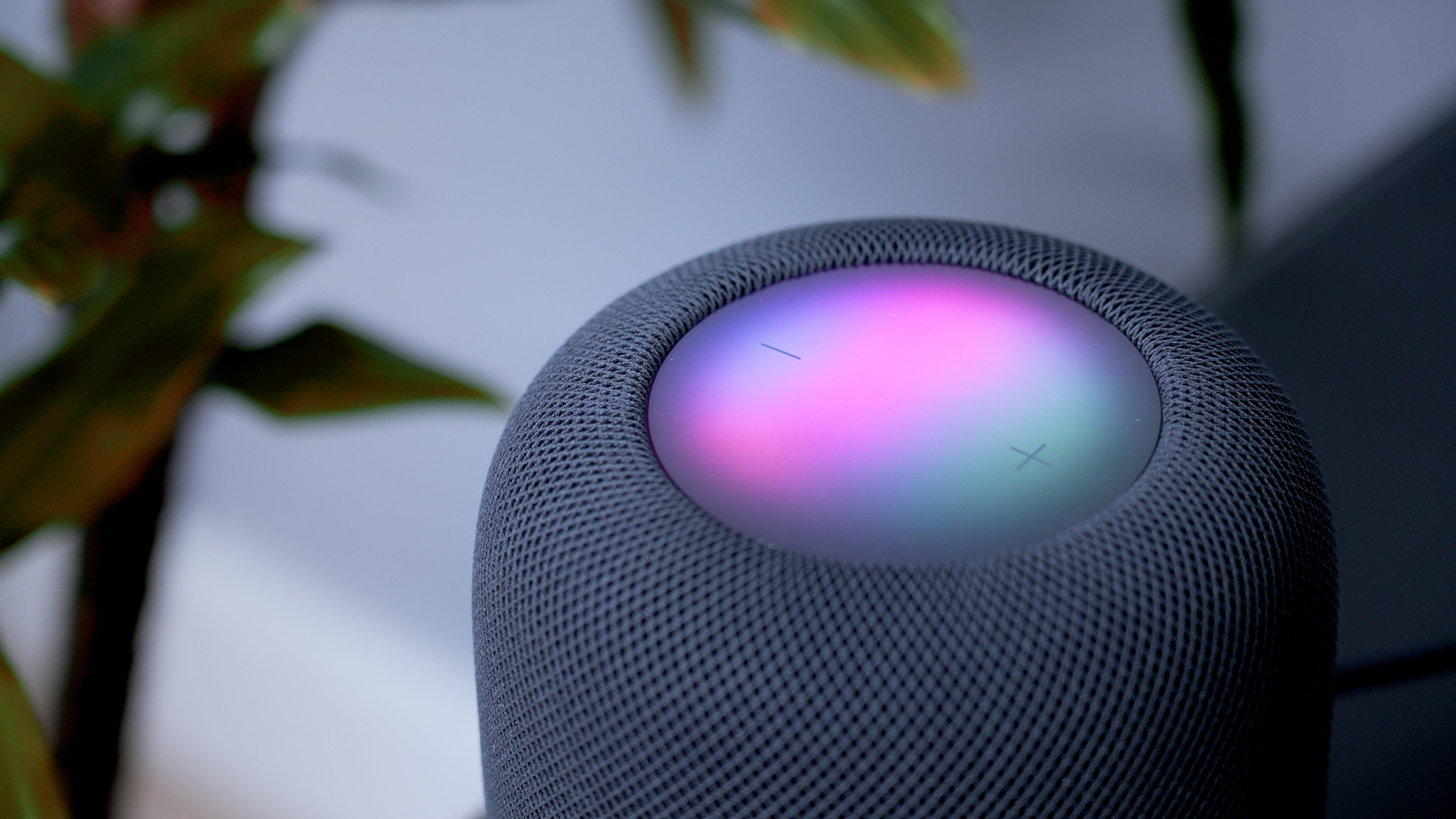
An AI assistant becomes vastly more capable when it can understand who is speaking, what is nearby, and what is happening around the room. If it’s not already obvious, this already sounds like a classic case of a “double-edged sword”.
We already worry about microphones everywhere
Those conspiracies around ambient microphones didn’t begin with generative AI. Smart speakers have been in our homes for years, always waiting for wake words. Phones now show indicators when apps access the microphone or camera precisely because people want to know when those sensors are active. A bunch of tech giants have already acknowledged that human contractors occasionally listen to and transcribe a small percentage of voice recordings captured intentionally or “accidentally”.


A good example is the recordings taken by smart assistants like Siri or Alexa. However, more recent AI hardware is all about that sound input. Meta is allegedly developing an AI pendant centered around continuous listening. We have also covered privacy problems surrounding smart glasses equipped with cameras and microphones, where everyone around the wearer becomes part of the equation.
There is even a startup selling a device designed to create a privacy zone that interferes with nearby microphones. Meanwhile, an app was built just to tell you if there are any smart glasses around. The product isn’t the obvious enemy; it’s the lack of privacy in any kind of public setting. It’s gotten to the point that restaurants are banning these wearables.
All of this tells you something about where consumer anxiety is heading. I am careful here because OpenAI has yet to reveal how its hardware will handle recordings and where it will be processed. We also don’t have any info on camera access or data storage.

The bedroom is a lot more… private
I can understand putting a contextual AI device in a kitchen where the device can see ingredients and help you walk through a recipe. In a home office, it might summarize a discussion or manage tasks while you’re occupied with something else. But the bedroom has a very different setting.
This is the safe space for conversations without an audience. Phones get tossed aside before people go to sleep. A camera-equipped AI companion needs an extraordinarily good reason to be in such an intimate space. Physical controls would go a long way. Give me a proper microphone kill switch or a physical shutter slider. Make processing local wherever possible. Tell me exactly what gets uploaded, what gets stored, and how quickly I can delete it. A glowing icon somewhere on a $300 AI doughnut doesn’t seem very reassuring.


Maybe OpenAI can prove me wrong
The irony is that I understand what OpenAI and Jony Ive might be trying to achieve here. Sam Altman has previously criticized modern devices for constantly demanding attention, while Ive has talked about creating simpler computing experiences.
But the baggage that such technology carries can’t be simply ignored. So until then, my phone already gives ChatGPT a microphone and camera whenever I decide it needs them. My bedside table will remain AI-free.
I’m already surrounded by AI. I don’t need ChatGPT living beside my bed
Source link


