



Digital Trends
Between reviewing tech for a living and spending most of my day in front of a screen, free time is a luxury. Yet almost every evening, I somehow find myself queueing up for two or three ranked Valorant games. My peak rank is Ascendant 1, and while I’m far from going pro, competitive FPS titles are where I put hundreds of hours every year.
For the longest time, my trusty Logitech G502 X Plus LIGHTSPEED was always waiting on my desk. It wasn’t the lightest mouse around, but it felt dependable. I’d flirt with lightweight esports mice now and then, only to come crawling back a few days later. Most of them either felt too hollow, too small, or simply lacked the reassuring heft I had grown accustomed to. Then the Logitech PRO X2 SUPERSTRIKE showed up, and for the first time, my G502 has been gathering dust.
Lightweight doesn’t have to feel… light
At around 61 grams, the PRO X2 SUPERSTRIKE couldn’t be more different from the G502. On paper, it sounds like exactly the kind of ultralight mouse I’d normally abandon after a week. Instead, it struck a balance I didn’t know I was looking for.

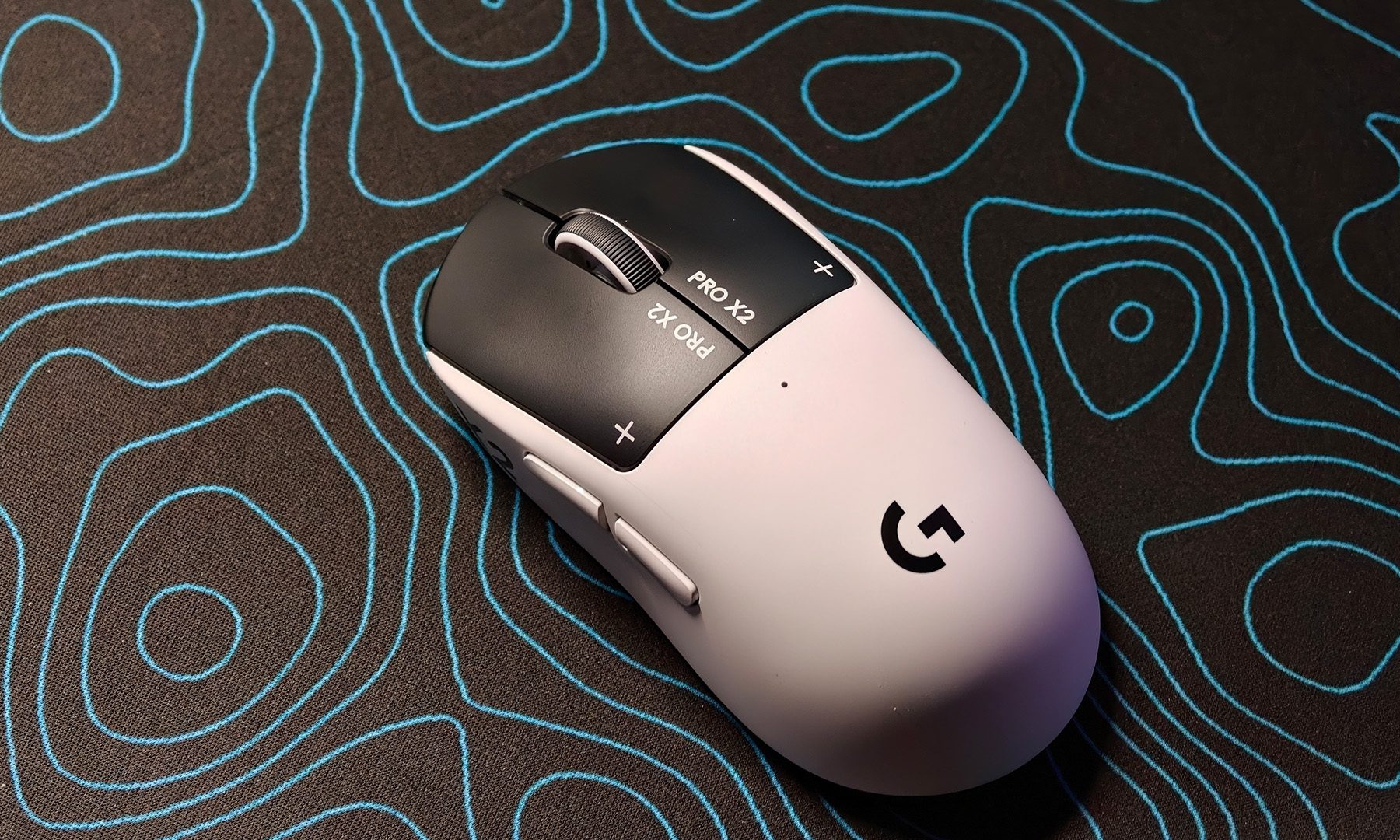
The shape fits naturally in my hand, making long Valorant sessions surprisingly comfortable, while the weight feels almost tailor-made for my low-DPI playstyle. Wide arm movements, quick flicks, and frequent mouse lifts require very little effort, but the mouse never feels flimsy or toy-like. There’s a surprising solidity to the chassis that makes it feel premium, even though it’s one of the lightest mice I’ve used. That’s probably the biggest reason it stuck around. It finally delivered the speed benefits of an ultralight mouse without making me feel like I was holding an empty plastic shell.
HITS made me relearn how to click
However, as much as I appreciate the weight and shape, they’re not why this mouse deserves attention. That credit goes to Logitech’s Haptic Inductive Trigger System, or HITS.
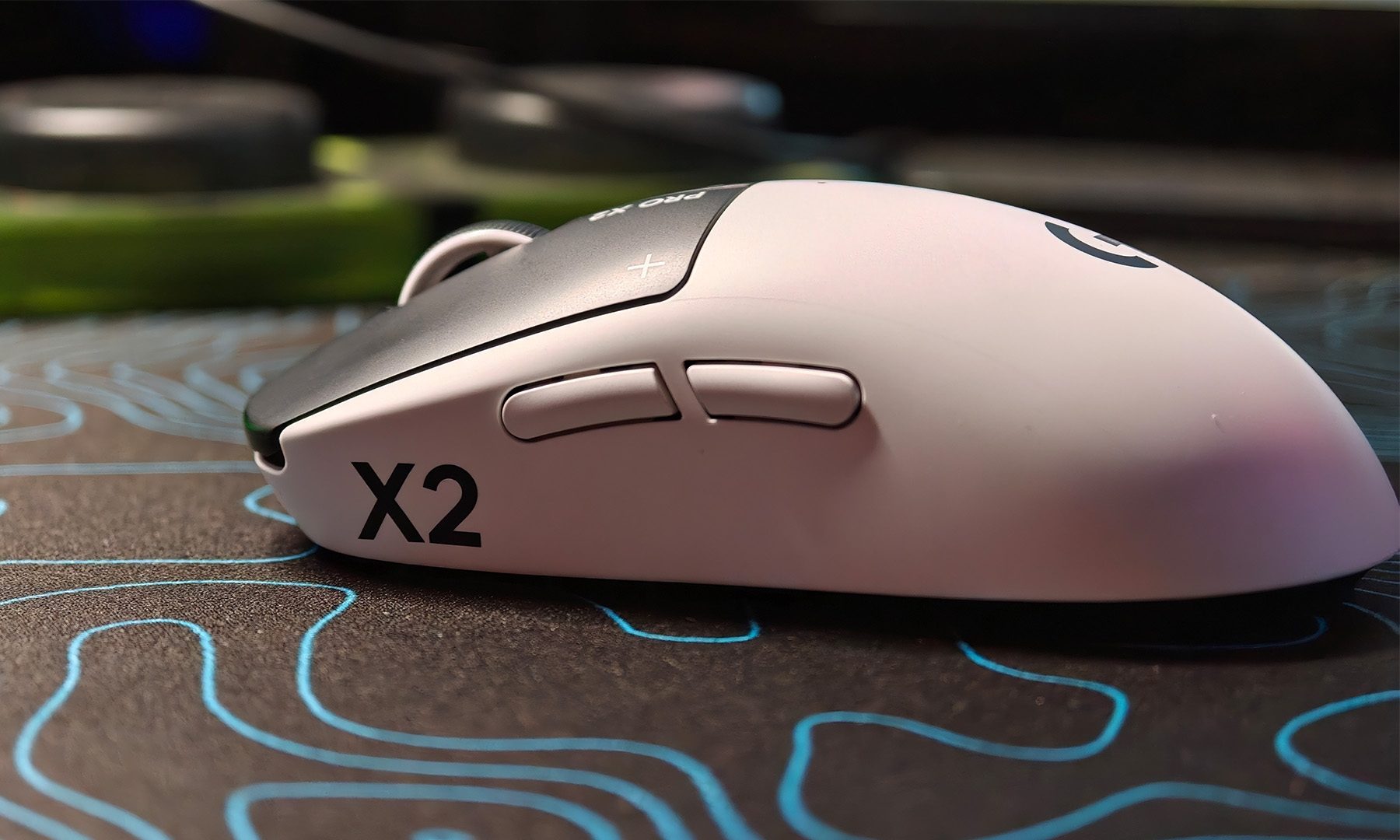
If there’s one comparison that immediately clicked in my head, it was Hall Effect keyboards like the Wooting. Just as those keyboards let gamers adjust actuation points and use features like Rapid Trigger, HITS applies the same philosophy to mouse buttons. Instead of relying on traditional mechanical or optical switches, the PRO X2 SUPERSTRIKE continuously tracks button movement using inductive sensing and recreates the click using haptic feedback. The actuation point, reset point, and even the strength of the tactile feedback can all be adjusted through software.
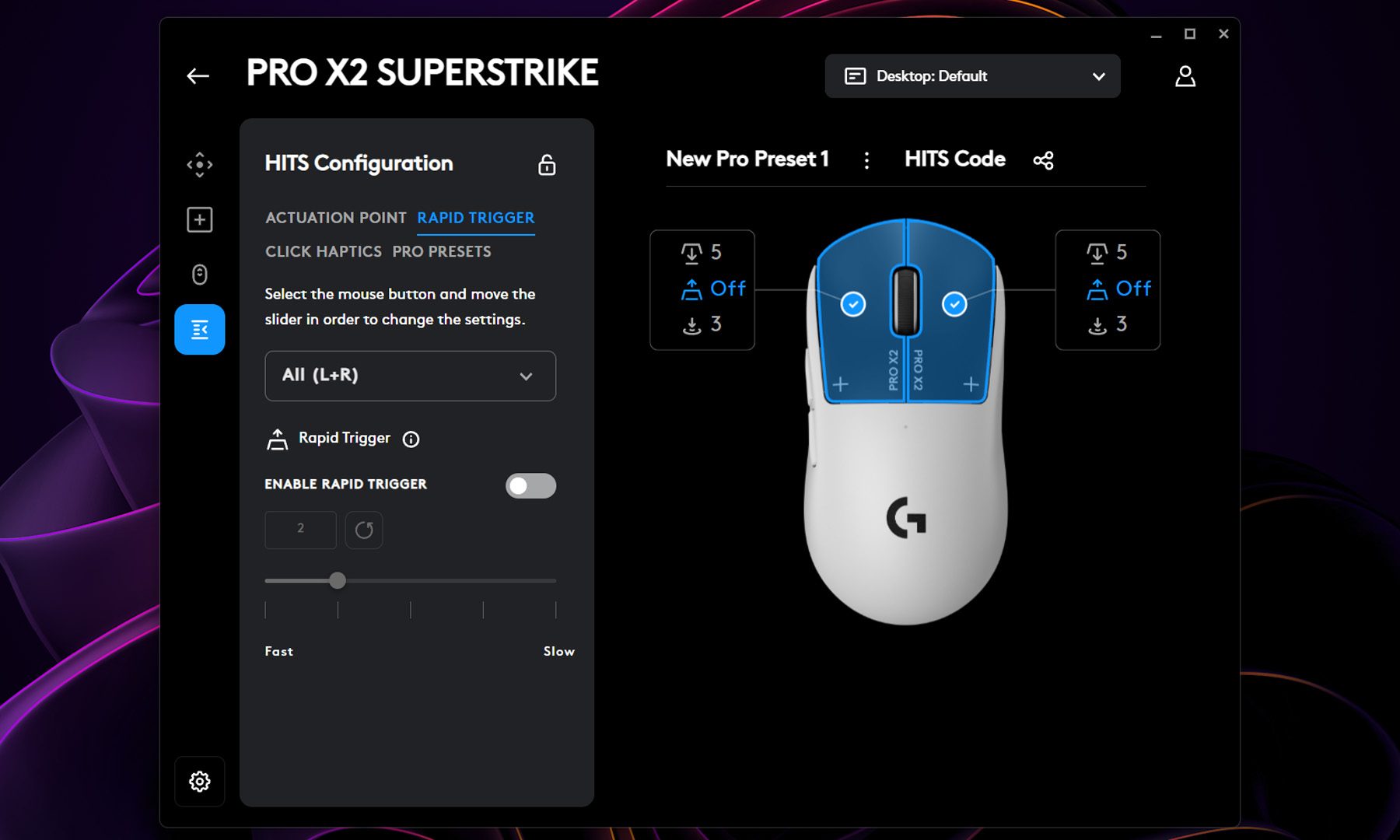
The first time I switched the mouse off, I genuinely thought something had broken. The buttons suddenly felt lifeless, with almost no tactile click to speak of. Turn it back on, though, and the haptics instantly trick your brain into believing there’s a physical switch underneath.
It’s weird. It’s clever. And for the first couple of days, it’s surprisingly difficult to trust.
Years of muscle memory had taught my fingers exactly how a mechanical switch should feel. HITS delivers a softer, more refined tactile pulse instead. It doesn’t try to imitate a traditional click perfectly, and honestly, I’m glad it doesn’t. It ends up creating its own identity rather than pretending to be something else.
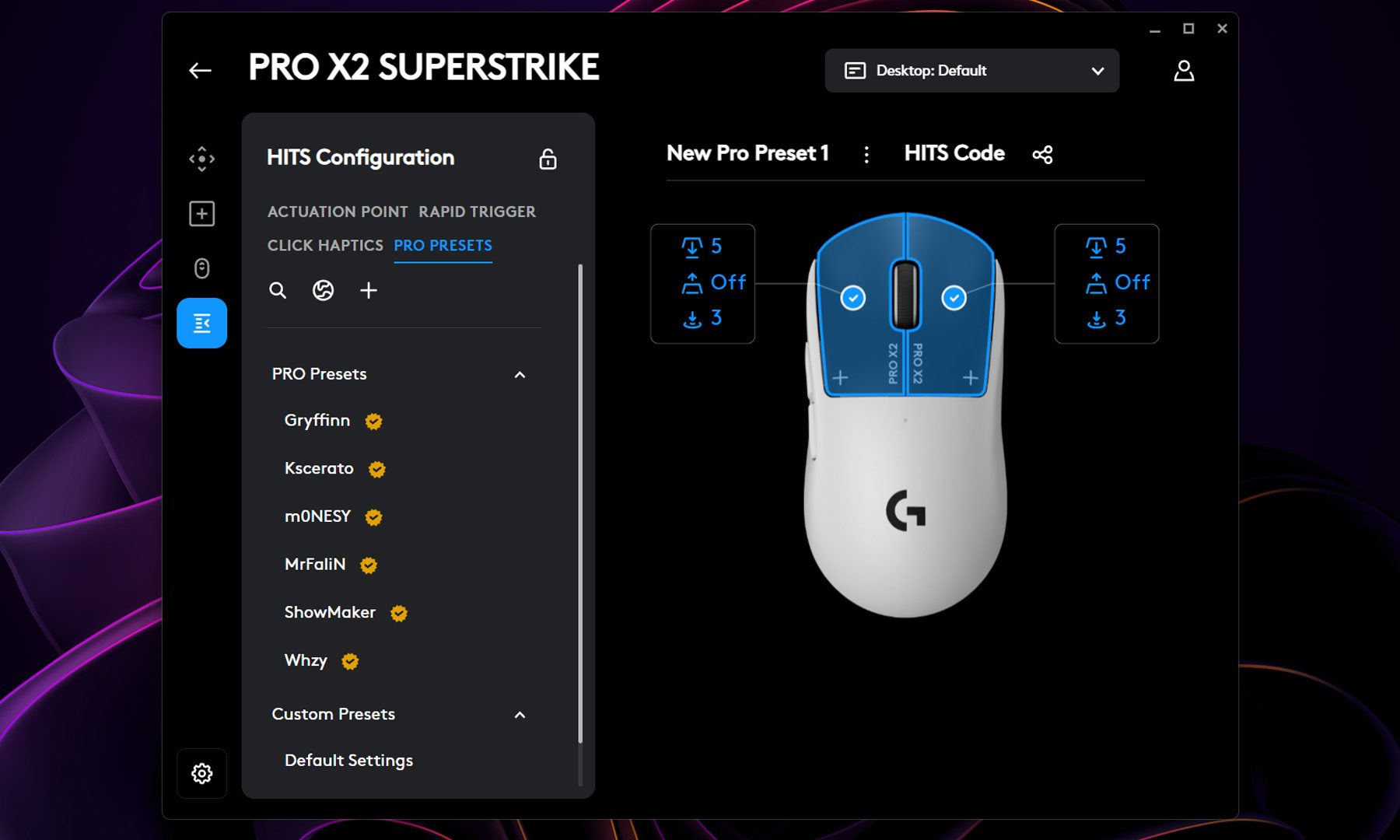
Of course, the best part is that there’s plenty of customizability underneath too. While the Logitech G Hub isn’t the most lightweight application out there, I will give credit to it for seamlessly transitioning my profile from the G502 to the PRO X2 SUPERSTRIKE. That said, since it’s a new mouse in itself, I didn’t find my ideal settings immediately. After almost every ranked session, I’d tweak the actuation point by a notch, lower the haptic strength, play a few more matches, then change it all over again the next evening. It became part of my routine.
Eventually, I landed on a setup that felt completely natural. That’s when it hit me. We’ve spent years obsessing over DPI, polling rates, and sensor performance, yet the mouse click itself has remained surprisingly primitive. HITS finally changes that. Instead of adapting to a fixed switch, I was gradually shaping the mouse around the way I play.
No, it didn’t magically make me Radiant
Whenever new gaming hardware pushes input technology forward, the internet inevitably starts arguing about whether it’s “cheating.” We’ve seen it with Rapid Trigger keyboards, Snap Tap, SOCD discussions, and now HITS. Personally, I think that misses the point.
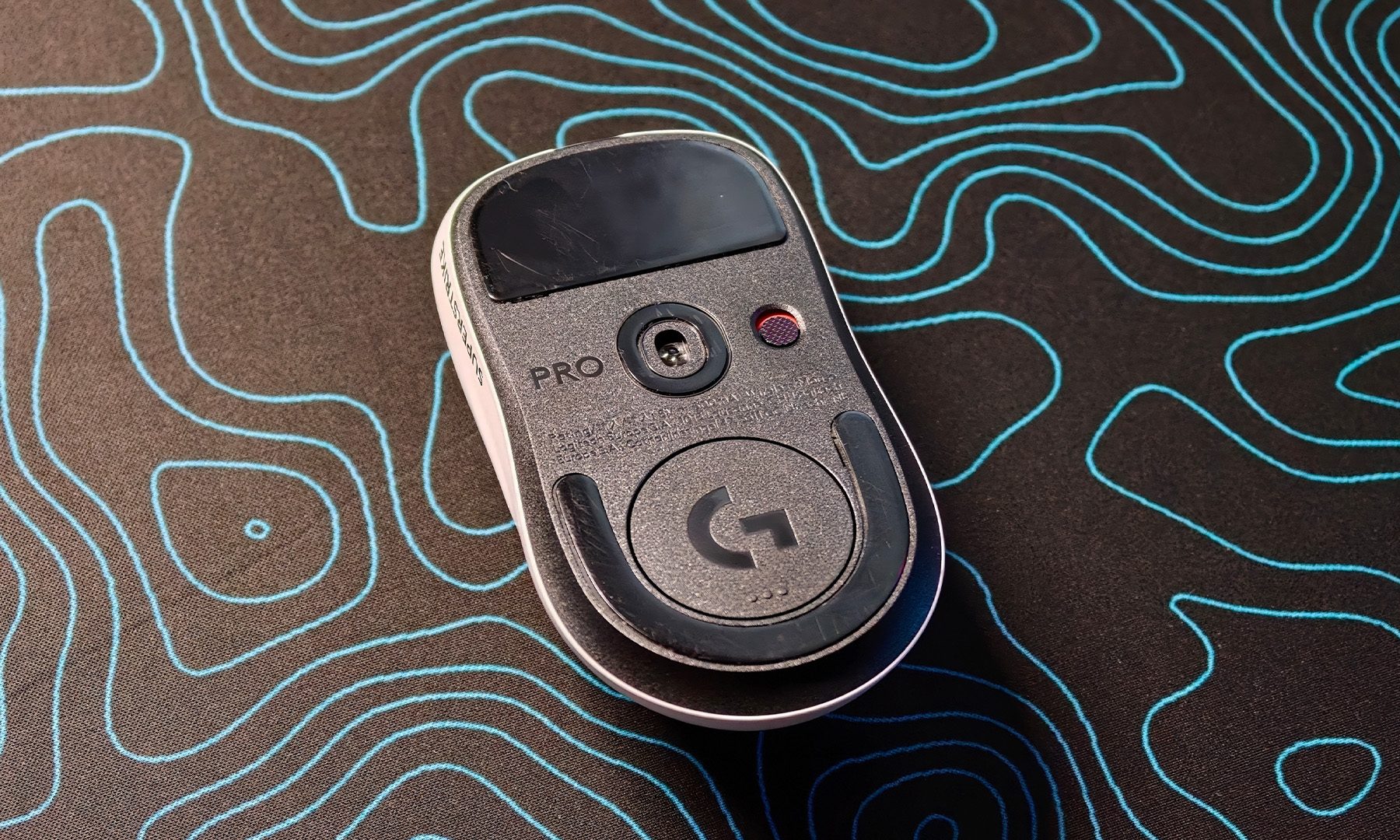
The PRO X2 SUPERSTRIKE didn’t suddenly improve my aim or carry me through Ascendant lobbies. It didn’t start winning my Sheriff duels or fix my questionable decision-making when I inevitably dry peek an Operator. What it did change was how connected I felt to every click. Knowing I could fine-tune the actuation point instead of living with a fixed mechanical switch made the mouse feel uniquely mine. It wasn’t about finding an unfair advantage. It was about removing one more layer between my hand and what happened on screen.
The mouse that finally retired my G502
After more than a month of playing ranked Valorant almost every day, I can confidently say the PRO X2 SUPERSTRIKE is the first lightweight gaming mouse that has permanently replaced my G502 X Plus LIGHTSPEED. Not because it’s lighter. Not because it’s faster. And not because HITS suddenly transformed me into a better player.
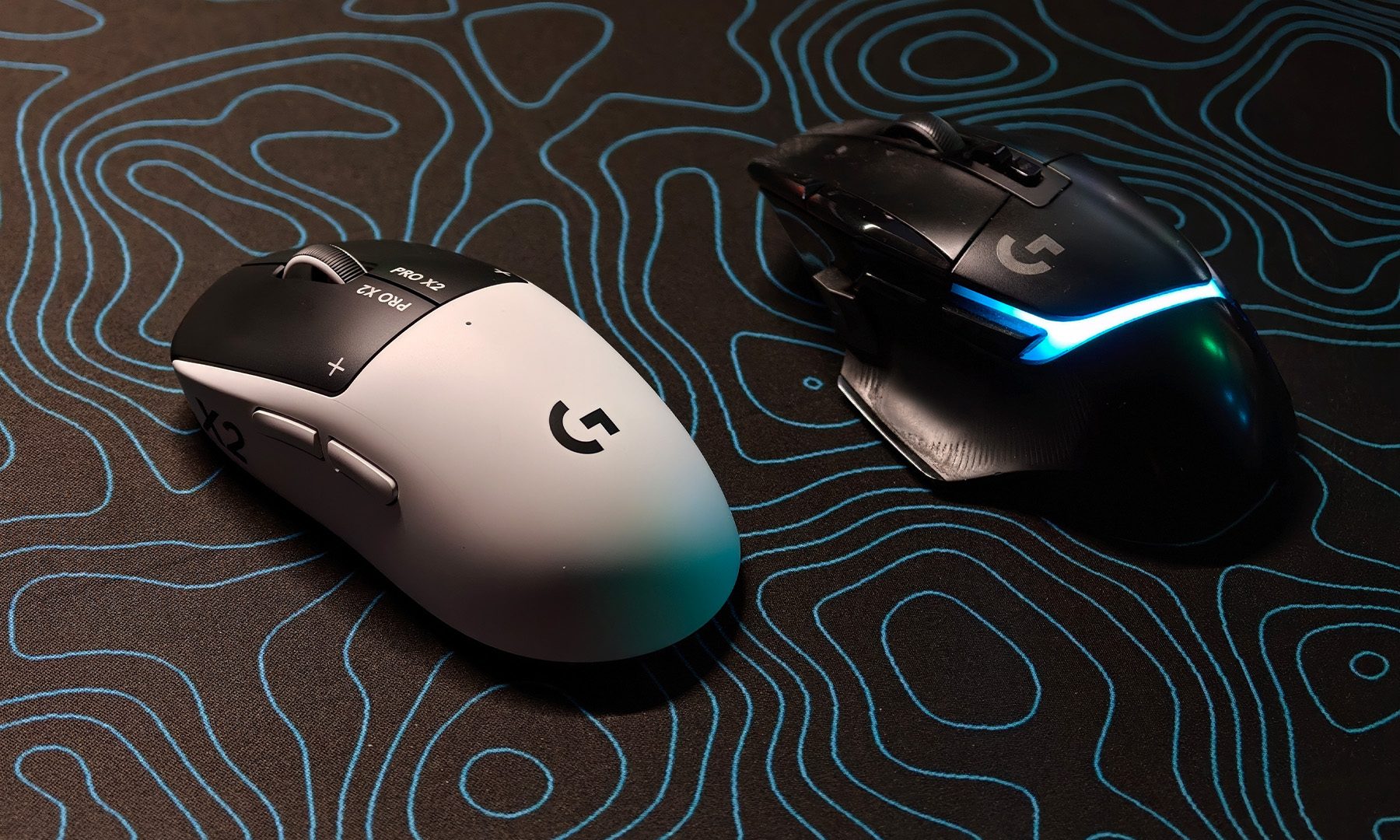
It’s because, for the first time, I felt like the mouse adapted to me instead of the other way around. Once I stopped thinking about the technology and simply enjoyed playing, going back to a traditional mechanical switch started to feel strangely limiting. Mechanical switches aren’t disappearing anytime soon, and plenty of gamers will still prefer that familiar tactile snap. But after living with HITS for over a month, I’m convinced Logitech has stumbled onto something genuinely exciting.
It’s been a long time since a gaming mouse made me rethink something as fundamental as clicking. HITS did exactly that, and now every time I pick up a traditional mouse, a tiny part of me wonders why its clicks are still stuck in the past.
Logitech’s PRO X2 SUPERSTRIKE HITS differently – and it made me rethink clicking
Source link


