
Why does the US have Iran's Kharg Island in its sights?
The tiny island is home to one of the most critical pieces of Iran’s energy infrastructure.
Source link
The tiny island is home to one of the most critical pieces of Iran’s energy infrastructure.
Source link
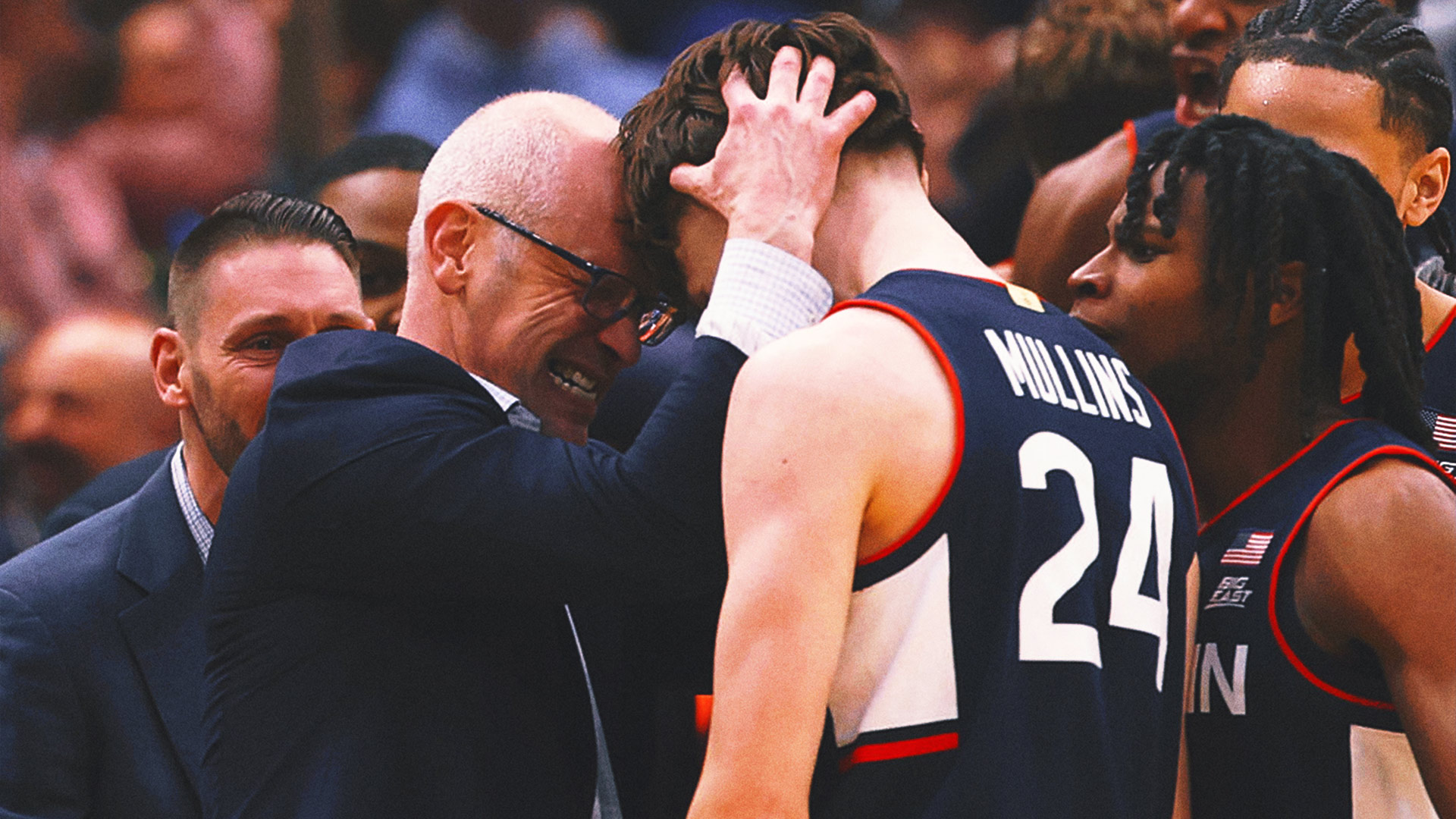
It was an uphill battle for UConn on Sunday. The second-seeded Huskies started the game going 1-for-18 from 3-point range and trailed top-seeded seed Duke by double digits with 6:37 remaining in the second half. That’s when things took a turn for the better.
UConn pulled off a stunning comeback, thanks to its gritty culture, which has been curated since the preseason and developed to come through in moments like Sunday’s Elite Eight 73-72 win over the Blue Devils.
“It takes a strong team … a tough team … tough men,” UConn coach Dan Hurley said in the postgame press conference. “We run a very intense program. We’re on these guys. We stress them in practice.
“We put a lot of pressure on them on a daily basis, to do the right things, to do everything at game speed, to do everything hard, to do everything tough [and] to be prepared — because that’s what it takes to win games like this.”
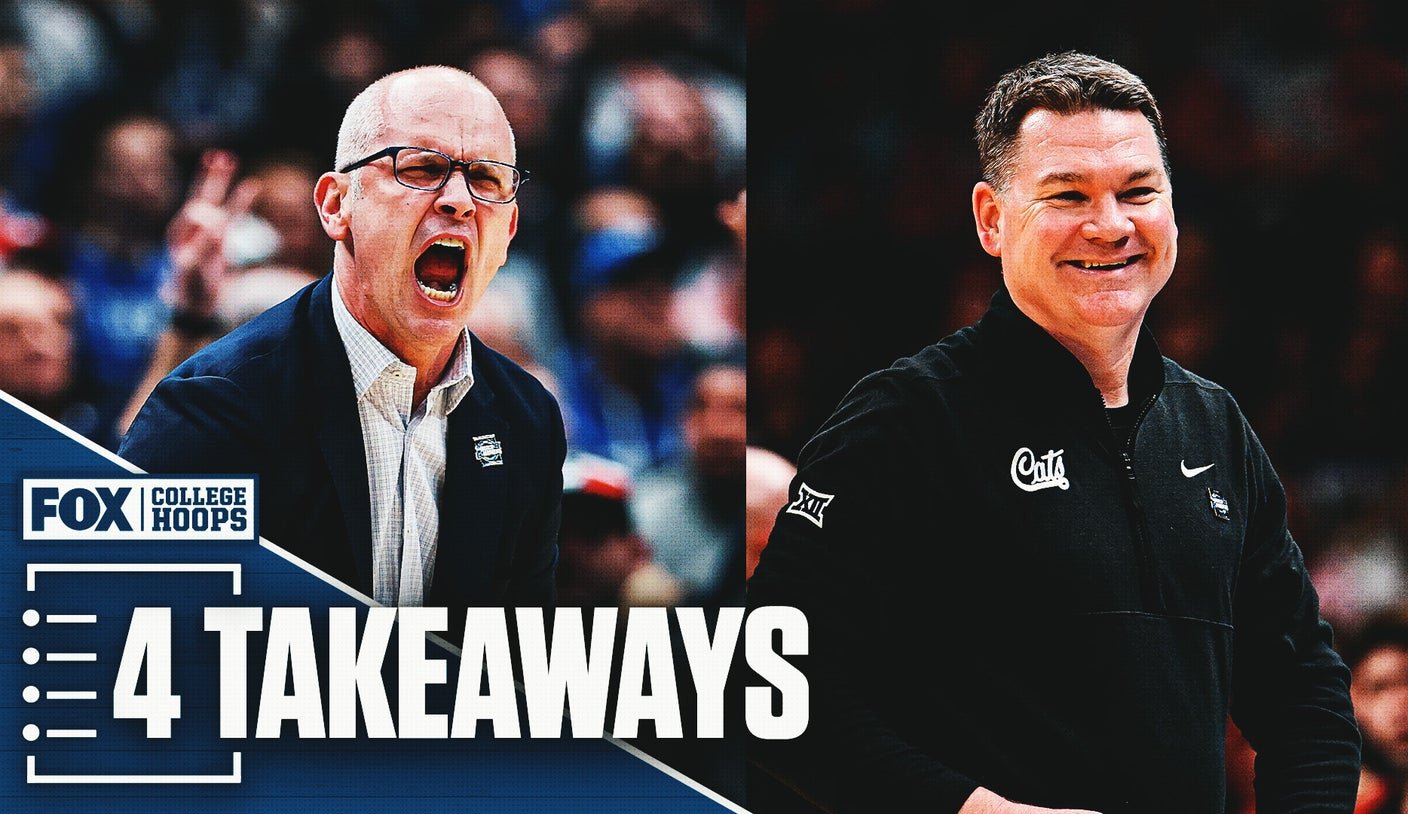
[March Madness: 4 Takeaways From the NCAA Men’s Basketball Tournament Elite Eight]
UConn went down early, falling behind 40-21 in the first half while Duke “punched us in the mouth,” according to Hurley. Duke freshman Cameron Boozer was dominating the game on both sides, and the Blue Devils took a 15-point lead into the break. The Huskies cut the margin to single digits with 6:07 remaining in the second half when Silas Demary Jr. knocked down back-to-back 3s. Demary epitomized the “tough men” Hurley was referring to, as he sustained a high-ankle sprain in the Big East Tournament and returned less than two weeks later.
Tarris Reed Jr. scored a layup, then dished a sweet pass to Solo Ball for another layup before Ball converted a three-point play that cut the margin to two. Duke answered, extending the margin to five and taking a two-point lead into its final possession. The Blue Devils just needed to get fouled and convert at the line to seal the game. Instead, UConn’s ball pressure flummoxed Duke.
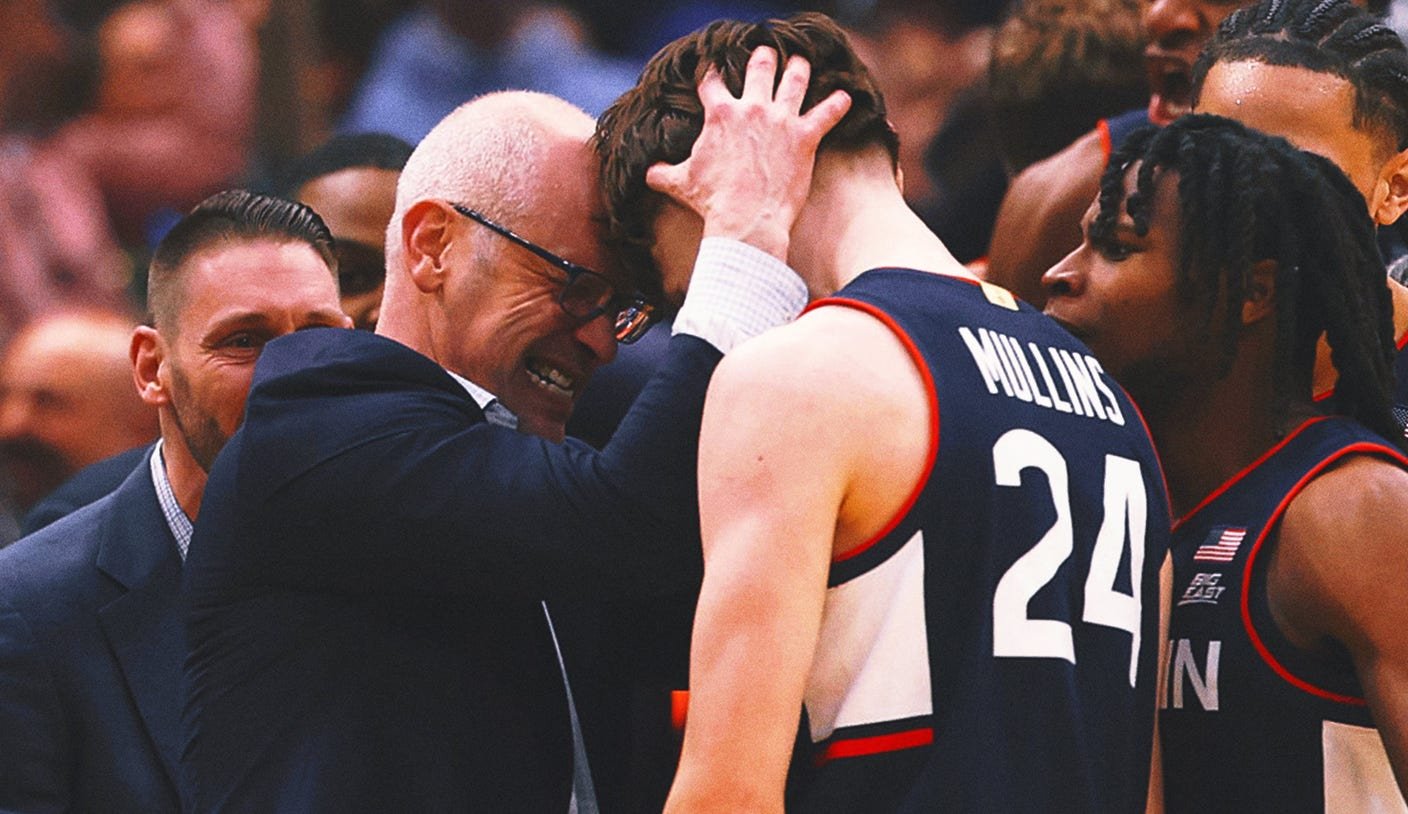
Instead of letting himself get fouled, Cayden Boozer tried to escape pressure with a pass over the top of two defenders. Demary tipped it, Braylon Mullins collected it and passed it along to Alex Karaban, who gave it right back, deferring to the freshman for the decisive shot.
“It’s still a loss of words, still processing all [that] just happened,” Mullins said after the game. “I had the ball, and I know [Alex Karaban] had just hit one. So I threw him the ball with four seconds left, and he just threw the ball back to me.
“I knew I had to put one up. Man, I’m just happy that’s the one that went down tonight.”
Mullins, like his teammates, had struggled from 3-point range earlier in the game, missing his first four attempts from deep. However, he made the one that counted most. That’s what UConn did collectively Sunday — showed up when it counted.
In what Hurley called “another epic chapter in the UConn-Duke NCAA Tournament dramatics”, the Huskies stuck with it and came out on top. “You’re having a really bad shooting night … but what kicks in is just a bunch of strong men, a strong team, players that let their coaches coach them hard and prepare them for tough moments,” Hurley said.
The 2026 UFL season opened Friday with new teams, new coaches, new players, new uniforms and new rules.
[2026 UFL: Everything To Know About the 2026 UFL Season]
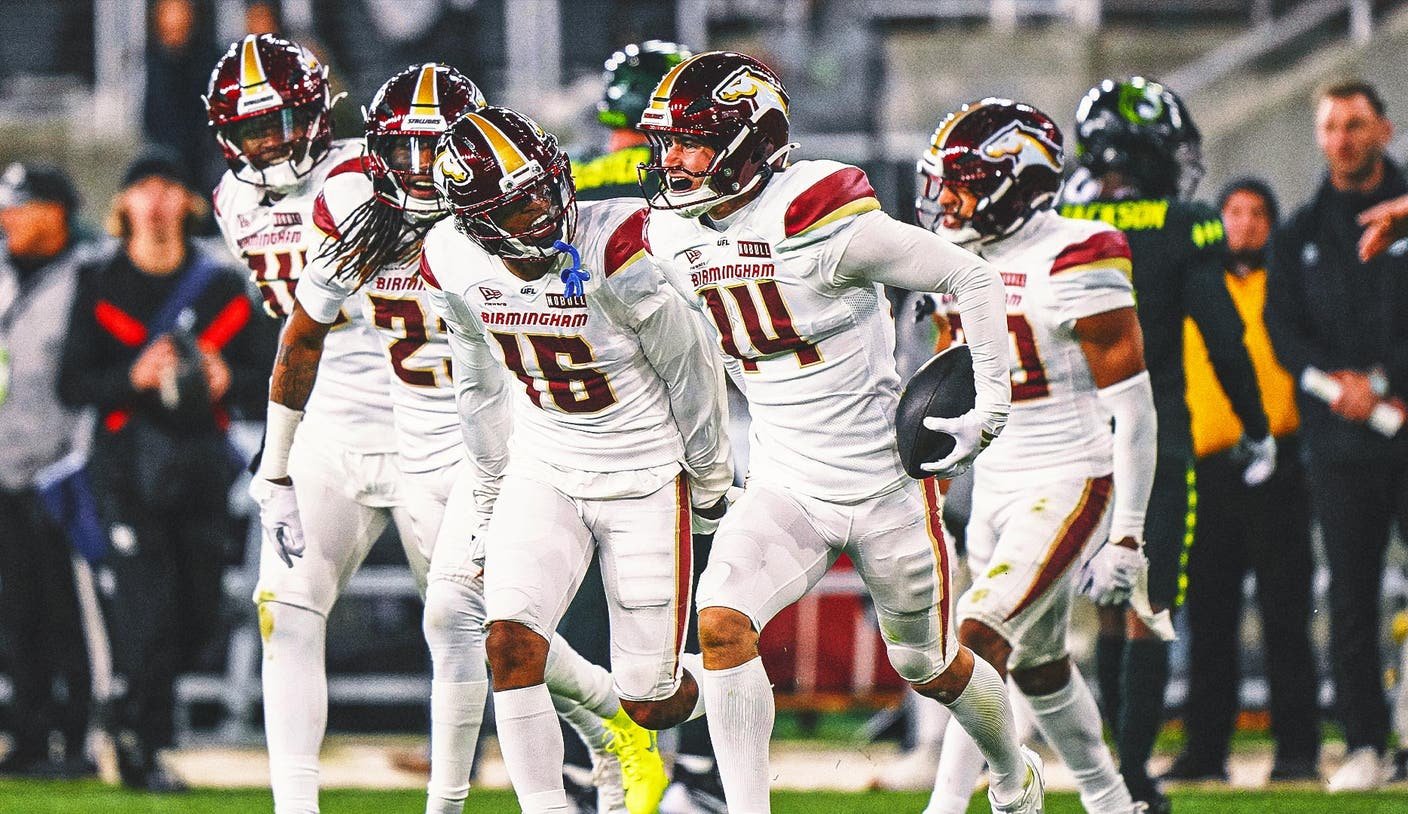
Kicking things off on FOX UFL Friday, the beloved Birmingham Stallions escaped a close one against the Louisville Kings — one of the league’s three brand-new franchises.
Up first on Saturday, it was a battle between two familiar faces, as the St. Louis Battlehawks took down the defending champion DC Defenders. Later that afternoon, the Dallas Renegades, who relocated from Arlington this season, crushed the Houston Gamblers, who reverted to their original name from the legacy USFL this season.
Closing things out Sunday, two new teams will go head-to-head, as the Columbus Aviators face the Orlando Storm.
Here are the results from Week 1:
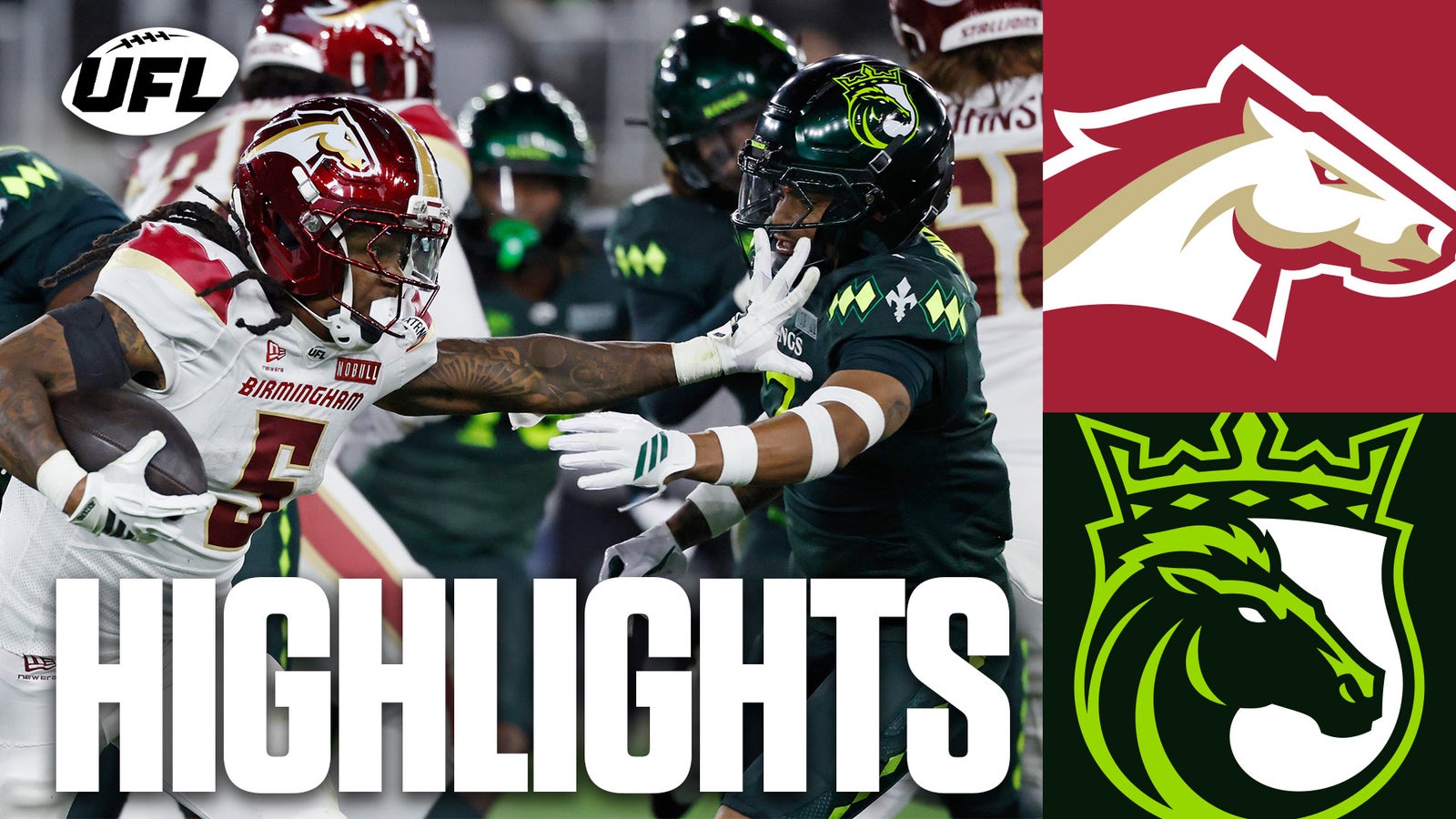
Key players: Stallions QB Matt Corral (21-for-30 for 208 yards, one touchdown), WR Jaydon Mickens (9-for-9 for 108 yards); Kings QB Jason Bean (14-for-27 for 226 yards, one touchdown).
Game recap: The Kings immediately turned the ball over on their first drive of the game, which led to a quick touchdown by the Stallions to make it 6-0. The Kings fired back with a touchdown drive of their own to regain the lead 7-6 late in the first quarter. Birmingham added a field goal midway through the second quarter to lead 9-7 at halftime.
The Stallions had the ball for nearly eight minutes to open the second half and ended up turning things over on downs late in the frame. That allowed Louisville to kick a field goal and take a narrow 10-9 lead into the fourth quarter. After the Stallions turned the ball over on downs yet again to open the final frame, the Kings went up 13-9 with another field goal. Just when it looked like things were over for the Stallions, they scored a touchdown with two minutes remaining to take a 15-13 lead. Louisville turned the ball over on an interception on its next drive, sealing the win for Birmingham.
Up next: In Week 2, the Stallions face the Gamblers and the Kings take on the Storm.
Key players: Battlehawks QB Brandon Silvers (16-for-28 for 198 yards, one touchdown), OLB Pita Taumoepenu (6.0 tackles, 2.5 sacks); Defenders QB Jordan Ta’amu (9-for-16 for 123 yards), WR Seth Williams (3-for-4 for 51 yards).
Game recap: The first points of the game were historic for the league, as Defenders kicker Matt McCrane connected on a 60-yard field goal — marking the first four-point field goal in UFL history. The Battlehawks responded with a field goal of their own from 58 yards to make it a one-point game early, 4-3. The Defenders fired back with a 10-play, 66-yard touchdown drive that ended with a goal-line rush to make it 10-3.
The second quarter was chaotic — a flurry of punts, interceptions and missed field goals — before the Battlehawks connected on a short field goal just before halftime to close the gap slightly, 10-6. The Defenders never found a rhythm in the second half. They finished the game with three more punts, an interception and a missed field goal, while the Battlehawks added a score late in the third and a field goal early in the fourth to seal a 16-10 win at home.
Up next: In Week 2, the Battlehawks face the Renegades and the Defenders take on the Aviators.
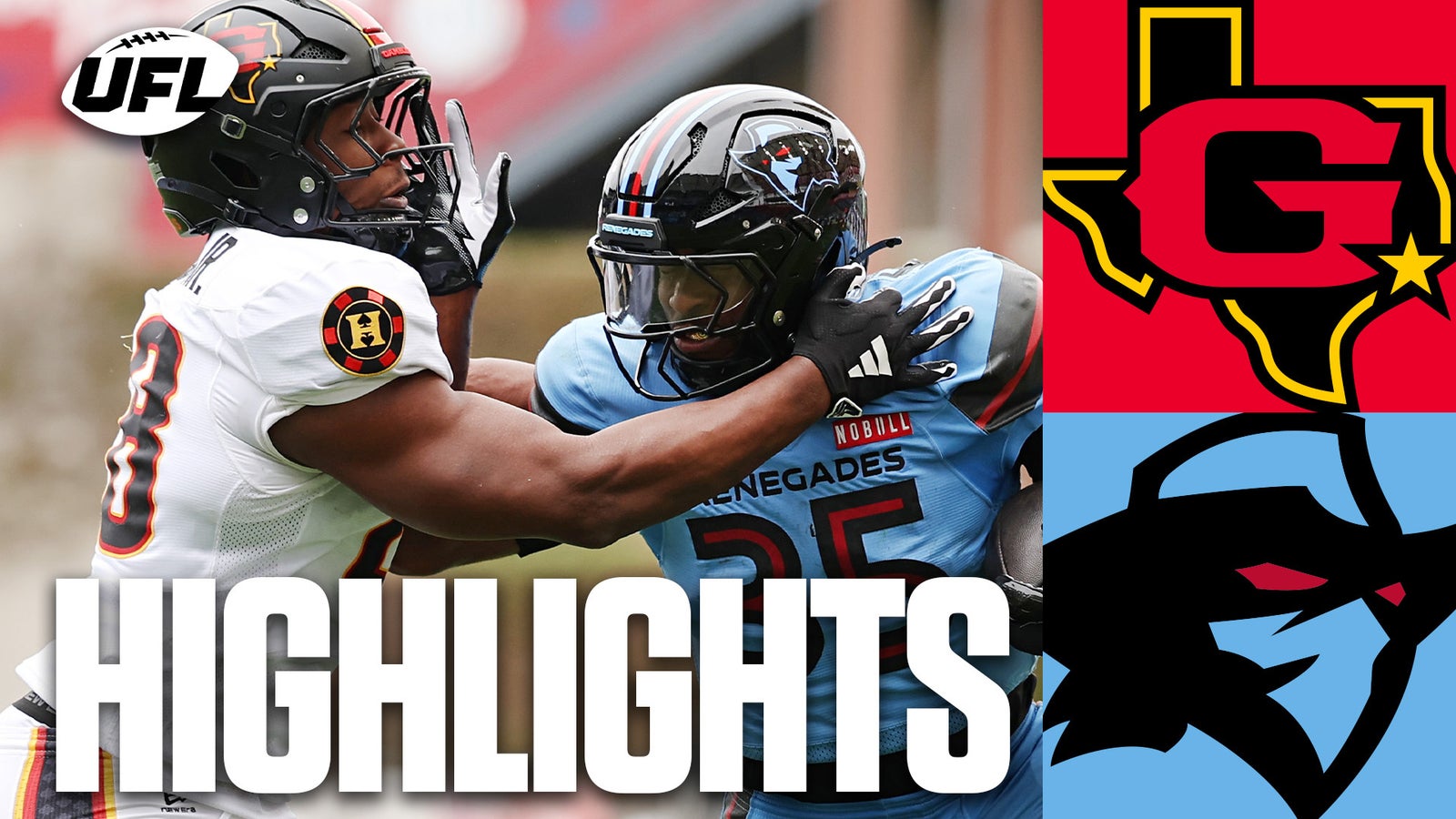
Key players: Renegades QB Austin Reed (26-for-40 for 376 yards, three touchdowns), WR Tyler Vaughns (7-for-9 for 144 yards, one touchdown, WR Greg Ward (3-for-3 for 93 yards, one touchdown); Gamblers QB Hunter Dekkers (19-for-29 for 227 yards), WR Jontre Kirklin (4-for-4 for 60 yards).
Game recap: The Renegades’ first drive ended with a missed field goal, but they turned things around quickly. Dallas picked off Gamblers QB Nolan Henderson at Houston’s 30-yard line, returning it for the first pick-six of the season. The Renegades turned the ball over on downs near midfield late in the frame, allowing the Gamblers to get a quick field goal to pull within three, 6-3, heading into the second quarter. The Gamblers’ second quarter was riddled with mistakes, while the Renegades came up with back-to-back scores and a field goal to make it a 23-3 game at halftime.
Coming out of the break, the Renegades picked up right where they left off. They scored on the first play from scrimmage of the second half; Reed found WR Greg Ward for a monster 66-yard touchdown to open the frame. (In a surprising move, Dallas revealed this week that Reed secured the starting job for Week 1, relegating longtime starter Luis Perez — who led the UFL in passing yards the past two seasons — to the bench.) With that, it was a 30-3 game, but that was short-lived. The Gamblers answered by running the ensuing kickoff back 93 yards for a touchdown. Dallas added two more field goals, and Houston scored a touchdown in the fourth quarter before things ended.
Up next: In Week 2, the Gamblers host the Stallions and the Renegades host the Battlehawks.
Key players: Storm QB Jack Plummer (17-for-22 for 245 yards, one touchdown), WR Elijhah Badger (4-for-4 for 132 yards), K Michael Lantz (1-for-1 from 55 yards); Aviators QB Jalan McClendon (21-for-32 for 212 yards), RB Zaquandre White (48 yards, one touchdown).
Game recap: The Aviators fumbled the opening kickoff, leading to a quick scoring opportunity for the Storm. With that, it was a 6-0 game after just over a minute into things. Columbus added two first-quarter field goals to tie the game headed into the second quarter. After a field goal from the Storm, the home team took a 9-6 lead into halftime.
Orlando came out swinging in the second half, starting with back-to-back third-quarter touchdowns to make it a 23-6 game. The Aviators added a field goal early in the fourth quarter, followed by a touchdown midway through the frame to keep things competitive, 23-16. However, it wasn’t enough to spark a comeback, and things ended there.
Up next: In Week 2, the Aviators host the Defenders and the Storm host the Kings.
As the final seconds melted away in Sunday evening’s Elite Eight showdown between No. 2 UConn and top-seeded Duke, it began to feel like the frantic comeback orchestrated by the Huskies, who trailed the Blue Devils by 19 in the waning moments of the first half, would fall mercilessly short.
But then, as if pulled from a fairytale ending nobody saw coming, an attempted jump pass by Duke guard Cayden Boozer was tipped near midcourt and recouped by counterpart Braylon Mullins from the Huskies. Mullins dished to forward Alex Karaban along the right wing with the clock evaporating. Karaban flipped it back to Mullins, the true freshman sharpshooter who’d missed seemingly everything he launched for the first 39 minutes against Duke. Now, Mullins had no choice. He hoisted from several feet beyond the logo.
With the ball still in flight, Mullins began backpedaling as his desperation heave arced beautifully, poetically, parabolically toward the hoop. And when it swished softly through the net with 0.4 seconds remaining — thrusting the Huskies in front for an improbable 73-72 win that ranks among the greatest comebacks and moments in program history — Mullins was already beyond midcourt, closer to the despair and desolation being exhaled by Duke than the riot that exploded along the UConn bench.
Just like that, the Huskies were heading to the Final Four for the third time in four years. Just like that, UConn had authored an all-time NCAA Tournament moment.
Here are my takeaways from the Elite Eight:
1. Pursuit of history continues for UConn under Dan Hurley
Braylon Mullins of the UConn Huskies celebrates after making a game-winning 3-pointer against Duke. (Photo by Emilee Chinn/Getty Images)
[MEN’S BRACKET: NCAA Tournament Bracket, Leaders & Stats]
After UConn won back-to-back national championships in 2023 and 2024, which moved the Huskies into a tie with North Carolina for the third-most titles in college basketball history (six), the long and arduous quest for a three-peat fizzled almost from the start.
By late November of last season, Hurley’s team had already lost three consecutive games at the Maui Invitational, where his sideline antics became a national storyline. By late February, the Huskies were 10-6 in Big East play, trailing St. John’s and Creighton in the conference’s pecking order. By mid-March, they’d flamed out of the Big East Tournament with a loss to the Bluejays in the semifinals. And by the Round of 32, only a few days after the Big Dance began, UConn fell to No. 1 seed Florida, who went on to win the whole thing.
Facing an offseason heavy with introspection, Hurley responded the only way he knew how: rebuilding and retooling the Huskies into a better version than what they put on the floor last season. He added a high-level transfer guard in Silas Demary Jr. from Georgia. He signed two instant-impact freshmen in Mullins and Eric Reibe, both of whom were McDonald’s All-Americans. He dared veterans like Karaban, guard Solo Ball and center Tarris Reed Jr. to become the dominant forces their predecessors had been when UConn cruised to consecutive titles. He plucked a well-respected assistant coach from Villanova in Mike Nardi.
At first, the pieces all seemed to fit together beautifully. The Huskies opened by winning 22 of their first 23 games despite injuries to Reed and Mullins. The first and only team to beat UConn before February arrived was Arizona, which will join the Huskies in Indianapolis.
But Hurley’s team suffered four defeats in the span of five weeks to choke away both the Big East regular season title and any chance of winning the Big East Tournament, both of which were claimed by St. John’s. When the Huskies were revealed as a 2-seed on Selection Sunday, it was easy to doubt their chances of making another lengthy run. Nothing about the preceding few weeks suggested more March magic would happen — until, of course, it did.
UConn began by beating No. 15 Furman and No. 7 UCLA to reach the second weekend. Then, Hurley’s team fended off No. 3 Michigan State in a Sweet 16 brawl between two of the toughest programs in the country. Simply reaching the Elite Eight felt like an accomplishment for a team that never quite regained its early-season form. The 19-point deficit in the first half against Duke on Sunday seemed to finally mark the beginning of an unsightly end, especially when considering that 1-seeds entered the day 134-0 in games they lead by 15 or more points at halftime.
“I just thought to start the game we were a little bit on our heels,” Hurley said at the postgame news conference. “I thought we were too defensive defensively. We didn’t get after them and try to pressure them or make them uncomfortable. I just think that we probably gave a little bit too much respect to their individual players.”
History, however, didn’t account for an onslaught of 3-pointers in crunch time after the Huskies missed 18 of their first 19 from beyond the arc. Nor did it consider what might happen if Duke turned the ball six times in the final 9:58. And history certainly didn’t remember that UConn has been the sport’s most successful program over the last quarter-century, winning all six of its national titles since 1999 — one more than the Blue Devils possess in their entire trophy case.
All of which set the stage for Mullins to do what Mullins eventually did on Sunday night. And now UConn is still alive to chase its third championship in the last four years.
“That game was a reflection on the season,” Hurley said. “It’s been a season where we’ve dealt with injuries to key players at critical points of the year that we’ve had to overcome, and we’ve had to show a lot of fortitude and resilience and just kind of claw our way through the season. The game was a microcosm of that: We fought, we clawed, put ourselves in position to take advantage of a mistake that they made.
“And one of the most brilliant shooters you’ll ever see shoot a basketball made an incredible, legendary March shot.”
2. Michigan star Yaxel Lendeborg reaches new level in postseason
Yaxel Lendeborg #23 of the Michigan Wolverines reacts against the Tennessee Volunteers. (Photo by Gregory Shamus/Getty Images)
Michigan forward Yaxel Lendeborg was already entrenched as one of the best players in the country long before this year’s NCAA Tournament began. The high-profile transfer from UAB entered Sunday’s game averaging 14.9 points, 7.0 rebounds and 3.3 assists per game for a team that won the Big Ten regular season title by four games. He was named Player of the Year in the conference and also earned consensus first-team All-America honors. He is a surefire first-round pick in the upcoming NBA Draft.
So for Lendeborg to play well during the Wolverines’ dominant run to the Final Four, a journey that was crystalized with a 33-point blowout of No. 6 Tennessee on Sunday, should hardly be considered a surprise. And yet, the heights he’s reached amid these last four games soar above and beyond what he’s previously shown on the offensive end of the floor:
It marks just the second time all season that Lendeborg has posted at least four consecutive games with an offensive rating of 136 or higher, according to KenPom. Prior to his current tournament run, the only other time he accomplished that feat was during a six-game stretch in Michigan’s non-conference schedule from Nov. 4 to Dec. 6.
“This was obviously one of the goals because of the talent we had in our locker room,” Michigan head coach Dusty May said in his postgame news conference. “There’s a slippery slope of being happy and content that we’re there, but also knowing you still have work to do for us to accomplish what could be. Our ultimate goal is to be playing [next] Monday.”
To put this remarkable stretch in context, consider where Lendeborg’s offensive efficiency ranks on the national level. His individual rating of 154.5 since March 17 — the day that this year’s First Four began — is third in the country among players who logged at least 75 minutes since then, according to Torvik. Lendeborg trails Purdue guard C.J. Cox (155.5) and Nebraska guard Pryce Sandfort (155) in that category. There are only two other players whose offensive ratings even exceed 140 during the same time period.
What was already a tremendous season for Lendeborg is entering a new stratosphere.
3. Arizona will have one huge statistical advantage in the Final Four
Ivan Kharchenkov of the Arizona Wildcats reacts during the second half of a game against the Purdue Boilermakers. (Photo by Ezra Shaw/Getty Images)
There was something uniquely apropos about Arizona taking its first lead against No. 2 Purdue on Saturday night from the free-throw line, where guard Jaden Bradley made a pair with 14:34 remaining in the game, officially erasing his team’s seven-point halftime deficit. The Wildcats, who pulled away to win by 15, would never trail again.
All season, head coach Tommy Lloyd’s team has thrived by attacking the rim in an era defined largely by 3-point shooting. Arizona scores more than 56% of its points from inside the arc, according to KenPom, which ranks 14th nationally and first by a landslide among teams in the Final Four.
For Lloyd’s group, the natural byproduct of applying so much interior pressure is drawing fouls in large quantities, which translates to more free throws. Arizona shot 22 free throws against the Boilermakers, 39 against No. 4 Arkansas, 39 against No. 8 Utah State and 33 against No. 16 LIU. The end result? Ninety-nine points from the free-throw line across four games, compared to only 43 makes for the Wildcats’ opponents.
“When you offensive rebound, you get fouled,” Purdue head coach Matt Painter said in his postgame news conference. “When you’ve got quick guards that can beat you, you get fouled. Go look at their free throws. This is the fewest amount of free-throws they’ve shot in a game in the NCAA Tournament so far. They’ve just lived in the paint. That was our concern.”
It will be the concern of every team remaining in this year’s tournament, given how large the disparity is between Arizona and the rest of the field. Entering the Final Four, the Wildcats rank seventh nationally in free-throw rate, according to KenPom, which measures how often a team generates free throws. None of the other national semifinalists come close: Michigan is 100th, Illinois is 237th, UConn is 306th.
If Arizona succeeds in winning its first national championship since 1997, an uncanny ability to generate free throws will be among the biggest reasons why.
4. Illinois and Arizona showcase college basketball’s international expansion
David Mirkovic #0 of the Illinois Fighting Illini hugs Tomislav Ivisic #13 after a play against the Iowa Hawkeyes. (Photo by Kenneth Richmond/Getty Images)
In early February, Duke head coach Jon Scheyer granted me an interview for a series about what is, at least in terms of efficiency, the greatest offensive season in college basketball history. Teams across the country were scoring the ball easier, more frequently and in more ways than ever before, and I wanted to understand some of the rationale behind the ongoing explosion. One of the reasons Scheyer pointed out was improved roster building in an age when players are flooding the sport from every corner of the globe.
“I think you have the ability to build around your best players in a different way,” Scheyer told me. “The pool is bigger. Instead of just being able to take high school players, you can take basically anybody in college, European, now the G-League potentially. It’s a hell of an opportunity as a coach. And obviously everybody has their own way of doing it.”
Fast-forward to late March and the first two teams to qualify for this year’s Final Four — Illinois and Arizona — certainly have their own way of doing it. Both Lloyd and Illinois head coach Brad Underwood have stuffed their rosters with elite international talent that is ready and willing to trade lower-level professional experiences overseas for the chance to play collegiately in the United States.
Consider the Illini, whose second-, third-, fifth- and sixth-leading scorers — Andrej Stojakovic, David Mirkovic, Tomislav Ivisic and Zvonimir Ivisic — all hail from Europe. The connection between Illinois and international prospects has grown so strong that memes portraying Underwood in traditional Eastern European garb are commonly shared on social media, including by the coach himself:
Consider the Wildcats, whose fourth- and fifth-leading scorers — Ivan Kharchenkov and Motiejus Krivas — plus their most dynamic scorer off the bench — Anthony Dell’Orso — all came from outside the United States. Lloyd, now in his fifth season, learned the ins and outs of international recruiting during his two-decade stint as an assistant coach at Gonzaga.
“I think college basketball, in the last two years, is at the highest level of performance that I’ve witnessed in my 50 years,” St. John’s head coach Rick Pitino said before his team’s loss to No. 1 Duke in the Sweet 16. “That’s because the foreign influence, they no longer want to go to the EuroLeague or the EuroCup. They want to go to the [United] States because they make more money. We can even rival the EuroLeague as far as pay is concerned. The way the game is being played on the court is the best I’ve ever witnessed.”
4½. What’s next?
Here are a few storylines to watch as we move to the Final Four:
No. 1 Michigan vs. No. 1 Arizona — With all due respect to fans of UConn and Illinois, this semifinal matchup between 1-seeds can, and probably will, be viewed as a de facto national title game. No two teams were more dominant through the first four rounds of the NCAA Tournament. No two teams emerged from more dominant conferences to win their respective regular season titles. And no two teams are better positioned to battle in the low post than the Wildcats and Wolverines, who have the most fearsome front-court rotations in the country. This game should be an absolute classic.
No. 3 Illinois vs. No. 2 UConn — Thanks to the historic shot from Mullins, whose place in UConn history is now unquestionably secure, the Huskies will travel to the Final Four knowing they’ve already beaten their forthcoming opponent. UConn and Illinois met in a non-conference matchup at Madison Square Garden on Nov. 28, long before either team reached its peak postseason form. Hurley’s team prevailed rather comfortably, 74-61. Reed and Illinois star Keaton Wagler combined to score just five points in that game, which offers a window into how much has changed since then. The rematch in Indianapolis will come with many, many new layers.
It comes after Iran-backed Houthi rebels in Yemen joined the conflict by striking Israel over the weekend.
Source link
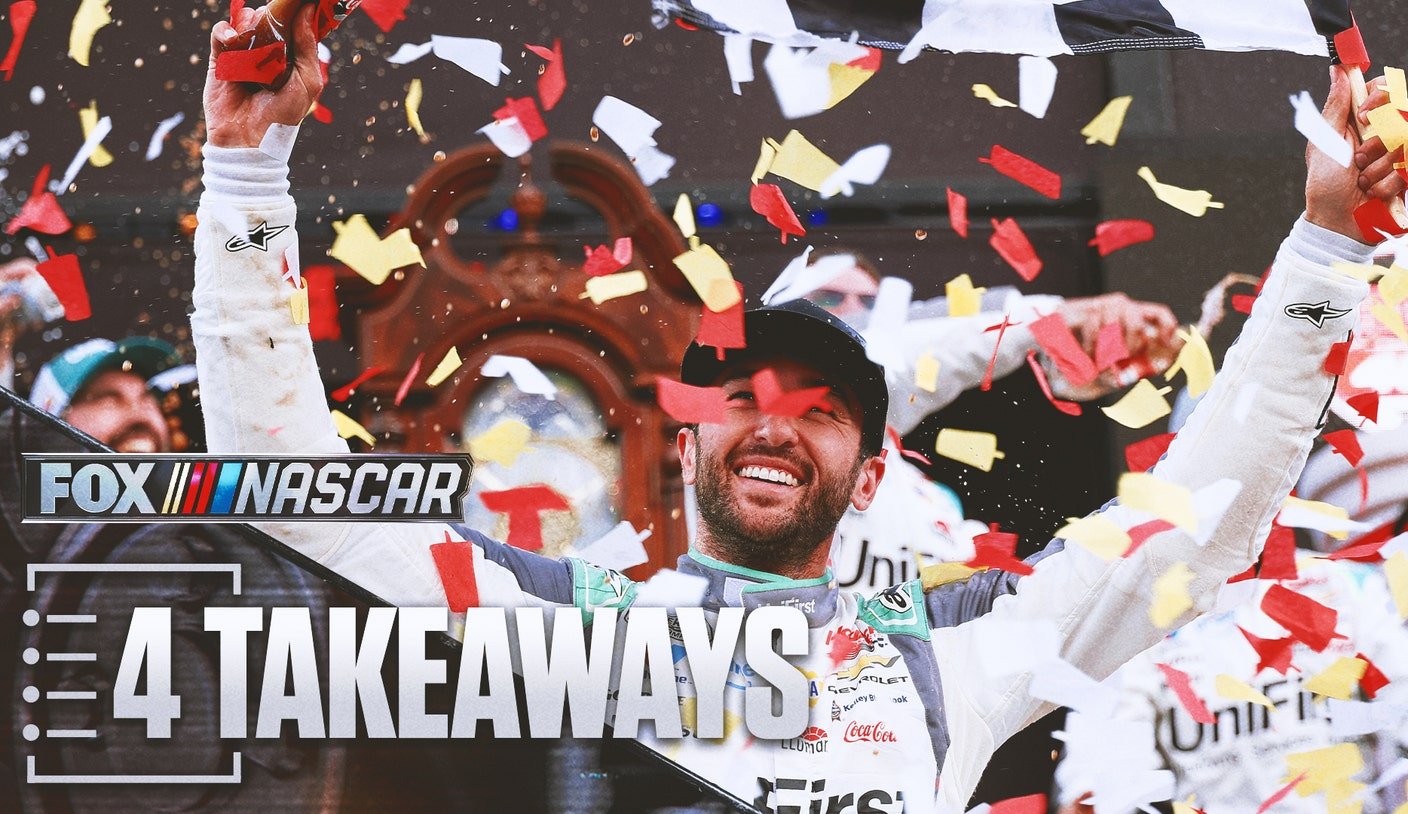
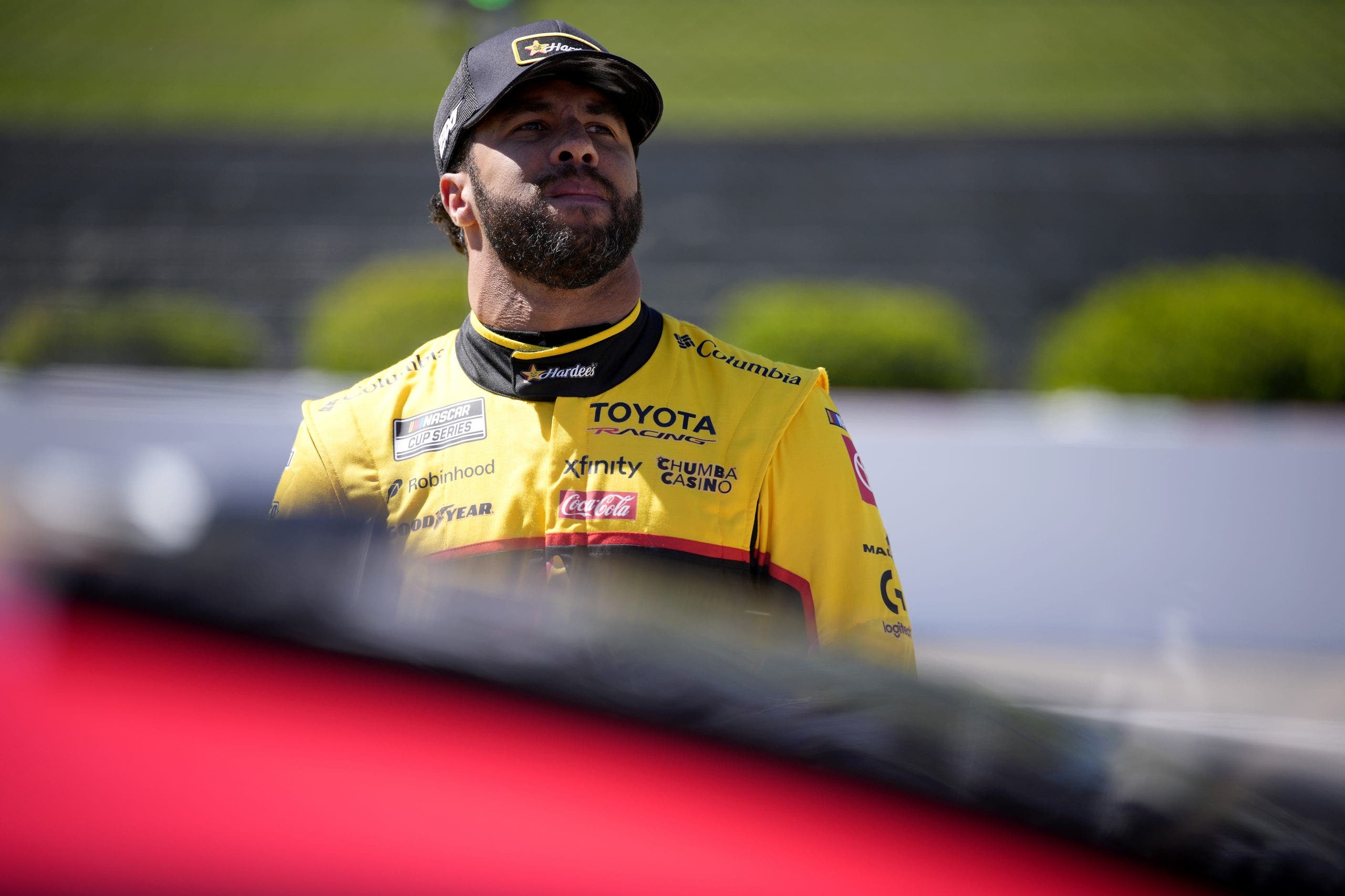
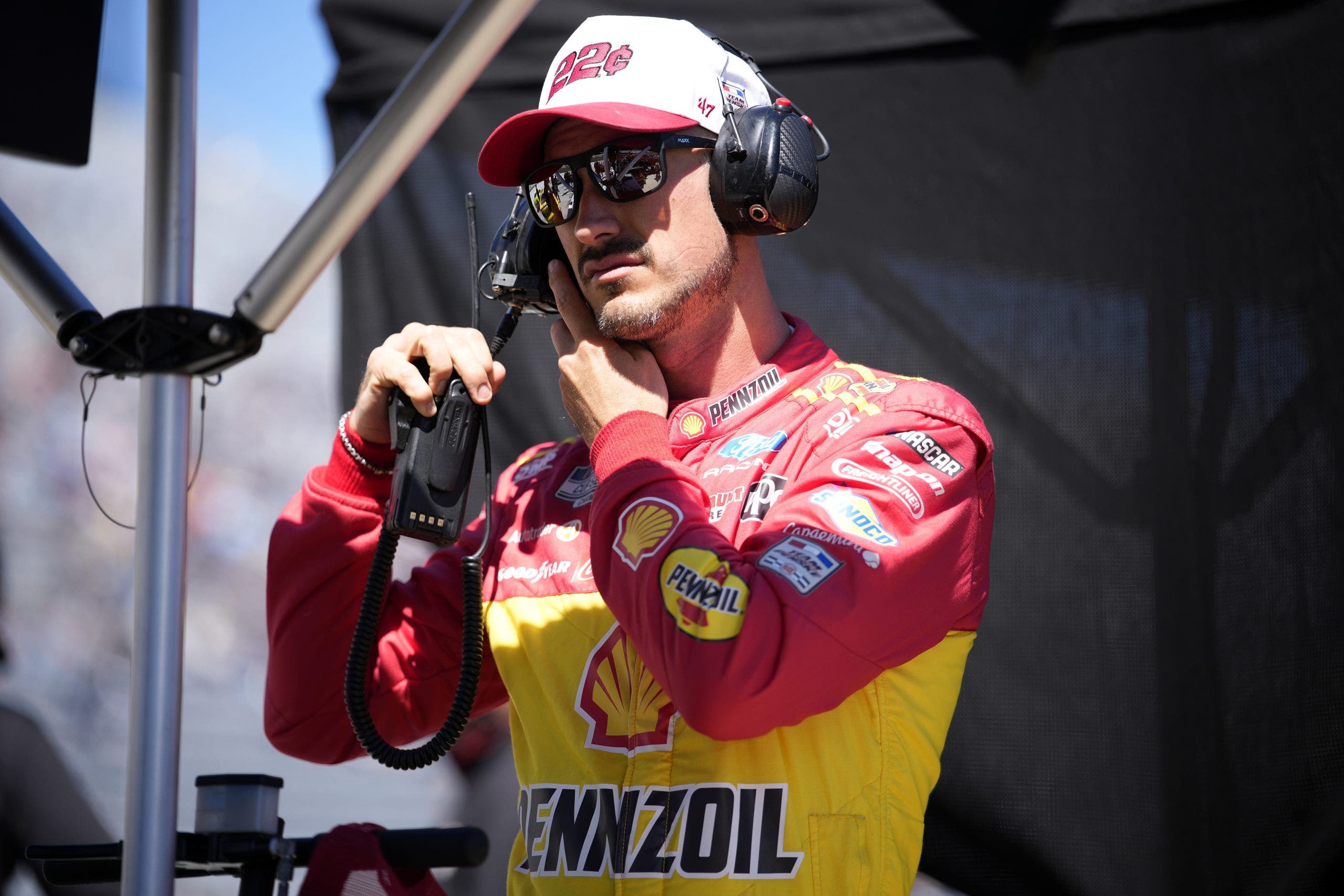
Chase Elliott and Denny Hamlin have had some notable Martinsville Speedway battles, but the one Sunday came down to pit strategy.
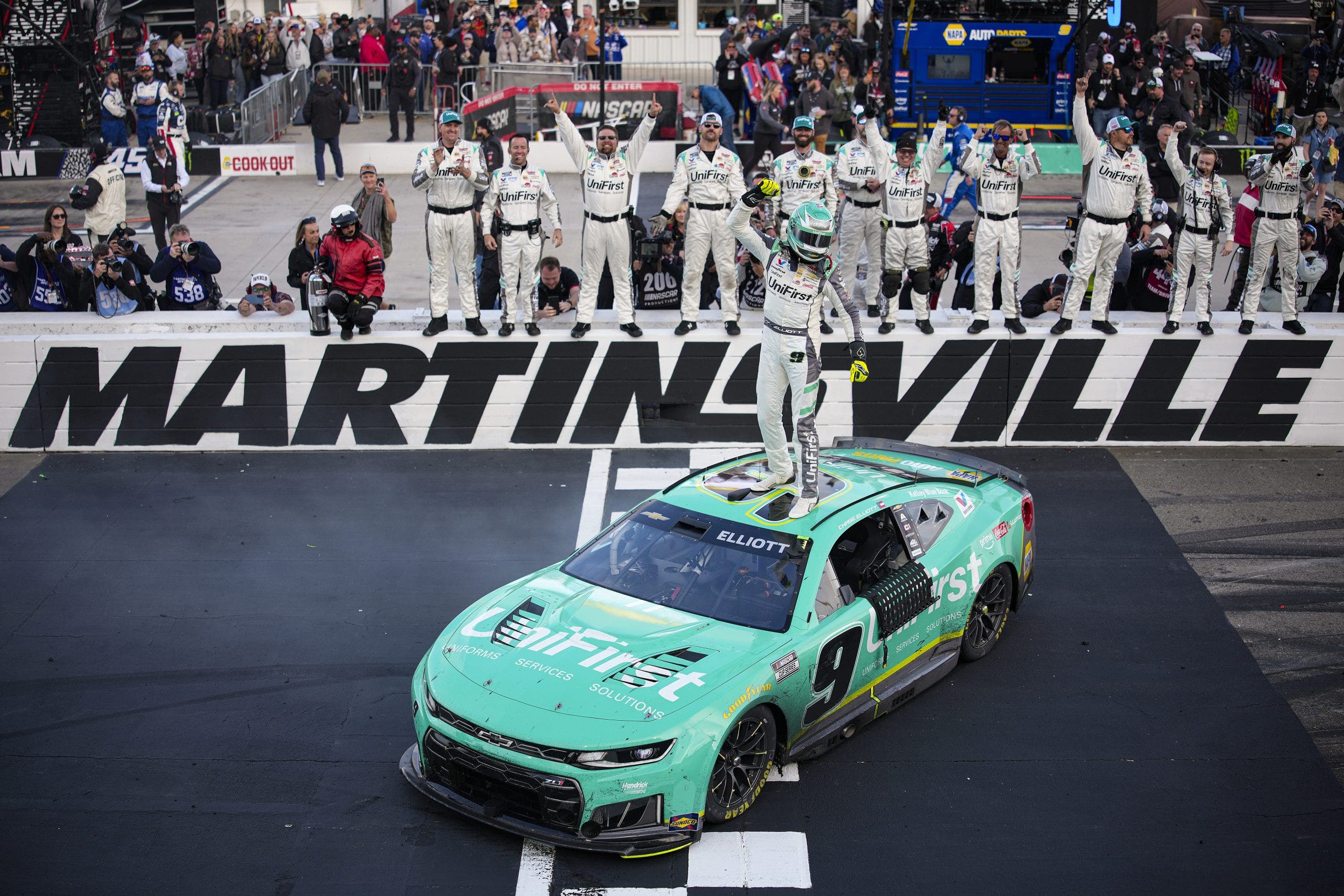
Elliott got track position by pitting earlier than most in the final stage and having the lead when the caution came out with 88 laps remaining. He then outlasted Hamlin, who had dominated the first 300 laps of the race, for the victory.
Back in 2017 at Martinsville, Hamlin spun Elliott in an incident that Elliott fans don’t let Hamlin forget. However, today, there were no fireworks or drama between the two. It was just Elliott with the stronger car at the end.
“How about that?” Elliott, the 2020 series champion and the sport’s most popular driver, said in his interview on the FS1 telecast. “That was awesome.”
Here are my takeaways:
1: Elliott Earns Needed HMS Win
Hendrick Motorsports badly needed a win after getting shut out in the first six races.
Just how uncommon is that? Hendrick had gotten a win in the first three races in each of the last five years.
So when Elliott won, it allowed the entire organization to breathe a sigh of relief.
“There are high expectations within our walls,” Hendrick vice chairman Jeff Gordon said on the FS1 telecast. “Rick [Hendrick] always talks about you build it from the inside. You can’t tear it down from the outside, you can tear it down from the inside.
“In these moments, I’ve been around long enough where I’ve seen us struggle. These guys, they know how to utilize their tools, stick together, work together, share information, get back to the basics. That’s what the discussions have been here recently.”
Chase Elliott scored his first win of the 2026 NASCAR season at Martinsville.
2: What Happened To Hamlin?
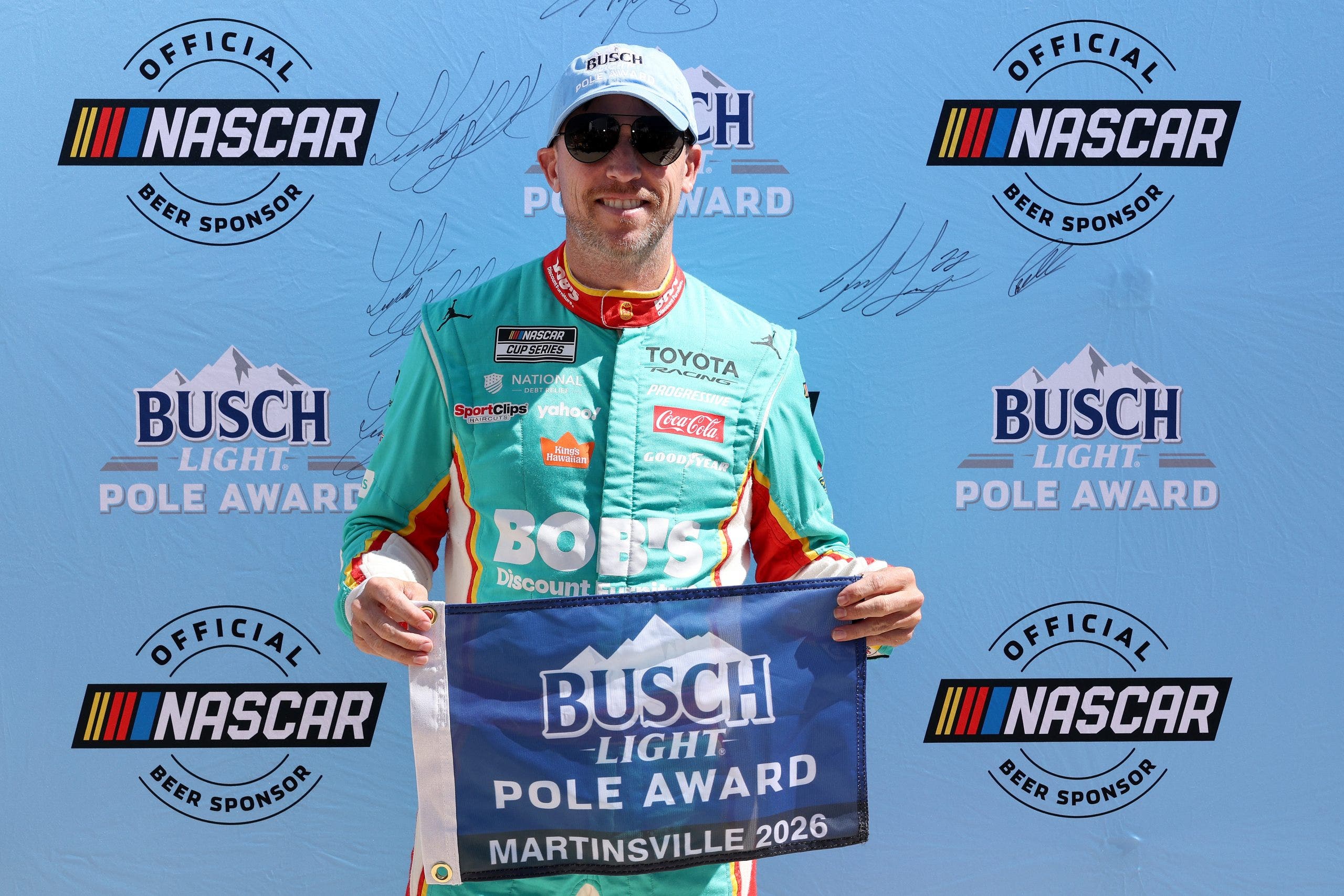
Hamlin sat on the pole and led 292 of the first 317 laps but couldn’t rally to catch Elliott over the final 69-lap green-flag run.
The Joe Gibbs Racing driver, a 61-time race winner, said in his FS1 interview after the race he believed one of his wheels might have been lose over the final run.
“Either way, these are just some of the races that get away from you in your career,” he said. “This one is certainly one of them.”
Martinsville pole-sitter Denny Hamlin finished second on Sunday.
3: Wallace Frustrated
23XI Racing driver Bubba Wallace appeared to take out frustration on Spire Motorsports driver Carson Hocevar in turning him and causing a multicar wreck with 76 laps left in the race.
Wallace, in his FS1 interview, said he was frustrated with Hocevar for making it three-wide earlier, but he just misjudged the corner. Hocevar’s team, on its in-car radio, indicated Wallace was frustrated and just dumped Hocevar, who won’t be getting any benefit of the doubt after a start to his career where many view him as being overly aggressive.
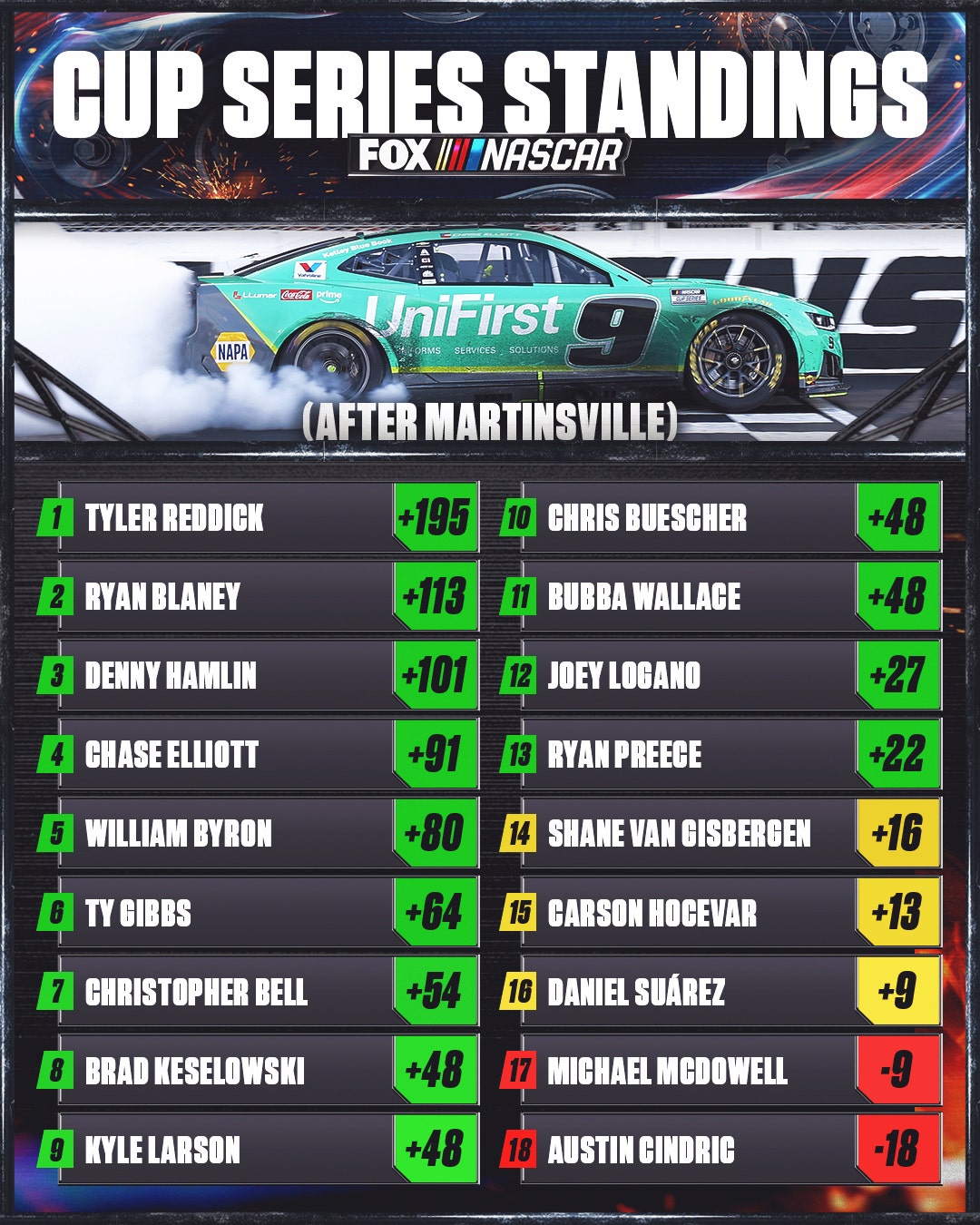
“We can win Saturday in practice, just don’t show up on Sunday,” said Wallace, who dropped from third to 11th in the standings. “I hate it for our team. Just frustration.”
Bubba Wallace indicated he was disappointed with how he ran at Martinsville.
4: Nice Logano Rebound
Joey Logano rebounded from an awful 33rd-place finish at Darlington to finish third at Martinsville.
A three-time Cup champion, Logano knows that there will be occasional bad days.
“Weekends like last weekend you start to question everything,” he said in his FS1 interview. “Nice to have a good rebound, solid car.”
Joey Logano’s third-place finish on Sunday was a solid rebound from his performance at Darlington.
4 ½: What’s Next
The Cup Series gets one of its two weekends off as it takes a break for the Easter weekend.
There is still some NASCAR national series racing next weekend. The truck race Friday at Rockingham Speedway and the O’Reilly Series races Saturday at the 1.016-mile oval.
The Cup teams better rest up. After next weekend, they have 16 consecutive weekends of racing.
Baseball is back, and it looks very different in a few key ways.
The way the game is being umpired has drastically changed, while other young stars made a big impact in their debut weekends. Elsewhere, though, a lot has remained the same (the Dodgers are still very good).
Here are our takeaways:
Deesha Thosar: Through the first slate of games, we’ve seen the debut of the Automatic Balls and Strikes (ABS) challenge system bring improved accuracy to MLB.
CB Bucknor is a 27-year veteran umpire, but his strike zone was exposed half a dozen times in the Reds’ win over the Red Sox on Saturday. Bucknor had eight calls challenged and a whopping six overturned. No ABS challenge was more electric than Cincinnati slugger Eugenio Suarez’s with two outs and the bases loaded in the sixth inning. Bucknor called a strike three to end the inning, Suarez challenged, the replay showed the pitch was below the zone, the call was overturned, and the at-bat was kept alive. The home crowd in Cincinnati roared in approval. Fans are loving the robot umps.
According to Baseball Savant’s new ABS Dashboard, so far, catchers have had a larger success rate (61%) than hitters (46%) in getting calls overturned. Overall, 54% of challenged calls have been overturned. Already, we’ve seen that some have a better understanding of the strike zone than others. Royals catcher Salvador Perez, a 15-year veteran, went 3-for-3 in helmet taps in the Braves’ 6-0 win on Friday. The Marlins, meanwhile, went 0-for-3.
Questions persist about when to challenge balls and strikes, particularly if it’s a wasted bullet in non-leverage situations. In the fifth inning of Sunday’s Pirates-Mets game, Pittsburgh’s leadoff hitter, Oneil Cruz, challenged a 1-1 called strike from starter Nolan McLean that was upheld after replay review. With only two challenges permitted per team per game, ABS strategies may need to evolve throughout the season to limit more consequential missed calls late in games.
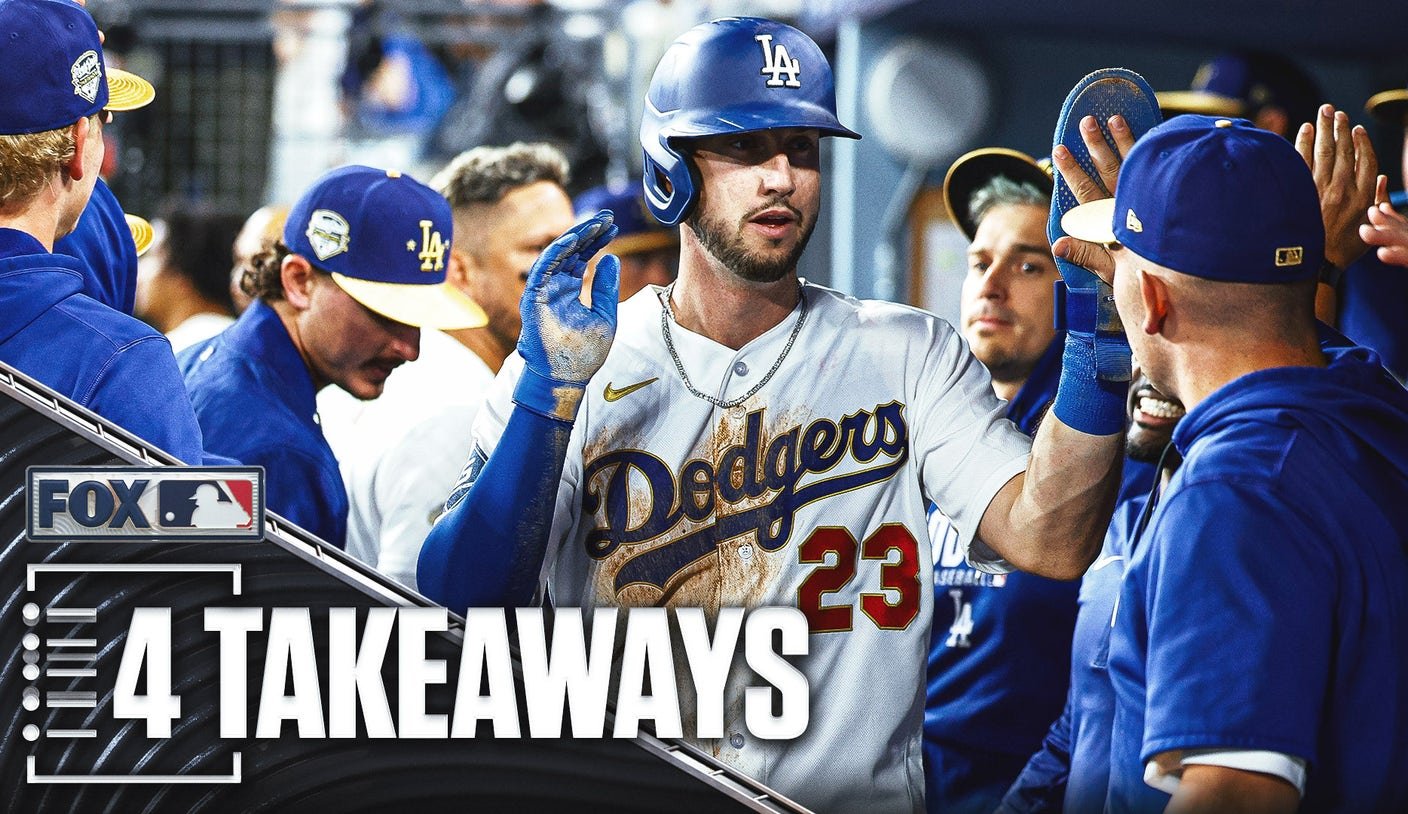
Thosar: It was bad news for opposing teams that vainly hoped the Dodgers would stumble out of the gate in their quest for the three-peat. Catcher Will Smith, celebrating his 31st birthday, crushed a go-ahead two-run home run on Saturday and lifted the Dodgers to an opening-week three-game sweep over the Diamondbacks.
The previous night, outfielder Kyle Tucker delivered a go-ahead single in the eighth inning for the Dodgers. Los Angeles trailed Arizona multiple times throughout the series, but the pitching staff kept games close enough to let the offense claw back and win every time.
The Yankees, too, performed like everyone expected in a three-game sweep over the Giants. After going 0-for-5 on Opening Day, Aaron Judge bounced back and hit a home run in each of the next two games. New York’s rotation was dominant, with Max Fried and Cam Schlittler combining to throw 11 2/3 scoreless innings to begin the season.
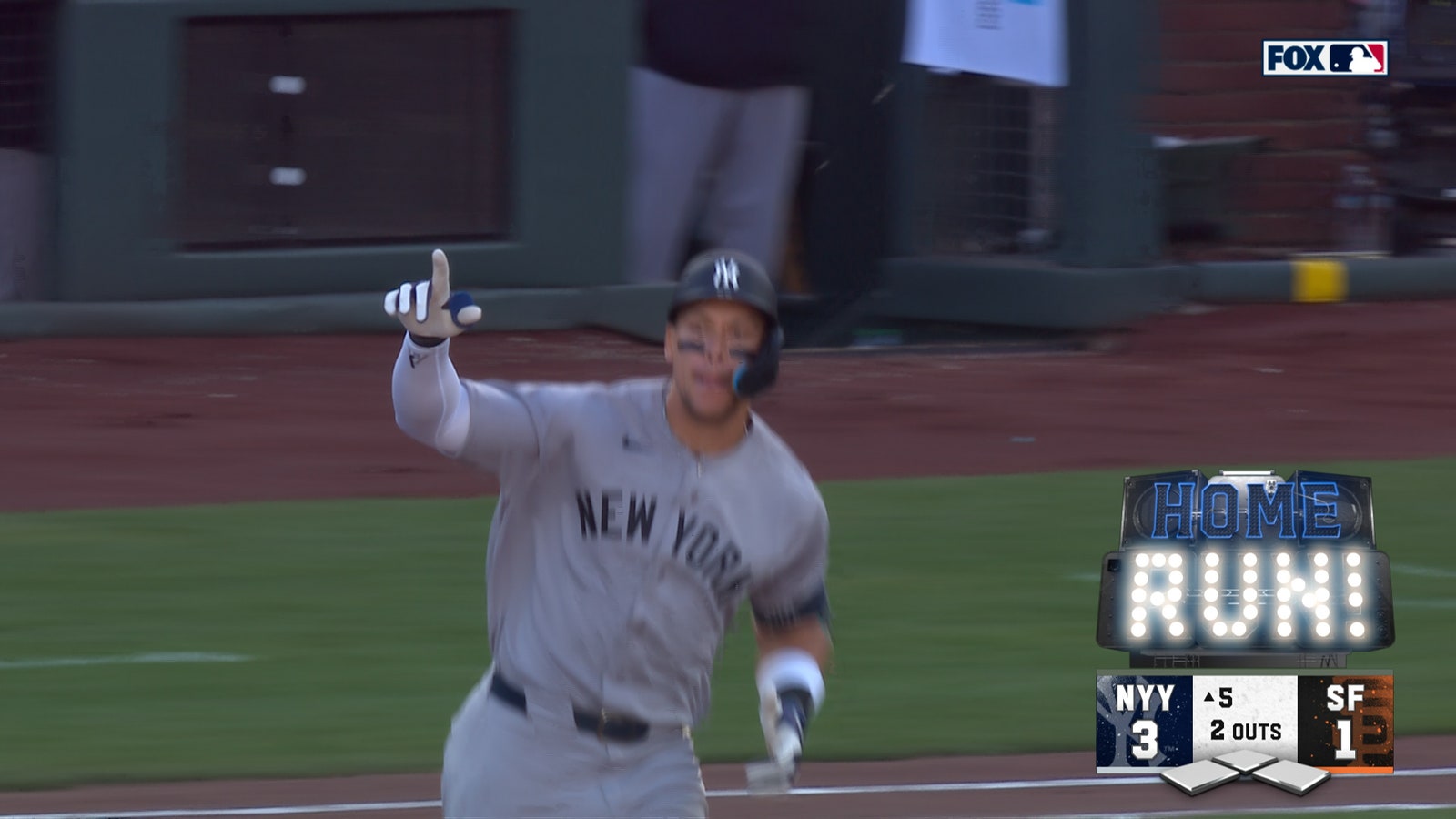
Elsewhere in the American League East, the Blue Jays also swept the Athletics to open the season 3-0. Japanese third baseman Kazuma Okamoto swatted his first major-league home run on Sunday, putting a bow on a successful MLB debut weekend in Toronto.
Alas, not all the heavyweights in the league saw their plans come to fruition. This wasn’t the start to the season the Mariners envisioned after closer Andres Munoz served up a 10th-inning two-run home run to the Guardians’ red-hot rookie, outfielder Chase DeLauter, on Saturday. It wasn’t all on Muñoz, though. Seattle’s offense went 2-for-14 with runners in scoring position and left 11 men on base in that 6-5 loss to Cleveland.
The Phillies, too, have struggled to begin the year. They lost their season-opening series against the Texas Rangers, with a pair of ugly defeats on Saturday and Sunday that elicited boos from the Philly home crowd.
The Phillies’ offense was disappointing, and the defense was sloppy. They were no-hit through 4 2/3 innings in Saturday’s 10-inning loss, only to be no-hit again through five innings in Sunday’s loss. Texas gave the Phillies a handful of chances via free passes to bring runs home, but the offense fell flat. The Phillies are 1-2 to begin the season in a tough NL East, where the Mets and Braves both won their respective matchups.
Rowan Kavner: From 25-year-old Bobby Witt Jr. to 24-year-old Elly De La Cruz to 23-year-old Paul Skenes to 22-year-olds Jackson Merrill and Jackson Chourio, the game is already loaded with young talent.
But there’s plenty of room for more.
Before this weekend, Boston shortstop Trevor Story was the only player in MLB history to hit four home runs in his first three career regular-season games. Now, add DeLauter to the list.
DeLauter, Cardinals outfielder JJ Wetherholt, Mets outfielder Carson Benge and former NPB star slugger turned White Sox first baseman Munetaka Murakami all homered in their MLB regular-season debuts this week, and the standout performances from some of the game’s most promising players did not stop there.
Tigers top prospect Kevin McGonigle ripped the first-ever big-league pitch he saw for a two-run double as part of a four-hit day in his MLB debut, joining Billy Bean as the only two players in Detroit history to collect four hits in their first-ever game.
The next night, McGonigle broke a tie game in the eighth inning with a two-run knock to help lift Detroit to a win. Then, on Saturday, Wetherholt walked the Cardinals off with a win while DeLauter launched his fourth home run of the year on an opposite-field shot to stun the Mariners in extras. On Sunday, Murakami added his third home run in his third career game.
Across the league, MLB rookies entered Sunday with a combined OPS over 1.000. Surely, ebbs and flows will come, but it was an auspicious start for some of the game’s top young talents and for teams like the Tigers and Guardians who were counting on a prospect to spark their offense this season.
Kavner: A lot is riding on Dylan Cease being the pitcher the Blue Jays envisioned when they lavished him with their largest free-agent deal in team history, especially with Shane Bieber, Jose Berrios and 2025 breakout star Trey Yesavage beginning the year on the injured list.
Only time will tell the worthiness of the $210 million contract bestowed upon Cease, whose results have fluctuated mightily the last few years (2.20 ERA in 2022, 4.58 ERA in 2023, 3.47 ERA in 2024, 4.55 ERA in 2025), but he passed his first test with flying colors. Cease looked like one of the best pitchers in baseball in his Blue Jays debut on Saturday, striking out 12 batters — the most ever by a pitcher in a Blue Jays debut — while allowing just one run in 5 1/3 innings.
Dylan Cease looked like the ace that Toronto paid for in his Blue Jays debut. (Mark Blinch/Getty Images)
And that was just one example of a promising weekend across the board for Toronto’s shorthanded rotation.
Cease’s performance came a day after right-hander Kevin Gausman struck out 11 Athletics in the Blue Jays’ opener on Friday, making Gausman and Cease the first set of teammates in MLB’s modern era to each record at least 11 strikeouts in a team’s first two games of a season. It didn’t stop there, either, as lefty Eric Lauer followed on Sunday with nine strikeouts as the Blue Jays swept the A’s in Toronto.
By weekend’s end, Toronto’s pitching staff had celebrated the Blue Jays’ 50th anniversary season by striking out 50 batters, setting an MLB record for the first three games of a season.
There is little prospect of VAR being removed from the Premier League, or having its remit reduced.
In 2024, 19 out of 20 top-flight clubs voted to keep VAR, with only Wolves voting against, having proposed the poll themselves.
In order for VAR to be scrapped, 14 out of the 20 Premier League clubs would have to vote against it following a new proposal for abolition by a club.
The independent key match incident (KMI) review panel estimates there has been an accuracy rate of 96-97% for refereeing decisions made in Premier League matches since the introduction of VAR, while time delays caused by VAR have dropped by 25% in the past two seasons.
This year an FA Cup tie between Aston Villa and Newcastle United, which did not have VAR, featured three significant refereeing errors, leading it to being labelled the best advert yet for the technology.
The Premier League said: “VAR delivers more correct decisions.
“In recent seasons, there have been around 100 correct VAR overturns per season – instances where goals would otherwise have been incorrectly awarded or disallowed, or red cards or penalties missed or wrongly given.
“The league applies a high threshold for VAR intervention, with the referee’s call taking precedence. As a result, VAR is less intrusive in the Premier League than in other European leagues, including the Champions League, where VAR intervenes almost twice as often.”
But the FSA believes the results of its survey should be listened to and acted upon.
“Supporters naturally raise their concerns and they fall on deaf ears far too much,” Concannon says.
“That’s really disappointing, especially when all we hear is that the fans are the lifeblood of the game.
“Don’t just ignore what supporters are telling you in great numbers – that the enjoyment of football isn’t there any more in comparison to what it used to be.”
The City regulator will outline how millions of people can claim compensation for mis-sold car finance.
Source link
Sir Andrew McFarlane welcomes the government backing for the change, saying it will turn the old approach “on its head”.
Source link