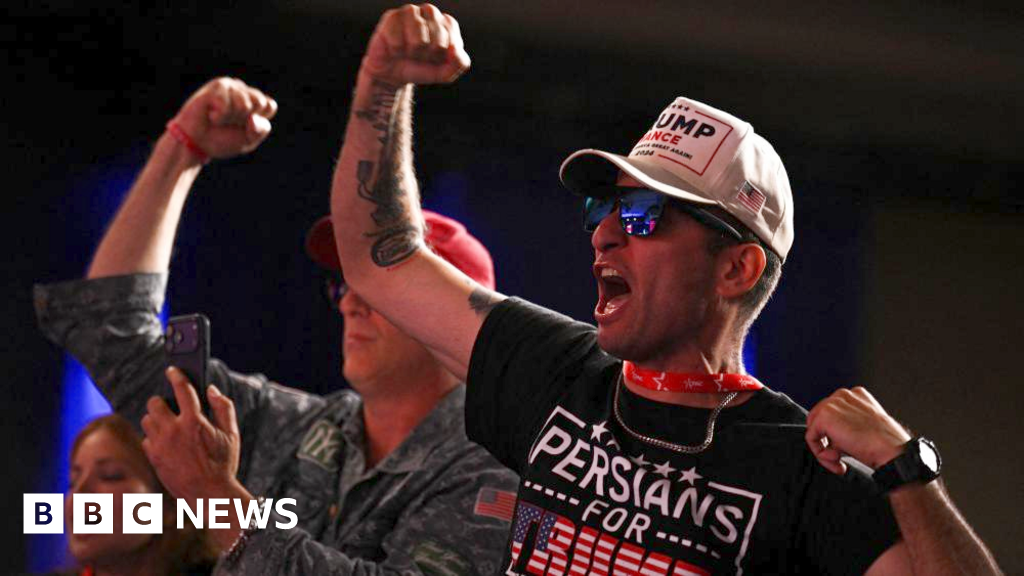

Iran war splits older and younger conservatives – as pressure builds for Trump to find exit ramp
More than a thousand miles from Washington, the conflict was a dominant topic of conversation at CPAC.
Source link
More than a thousand miles from Washington, the conflict was a dominant topic of conversation at CPAC.
Source link
A version of this article first appeared in CNBC’s Inside Wealth newsletter with Robert Frank, a weekly guide to the high net worth investor and consumer. Sign up to receive future editions, straight to your inbox.
The Iran war has shaken Dubai’s status as a global wealth hub, as legions of expatriates scramble to escape and family offices and wealth managers reconsider their Middle East footprint.
For the past decade, Dubai has successfully marketed itself as a safe haven for the global elite. Attracted by the sun, safety and tax-free income, Dubai’s millionaire population has doubled since 2014 to more than 81,000, according to Henley & Partners. Dubai’s luxury real-estate market has grown for five straight years, with 500 properties selling last year for more than $10 million — up from just 30 in 2020.
Now, however, Dubai’s reputation for safety has been shattered.
Over the past week, Dubai’s five-star Fairmont The Palm Hotel, on its famed man-made, palm-shaped archipelago, was struck by an explosion. Debris from a downed Iranian drone set fire to Burj Al Arab hotel, and the Dubai airport was damaged by a missile strike. On Tuesday, the U.S. Consulate in Dubai was targeted by a suspected drone strike that caused a fire nearby.
“The U.S.-Israel war on Iran is upending that crucial aura of security in Dubai,” said Jim Krane, a fellow at Rice University’s Baker Institute. “Dubai’s economic model is based on expatriate residents providing the brains, brawn and investment capital. You need stability and security to bring in smart foreigners.”
Dubai and the United Arab Emirates sought to quickly reassure investors. The UAE’s National Emergency Crisis and Disasters Management Authority announced Saturday that the situation was “under control.” Dubai’s police force this week threatened to arrest and jail social media influencers who share social content that “contradicts official announcements or that may cause social panic.”
Other wealth hubs in the region — including Abu Dhabi, Doha and Riyadh — are also caught in the fallout of the war. And like Dubai, they’ve made attracting the wealthy a key economic policy. Yet Dubai’s ascendance and dependence on wealth capital stand out in the region. Kane said that’s because Dubai no longer relies on oil revenue like its neighbors do, instead banking on the confidence of foreigners.
“The city cannot function if everyone with a foreign passport flees,” he said. “Dubai will literally shut down. Dubai is more exposed to the risks of an expat exodus.”
Dubai is now home to 237 centimillionaires — those worth $100 million or more — and at least 20 billionaires, according to Henley & Partners. An estimated 9,800 millionaires moved to Dubai in 2025, bringing $63 billion in wealth — more than any other country in the world, according to Henley. Most of Dubai’s wealthy are arriving from the U.K., China, India, and other parts of Europe and Asia. With the ruling Maktoum family starting to diversify the economy away from oil decades ago, Dubai created special economic zones and golden visa programs to effectively industrialize wealth attraction as a national strategy.
Dubai has no personal income tax, no capital gains tax and no inheritance tax, making it ideal for the ultra wealthy and family offices. The Dubai International Finance Center, a special economic zone, reported in early January that the top 120 families in the economic zone managed more than $1.2 trillion combined. Last month, the DIFC said that it was home to 1,289 “family-related entities,” up 61% from a year ago.
For now, many wealthy families and wealthy professionals are focused on getting out. Charter companies report that demand for private jets far exceeds available seats and flights. Ameerh Naran, CEO of Vimana Private Jets, said Tuesday that the broker received more than 100 client inquiries overnight. He said he hasn’t seen such demand since the pandemic. A jet from Riyadh to Europe can cost up to $350,000, he said.
He added that the Dubai residents he spoke to are traveling for business meetings, not fleeing to safety.
“They don’t feel unsafe,” he said. “It’s pretty much life as normal was just a bit of extra noise in the background with all these missiles. But life has to go on. They need to travel.”
Dale Buckner, CEO of security firm Global Guardian and a former Green Beret, said the exodus shows no signs of slowing. By Tuesday morning, Buckner said, the firm had seven corporate clients including large finance and consulting firms looking to evacuate 1,000 to 3,000 employees.
“This looks very much like Ukraine,” he said.
“I think everyone has realized the Iranians are successfully targeting five-star hotels and airports at scale, and now they’re starting to shut down the oil infrastructure,” he said. “I do not believe anyone thought that was possible.”
Many companies and professionals in Dubai said the business case for staying remains strong. And they are careful not to cross the government at a time of crisis. Hasnain Malik, who leads emerging markets equity and geopolitics strategy at Dubai-based Tellimer, said hedge funds and family offices are mainly drawn to Dubai’s tax, regulatory and stable banking regimes. All those attributes remain in place, he said.
“Those reasons have not changed,” he said. “It is only in one aspect of the lifestyle driver, pristine security, that recent events have called into question.”
Henley & Partners, which helps the wealthy secure visas in other countries, said Dubai has always proven resilient in times of uncertainty. Dominic Volek, group head of private clients at Henley & Partners, said the attacks in Dubai are also a reminder of the importance of geographic hedging.
“Situations like this reinforce a core principle we often discuss with clients: the value of global optionality,” he said. “Internationally mobile families typically diversify their residence and citizenship exposure across multiple regions — including the Americas, Europe, the Middle East, and Asia — so they retain flexibility in the face of geopolitical uncertainty, wherever and whenever it may arise. These decisions are generally strategic and long-term in nature rather than reactions to short-term events.”
One sector that could feel longer-term pressure is Dubai’s real estate market. Dubai’s real estate prices have been surging for five years straight, boosted by its golden visa program that gives foreigners a 10-year renewable visa for buying a property of $550,000 or more. Last year a 47,200-square-foot penthouse at the new Bugatti Residences set a price record for Dubai and the UAE when it sold for 550 United Arab Emirates dirhams, or about $150 million.
Yet even before the Iran war, there were some signs that Dubai’s breakneck building spree, soaring prices and widespread speculation could start to cool. In September, UBS estimated that Dubai had the fifth-highest bubble risk of 21 major cities, ranking behind Zurich and Los Angeles. In the spring, Fitch Ratings predicted a correction in late 2025 and in 2026, with prices falling as much as 15%.
Fitch Ratings’ Anton Lopatin said the effect on real estate values will depend on the conflict’s scope and duration. For now, he said, expatriate departures could “put pressure” on Dubai’s housing market.
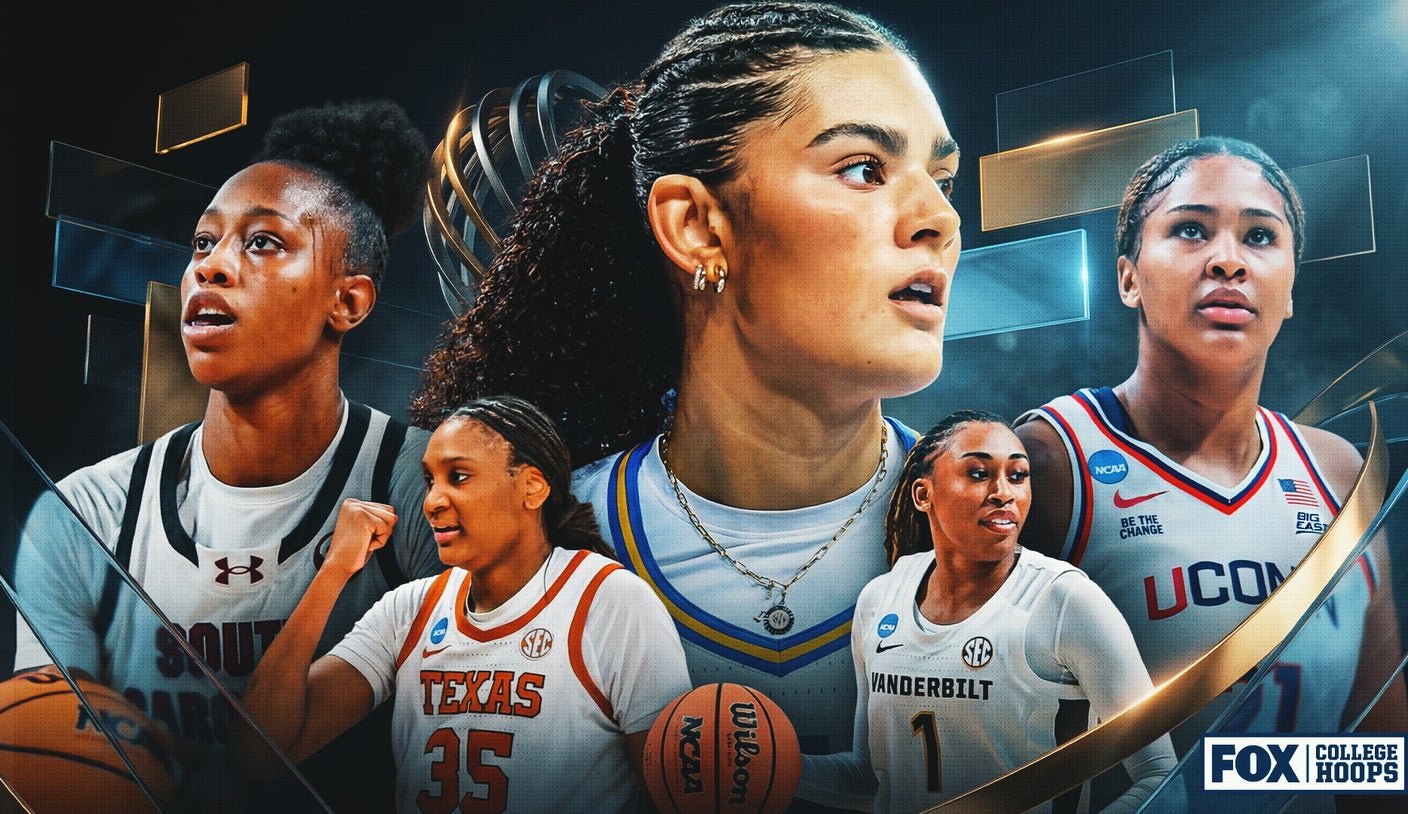
We are down to just 16 teams in the 2026 Women’s Basketball Tournament, and that means it’s time for the stars to show what they are capable of. Depth and role-players are important, but with the field narrowed to this point, it’s stars that will carry the day.
Here is the top player from each of the Sweet 16 teams, organized by seeding.
Kymora Johnson: The junior forward led the ACC in minutes (37.1) and assists (5.8), while also averaging over 10 points more per game than any of her teammates, at 19.5. She ranks sixth in the nation in 3-pointers, with 99, and even at just 5-foot-7 pulls down 4.5 rebounds per game. Johnson also played all 50 minutes of the double-overtime win over 2-seed Iowa that brought Virginia to the Sweet 16 – the Lady Hoos are here because of Johnson in more ways than one, and the first-ever First Four team to reach the Sweet 16 will need her to lead them beyond that point, too.
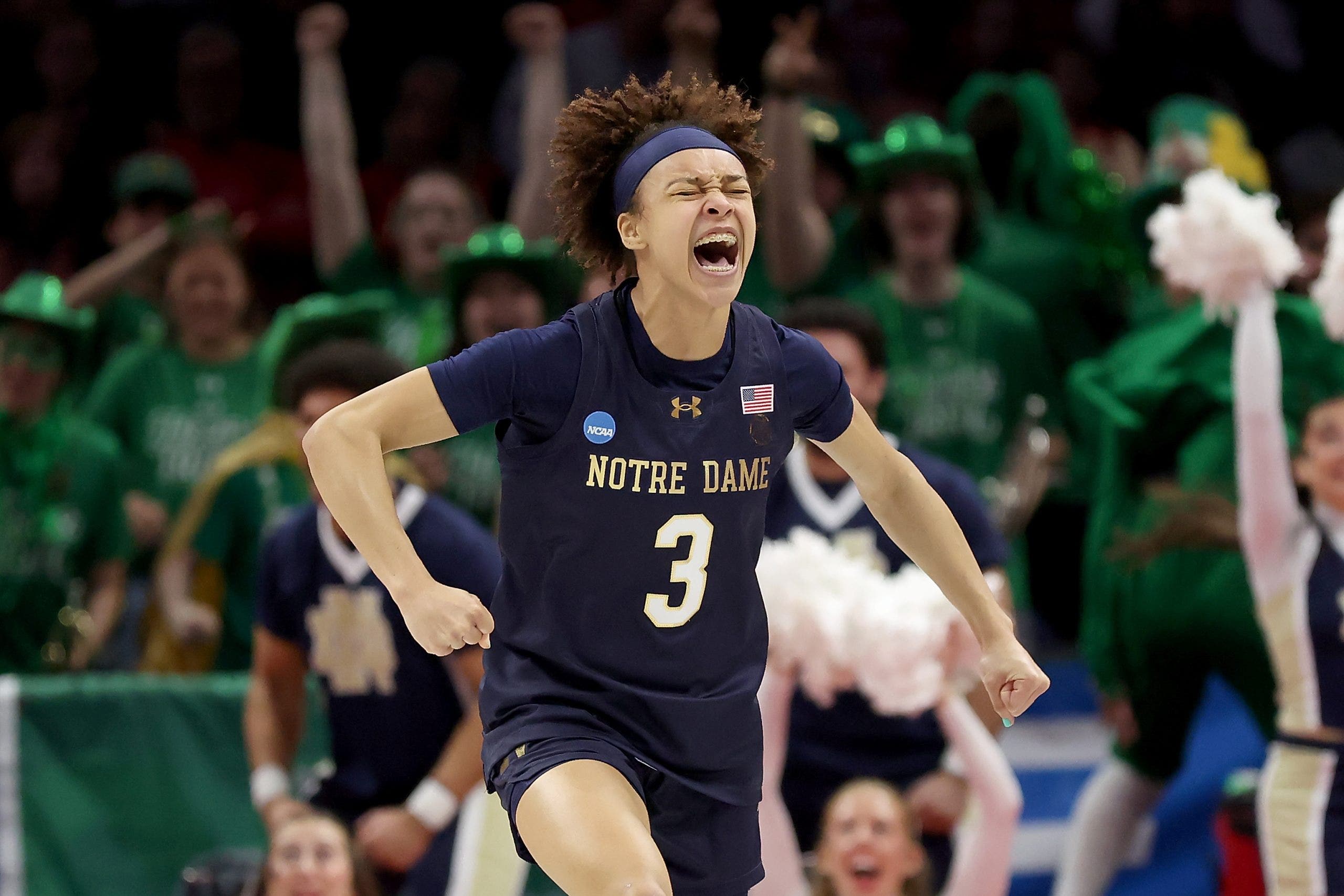
If you dribble near Hannah Hidalgo, odds are she is going to steal that basketball. (Photo by Kirk Irwin/Getty Images)
Hannah Hidalgo: Hannah Hidalgo might have lost Olivia Miles to the transfer portal and TCU and third-overall pick Sonia Citron to the WNBA before her junior season, but it just made the Fighting Irish even more her team. She scored a career-best 25.2 points per game to lead the ACC and finish third in the nation overall, while leading Division I by averaging 5.6 steals. Hidalgo isn’t effective from deep, but she slashes and drives, picking up plenty of fouls in the process, and knows when to dish, too, with 5.2 assists per game — that high-energy style also helped the 5-foot-6 guard to 6.7 rebounds per game, tied for the team-high. Among the players still in March Madness, Hidalgo is second in Player Efficiency Rating (PER) at an even 40.0.
Clara Strack: The 6-foot-5 center from Kentucky didn’t lead the SEC in any statistical category besides total blocks, but don’t let that fool you: the Wildcats are built around her excellence, and she delivers. Strack has averaged a double-double this season, with 16.9 points and 10.3 rebounds, and her 91 blocks put her just one shy of the NCAA lead. She spends a ton of time in the paint both shooting and rebounding, but Strack has shown an ability to hit from 3 before, as well — in the SEC tournament this year against Georgia, Strack went 5-for-7 from beyond the arc, the most 3s any SEC women’s player of her height or greater has ever sank in a single game.
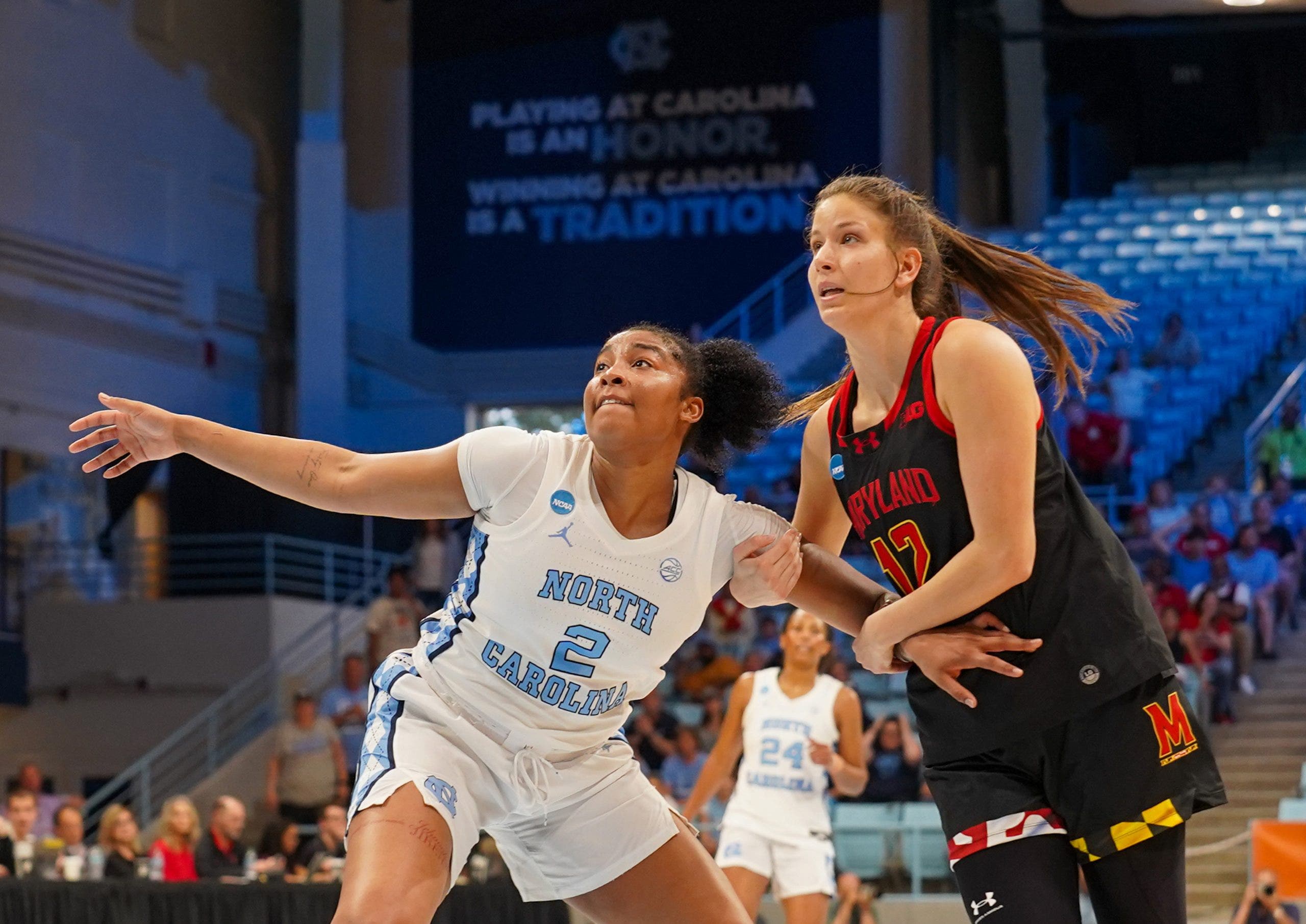
Expect to see more Nyla Harris against the difficult opponents remaining for UNC. (Photo by Alex Halloway/Getty Images)
Nyla Harris: UNC’s strength is more in its depth than in stars, but senior forward and Louisville transfer Nyla Harris is the best of the bunch. She led the Tar Heels in minutes, points per game (11.5) and rebounds (6.9), and despite that points stat not jumping off the page, the 6-foot-2 Harris also led the entire ACC in Offensive Rating, at 123.6 — remember, superstar Hannah Hidalgo is also in the conference. Harris has shot 58.2% for the season and averages 3.1 offensive rebounds per game: about the only thing keeping her numbers down is that she plays 23.4 minutes per game, but what that tells you is that she’s highly efficient in her time on the court. She’s also been averaging more minutes since conference play kicked off, with at least 30 minutes (and as many as 42) in 10 of her last 20 games: North Carolina ramps her playing time up when it has to, and for the rest of March Madness, it will have to.
Amaya Battle: It’s difficult to pick just one Minnesota Golden Gopher to feature, since they have five players averaging at least 11.1 points per game, all of which have between 3.0 and 7.5 rebounds and 1.1 and 3.6 assists per game, too. Senior guard Amaya Battle, though, is the team leader in both boards and dimes, and second among Minnesota starters in Defensive Rating, as well. And while she’s not the top scorer on the team, it was still Battle who got the chance to fire off the game-winning, last-second shot against Ole Miss in the round of 32.
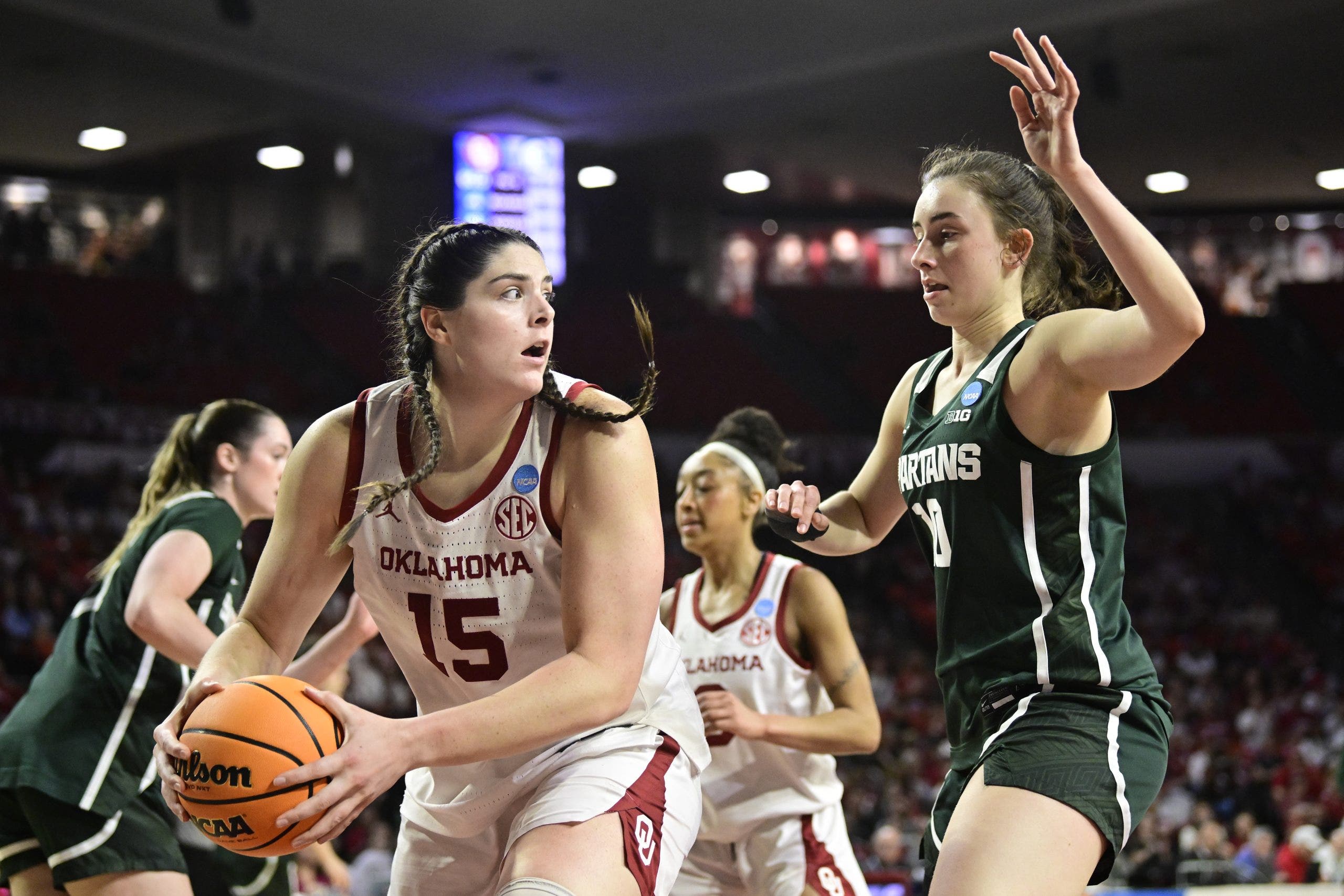
Beers’ size and strength makes her a difficult assignment in the paint. (Photo by Gerald Leong/NCAA Photos via Getty Images)
Raegan Beers: The 6-foot-2 senior forward led the SEC in FG% (61.7%), 2P% (66.5%) and effective FG% (62.5%). She averaged 15.8 points per game with 10.5 rebounds, 2.2 assists and a block, and while she averaged just 24.7 minutes per game, much of that was also managing rest — Raegan Beers exceeded her average with between 25 and 36 minutes in 15 of her 33 games. With an exception for a few games with foul trouble — Beers’ use of her size in the paint can occasionally cause problems there, as you would expect — most of the low-minute contests were because Oklahoma was up by enough to give her a break. Beers was named a USBWA All-American Third Team player this season, has won gold with USA Basketball in FIBA competition and has a shot at being selected in the WNBA Draft, too.
Olivia Miles: While Beers could be a WNBA Draft pick, Miles is not only going to be a lottery selection but likely one of the top three selections in the whole thing. She’s one of the best facilitators in the game, to the point that her 6.6 assists per game this year were a step back from where she’s been at other times in his career, but much of that was because she was also TCU’s best-overall offensive threat. The fifth-year guard transferred to the Horned Frogs for the 2025-2026 season from Notre Dame, and paired up with another transfer in Marta Suarez to bring TCU to the Sweet 16 yet again. In addition to the dimes, Miles also averaged 7.2 rebounds and 19.4 points, led the Big 12 in minutes per game (35.3) and the nation in total minutes, was named a Second Team All-American by both the AP and USBWA, finished with a PER of 30.4 and led the conference in adjusted Plus/Minus at 14.1. Oh, and she had six triple-doubles this season, while just missing a seventh (and second-consecutive) against Washington in the round of 32.
Imari Berry might come off the bench, but she’s as vital to Louisville’s success as anyone. (Photo by Grace Bradley/NCAA Photos via Getty Images)
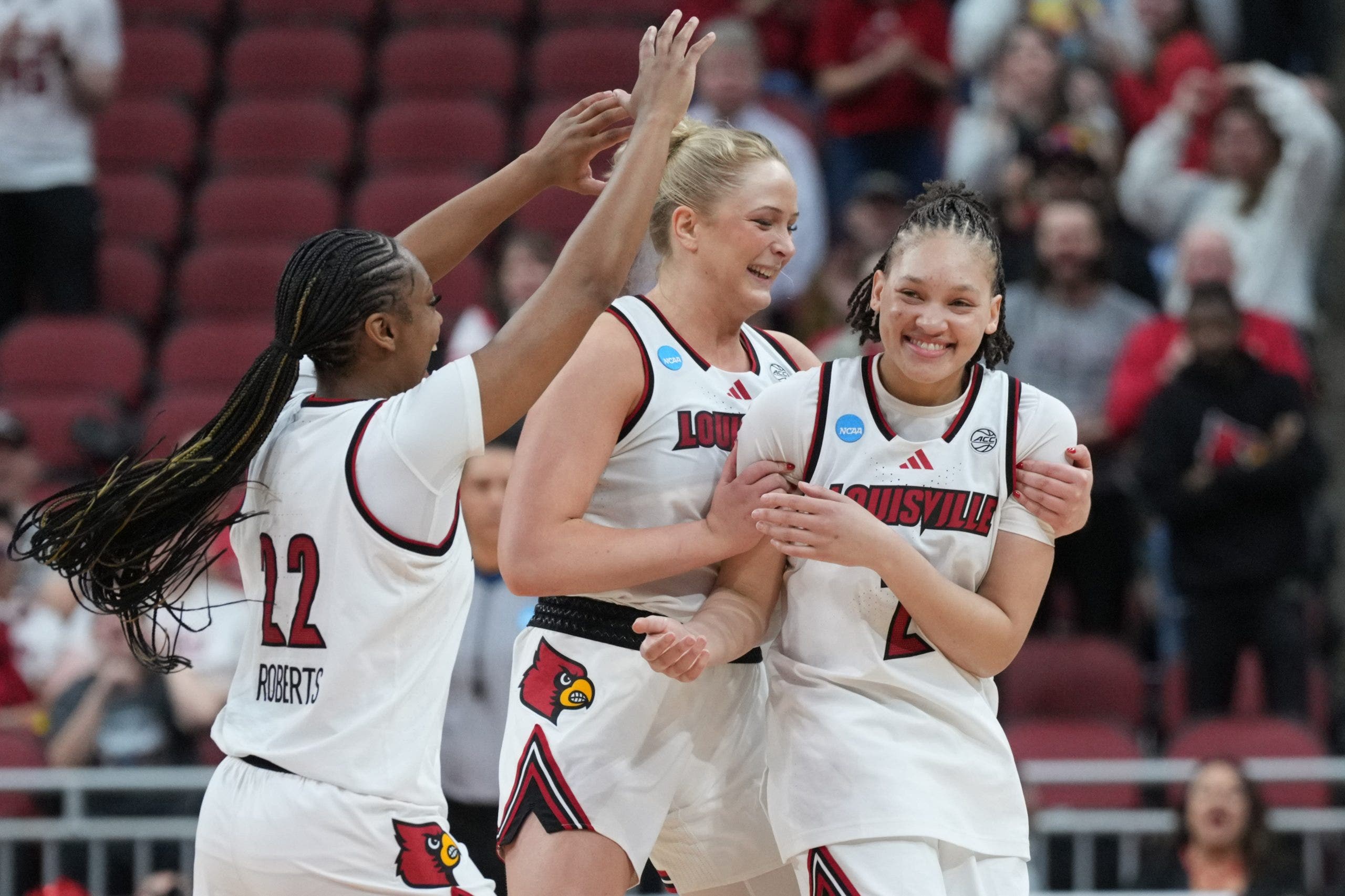
Imari Berry: Sophomore guard Imari Berry had a significant breakout in her second season with Louisville, as the Cardinals nearly doubled her minutes, with the result being 11.0 points, 4.8 rebounds, 2.7 assists and 1.5 steals per game. It might seem odd to highlight a bench player as the top performer on a Sweet 16 team, but Berry is no “mere” bench player: she was named the ACC’s Sixth Player of the Year and earned Second-Team All-ACC honors, too. She ranks third on the Cardinals in both Offensive Rating and Defensive Rating, and is second in PER despite playing 23.4 minutes per game from the bench with just a pair of starts in 36 games. She averages 3.5 3s on 38.1% shooting, and her Per 40 minutes stats make her look like she’s a starting gig away from becoming a star without an asterisk.
Toby Fournier: As a freshman, Toby Fournier averaged 20.2 minutes per game, but those were all off the bench. As a sophomore, the forward stepped into a starting role for Duke, and she took full advantage of the opportunity. She leads the Blue Devils in points (17.4) rebounds (8.0), and PER (30.4), was named Third-Team by both the Associated Press and USBWA, has the best Defensive Rating among Duke starters and the second-best Offensive Rating on the team. She also tied for ninth in the nation in total blocks, with 77, posted nine double-doubles in 34 games, and like Duke as a whole became an even better player as the year went on and conference play took over.
Johnson’s numbers are down, but LSU’s are up, and those are related events. (Photo by Tyler Kaufman/Getty Images)
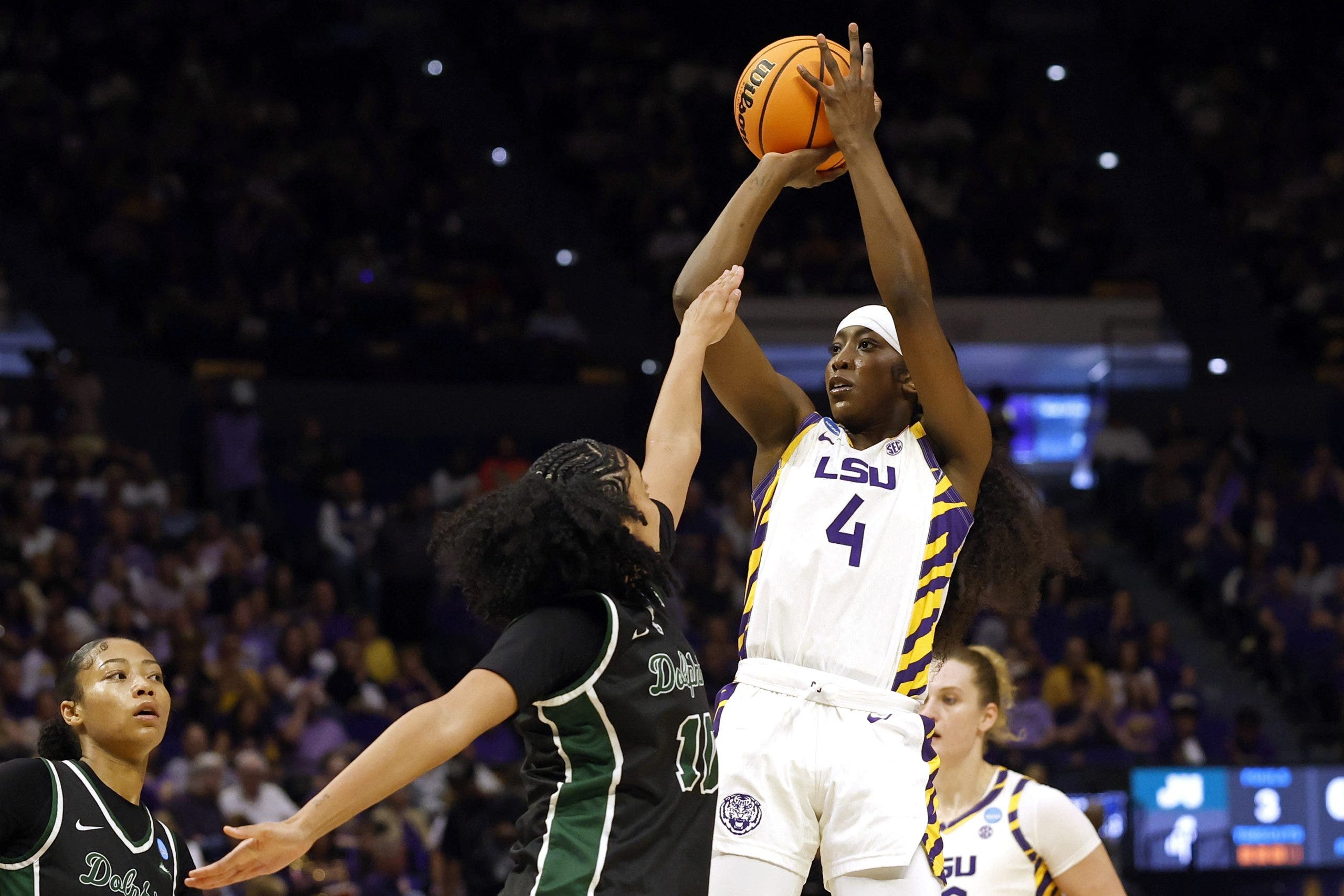
Flau’jae Johnson: By pure numbers, Flau’jae Johnson appears to be having a down year. But it’s not her so much as LSU having more options, which is part of why it has had such a dangerous offense this season. Johnson is scoring 14.3 points per game, down from last year’s career-best 18.6, but Kim Mulkey has also been spreading minutes around more — Johnson is down 6.5 minutes per game, but also shot 40% from beyond the arc and managed a career-best 2.6 assists per game despite the drop in playing time. She was also named a Third Team All-American by the AP and USBWA for the second year in a row, and the senior guard is a likely top-5 pick in the WNBA Draft — LSU needs her to spread the minutes and ball around right now to teammates like MiLaysia Fulwiley, Mikaylah Williams, ZaKiyah Johnson and Jada Richard — all guards like Johnson, by the way — but she has also been an excellent defensive presence who can be more of a feature scorer in big games if the Tigers need her to ramp up.
Olivia Olson: Olson, an Associated Press and USBWA Third-Team All-American, improved nearly across the board in 2025-2026. Her overall shooting percentage went up even if her 3-point rate dropped, and she jumped from 16.3 points to 19.2 points per game while seeing a dip in fouls and increases in rebounds, assists and steals. The sophomore guard led Michigan in points and boards — all but three players on the Wolverines are at least six feet tall, but it is not a rebound-heavy squad — and she finished second in Offensive Rating behind another sophomore guard, Te’Yala Delfosse, but did so in nearly 400 more minutes played. When Olson is on and the 3s are falling, she’s a menace, and the most dangerous player in Michigan’s backcourt.
Blakes led Division I in scoring this season, but she is also a danger to pass to her teammates when open, too. (Photo by Carly Mackler/Getty Images)
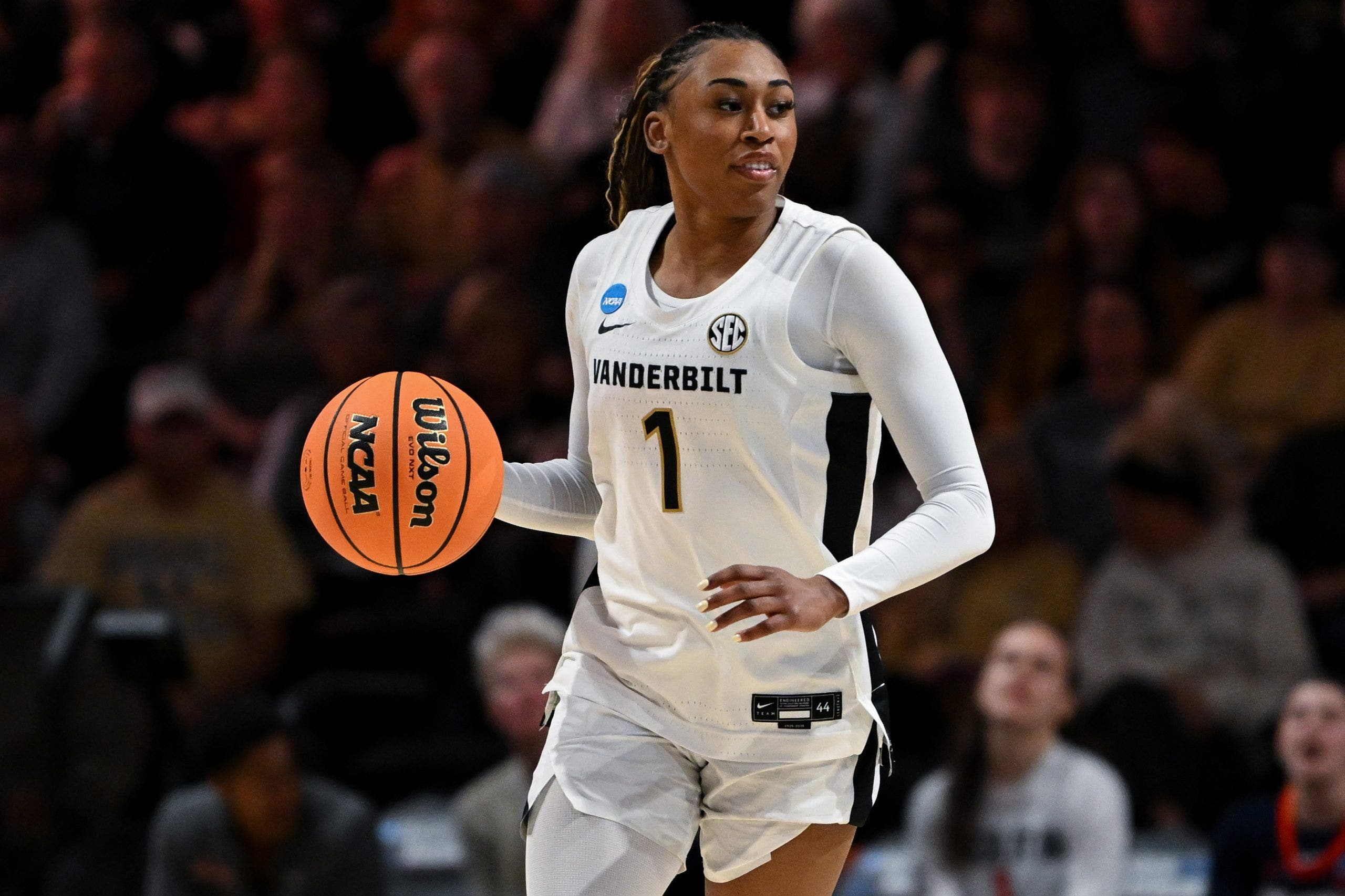
Mikayla Blakes: Mikayla Blakes is the nation’s scoring leader, at 27 points per game — a jump up from last season’s already impressive 23.3 mark. The sophomore guard is much more than “just” a scorer, though, as she fights for rebounds (4.0 per game) and is happy to pass to a teammate if they have the better shot — and they often do, since Blakes is averaging 4.6 assists per game. Blakes was voted a First Team All-American by both the AP and USBWA, and she is the most explosive offensive player in the tournament — and Division I as a whole. She ranks fourth among players remaining in the tournament in PER, second in adjusted Offensive Plus/Minus, and when she’s hot can just take over an entire game: Blakes scored at least 30 points in 13 of her 33 games this year, including a stretch of four in a row and seven of eight, all in SEC play. You know, the conference with six of the 16 Sweet 16 teams in it. She has only gotten better as the year has gone on, and that’s bad news for opposing defenses.
Joyce Edwards: South Carolina is likely graduating two first-round WNBA picks in center Madina Okot and guard Ta’Niya Latson. And yet, sophomore forward Joyce Edwards is still the star, as a blend of high-quality offense (122.4 Offensive Rating) and defense (78.5 Defensive Rating). Edwards was named to the AP and USBWA Second Team All-American squad, after jumping from 12.2 to 19.9 points per game, while also seeing significant increases in rebounds (6.4), assists (2.3), steals (1.8) and blocks (1.1). Edwards shot 59.5% this year, and fights for offensive boards, not just defensive ones. South Carolina is loaded with stars — the Gamecocks have Okot, Latson and AP Third Team selection Raven Johnson besides — but Edwards manages to stick out in that group.
Madison Booker is a problem Longhorns’ opponents have to solve to get by Texas. (Photo by Scott Wachter/Getty Images)
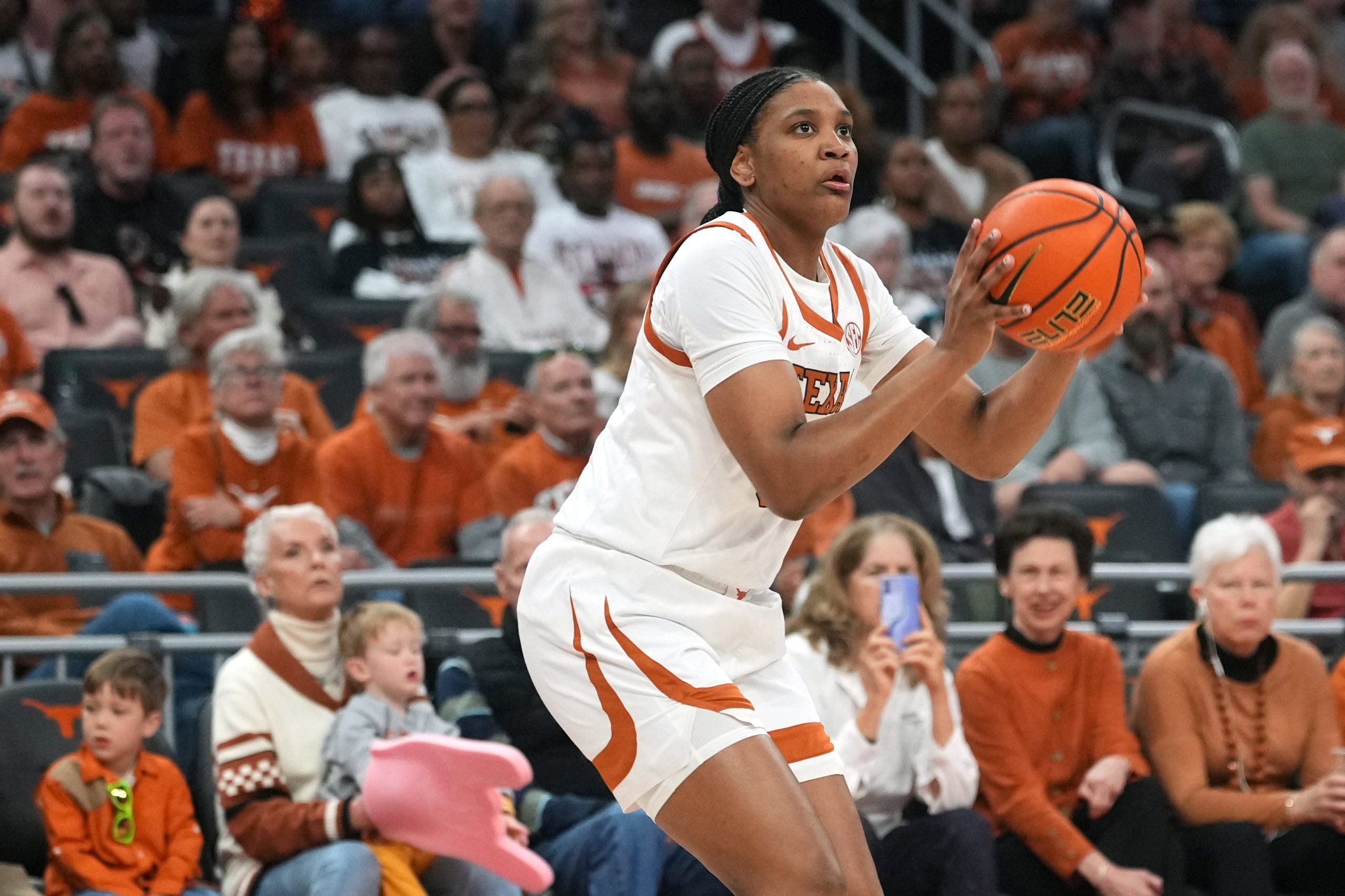
Madison Booker: For the second year in a row, Texas Longhorns’ forward Madison Booker was named a First Team All-American. For her junior year, she was the best she’s ever been, though: Booker has played a career-high in minutes (32.4), jumped her scoring to 19.3 per game, saw a slight increase in rebounds (6.7) and a significant one in assists (3.8) and steals (2.2). She was far and away the best offensive player among starters, posting a 124.7 Offensive Rating, but she’s as good as any defender on this defense-heavy squad, too — Booker is a double-threat, and it’s that balance that makes the Longhorns as a whole so dangerous. Booker just had her best game of the year in the round of 32: 40 points, 8 rebounds, 5 assists, 2 steals and a 14-for-21 showing in 35 minutes against Oregon, in a game Texas won 100-58. She is averaging 22.8 points and 9.0 rebounds per game since the SEC conference tournament began five games ago, and shot 61.6% in that time.
Lauren Betts: Where do you begin with Lauren Betts? The height, probably: she is 6-foot-7, and unlike a number of true centers in the game, not tied down to working solely within the paint. Consider: when earlier this year Michigan threatened in its final possession, down 3 against UCLA, it was Betts harassing sophomore Syla Swords on the perimeter, using her length and height advantage to ensure the much smaller guard could not get comfortable or create space for a clean 3. Betts doesn’t score at the rate of Audi Crooks or average a dozen rebounds per game, but it’s that she’s a big who can score (17.1), rebound (8.7) and has court vision (3.2 assists) while being a dominant defensive force who can impact the game wherever she stands that makes her difficult to solve: the senior has the best Defensive Rating in the Big Ten, at 78.8 points allowed per 100 possessions, and last year won the Naismith Women’s College Defensive Player of the Year award; to go back to Crooks for a moment, Iowa State’s junior center finished at 93.4. Betts is a likely lottery pick in the WNBA Draft for a reason.
Sarah Strong: As a freshman, UConn forward Sarah Strong led all of Division I in Defensive Rating, at 65.3 points per 100 possessions. She was named a Second Team All-American by the Associated Press for that and for leading the Big East in FG% (58.6%), 2P% (68.3%) and effective FG% (65%). Strong has been even better as a sophomore: she once again led the conference in all three of those categories, except at 60%, 68.4% and 66.6%, respectively. Her 133.4 Offensive Rating led the Big East, as well, and Strong, in just 26.4 minutes per game thanks to Geno Auriemma’s aggressive rest policy for starters, averaged 18.4 points, 7.5 rebounds, 4.1 assists, a Big East-best 3.3 steals and 1.6 blocks per game in 2025-2026. Her Defensive Rating once again led Division I, this time at just 55.8 — no one in the history of D-I women’s basketball has ever before had a career Defensive Rating as low as Strong’s 60.9 mark through her first 75 games. She received Associated Press and USBWA First Team All-American honors for a reason, and very well might end up as the overall Player of the Year, too.
The company is not alone in its confidence about the appeal of more creative Easter treats. Bakery Lottie Shaw’s, which has been making treats in Yorkshire since 1912, says sales of its “hot cross tarts”, which combine spiced fruits with treacle in a shortcrust pastry paste, have surged by 800% since launching last year.
Jamie Dimon, chief executive officer of JPMorgan Chase & Co., during the 2025 IIF annual membership meeting in Washington, DC, US, on Thursday, Oct. 16, 2025.
Samuel Corum | Bloomberg | Getty Images
JPMorgan Chase CEO Jamie Dimon said Tuesday that while the Iran war poses near-term risks, it may ultimately improve the prospects for lasting peace in the Middle East.
“I think the Iran war makes it a better chance in the long run — it’s probably riskier in the short run, because we don’t know the outcome of it,” Dimon told Palantir executive and former Congressman Mike Gallagher at a conference held in Washington, D.C.
The key shift, according to Dimon, is a convergence of interests among regional powers. Saudi Arabia, the United Arab Emirates, Qatar, the U.S. and Israel all want permanent peace, he said, adding that Persian Gulf states in particular have shown a willingness to move in that direction.
“The attitude is not what the attitude was 20 years ago,” Dimon said. “They all want it.”
The conflict began last month when the U.S. and Israel launched hundreds of strikes on Iran, including one that killed the country’s supreme leader. The war has reverberated through global markets as oil prices surged because of supply disruptions. While stocks climbed Monday after President Donald Trump said in a social media post that the sides had talked about a “complete and total resolution” to the war, Iran denied that talks were happening.
Dimon, who leads the world’s largest bank by market cap, also tied his contrarian Middle East view directly to economics, arguing that the region’s need for foreign direct investment — which had been flowing into Gulf nations for years — will dry up without stability.
“They can’t have neighbors lobbing ballistic missiles into their data centers,” he said.
In the wide-ranging interview, Dimon touched on a range of topics, from the impact of artificial intelligence on the workforce to stablecoins and the bank’s new global headquarters in New York. But issues of national security and geopolitics took center stage.
The U.S. needs to “get our act together” when it comes industries that are key to national security, Dimon said, noting it was part of his motivation for creating a $1.5 trillion initiative last year.
“I am deeply frustrated … about our own policies in America, which set us back,” Dimon said, citing the inability to manufacture enough munitions as an example.
“We’ve become like Europe, we’re unable to move and change, change budgeting, change procurement,” he said.
The U.S. government and corporate sector “made a huge mistake” dealing with China over the past few decades, including by becoming dependent on critical components from the nation, Dimon said.
He added Americans should assume that conflict may one day arise over China’s desire for Taiwan.
“We should acknowledge [China has] done some things magnificently well,” including building batteries, cars, drones and ships, Dimon said. “We should look at our own shortcomings, and then be prepared, if they ever become an adversary, to face off against them.”
Winning the wars in Ukraine and Iran “would be very helpful” in dealing with China, Dimon added.

With the NFL Draft less than a month away, it is the perfect time to delve into how team-builders around the league assign positional value across the board. As the NFL continues to trend toward a pass-centric approach, with franchise quarterbacks expected to carry their teams to victory, executives, scouts and coaches are building rosters focused on helping the QB1 spark a title run.
As a former NFL player and scout, here is how I rank the importance of every position on the field in today’s game, which provides a blueprint for how I would build my roster. The value of the 25 positions is listed in descending order and each includes three notable examples of the best in the league.
The implementation of the dynamic kickoff has brought the return specialist back into prominence. Teams looking to upgrade their starting field position or boost their offensive output are willing to pour resources into the position to elevate the kicking game.
Three of the best:
Chimere Dike, Tennessee Titans
KaVontae Turpin, Dallas Cowboys
Kene Nwangwu, New York Jets
After being named USFL MVP in 2022, KaVontae Turpin has made three Pro Bowls and two All-Pro teams as the Cowboys’ kick returner. (Photo by Kara Durrette/Getty Images)
The significant field position exchange on punts is often overlooked, but astute coaches will utilize this aspect of the kicking game to set their respective teams up for success. With directional kicking and ball placement, particularly inside the 10-yard line, coveted at a premium, the top punters are hot commodities on the open market.
Three of the best:
Logan Cooke, Jacksonville Jaguars
Tress Way, Washington Commanders
Jack Fox, Detroit Lions
The long-distance kicking boom has elevated the profile of placekickers. As valued point scorers, kickers have played a major role in the offensive explosion around the league.
Three of the best:
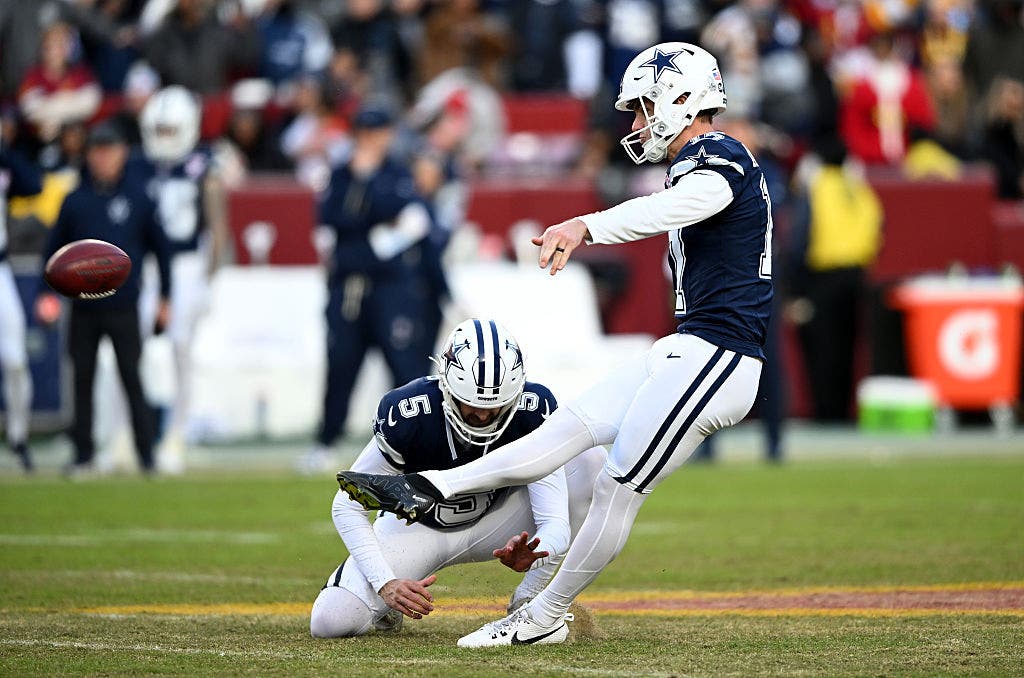
Brandon Aubrey, Dallas Cowboys
Cam Little, Jacksonville Jaguars
Harrison Butker, Kansas City Chiefs
After winning back-to-back USFL championships with the Birmingham Stallions, Brandon Aubrey became a long-distance star for the Cowboys, kicking an NFL-record six field goals of 60-plus yards. (Photo by G Fiume/Getty Images)
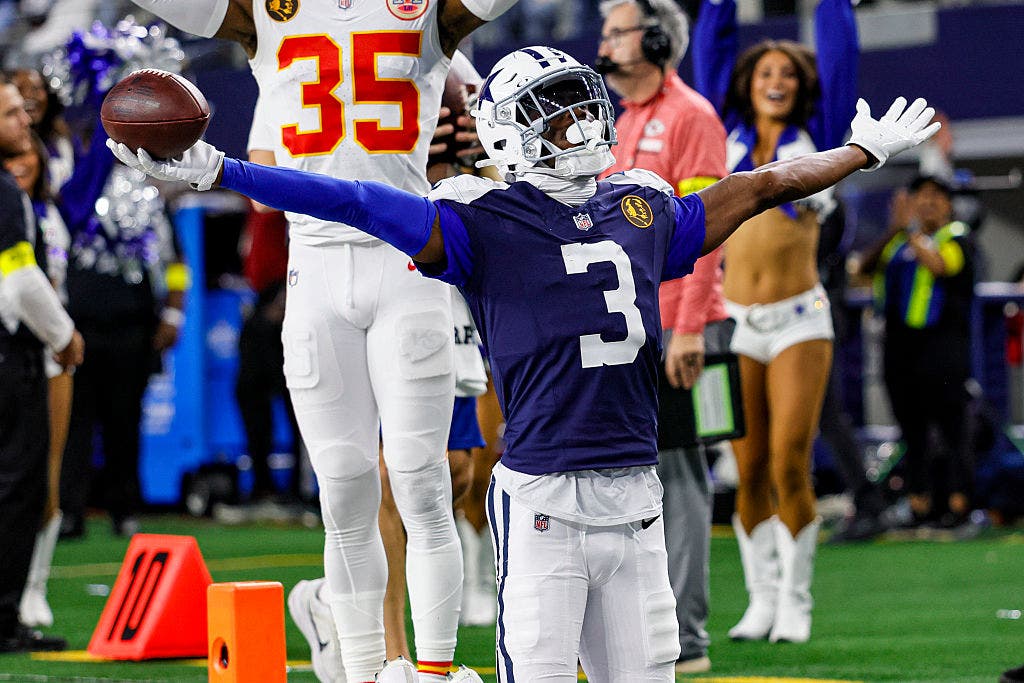
The third receiver on the field flies under the radar but is a big part of an explosive offense due to his ability to dominate matchups against slot cornerbacks, strong safeties and linebackers. As a designated gadget player on screens, fly sweeps and reverses, the WR3 typically has a small menu of plays on the call sheet designed to impact the game in pivotal moments.
Three of the best:
Josh Downs, Indianapolis Colts
Rashid Shaheed, Seattle Seahawks
Parker Washington, Jacksonville Jaguars
The importance of stopping the run has diminished, but the presence of a hole-clogger with imposing size and strength in the middle of the defensive line remains a top priority for team-builders. If the super-sized run stopper can also push the pocket as an interior pass rusher, the defense can play at an elite level with a disruptive force at the point of attack.
Three of the best:
Dexter Lawrence, New York Giants
Jordan Davis, Philadelphia Eagles
Byron Murphy II, Seattle Seahawks
The increased utilization of split-safety defenses has minimized the free safety’s role as a deep middle defender, but top-notch safeties continue to impact the game as umbrella defenders. With deep defenders instructed to keep the ball in front of them and make their plays on tips or overthrown passes, the job description no longer prioritizes playmaking as it used to.
Three of the best:
Minkah Fitzpatrick, New York Jets
Jalen Ramsey, Pittsburgh Steelers
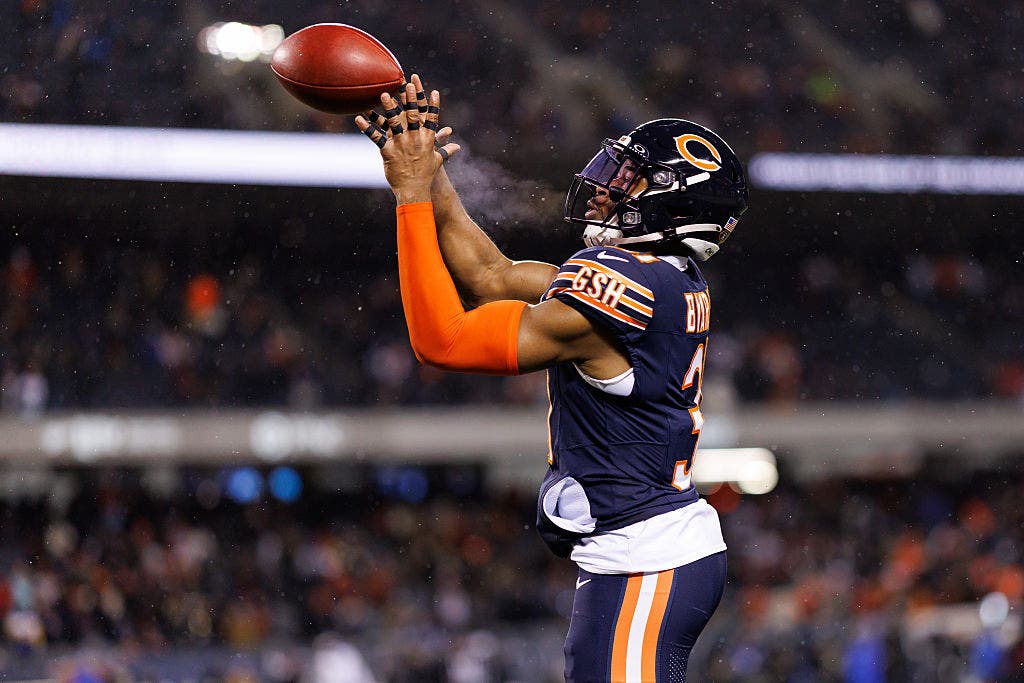
Kevin Byard, New England Patriots
With the Bears last season, Kevin Byard led the NFL with seven interceptions. (Photo by Brooke Sutton/Getty Images)
The Nickel, or “Star,” position features a collection of hybrid players utilizing a diverse set of skills to get the job done. Whether it is a cornerback aligned in the slot to lock down WR3s, while also enhancing the pass rush as a second-level blitzer, or a safety aligned in the box to match up with tight ends or act as an additional run defender, the slot corner position has become a key spot on a championship-caliber defense.
Three of the best:
Marlon Humphrey, Baltimore Ravens
Kenny Moore II, Indianapolis Colts
Nick Emmanwori, Seattle Seahawks
Playing on the right side of the line is all about the production in the running game. Big, physical interior blockers with nimble feet are featured prominently on gap-scheme runs, with the guard instructed to down block or pull around the corner to nail second-level defenders on the run.
Three of the best:
Trey Smith, Kansas City Chiefs
Quinn Meinerz, Denver Broncos
Chris Lindstrom, Atlanta Falcons
The tone-setters for most offensive lines are positioned on the interior. While the list below features heavy-handed interior blockers with the size, strength and balance to bully defenders at the point of attack, the athleticism of a left guard enables teams to incorporate zone-based run calls to attack the perimeter from every angle.
Three of the best:
Quenton Nelson, Indianapolis Colts
Joe Thuney, Chicago Bears
Tyler Smith, Dallas Cowboys
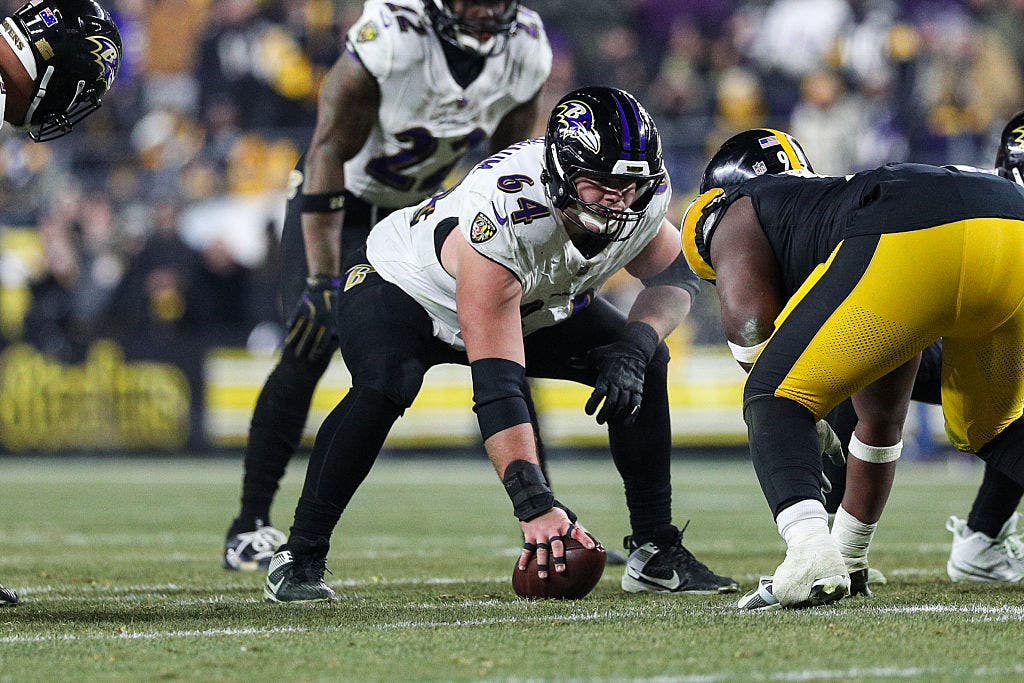
Controlling the game from the middle of the line is the most important part of the center’s role. From making all the calls and adjustments at the line of scrimmage to stalemating the monstrous nose tackle, the center’s ability to win his matchup utilizing his brains and brawn is a big part of his team’s success.
Three of the best:
Creed Humphrey, Kansas City Chiefs
Aaron Brewer, Miami Dolphins
Tyler Linderbaum, Las Vegas Raiders
After making three straight Pro Bowls with the Ravens, Tyler Linderbaum signed a three-year, $81 million contract with the Raiders, a record for a center. (Photo by Mark Alberti/Icon Sportswire via Getty Images)
As more offensive coordinators embrace a pass-heavy approach with quarterbacks and pass-catchers playing “pitch-and-catch” on the perimeter, defensive coaches are placing a greater value on blind-side cover guys. With right cornerbacks assigned to cover the “X” against 3×1 formations — isolating a corner against a receiver while the rest of the defense focuses on the three-receiver side — the position features blue-chip personnel on an elite defense.
Three of the best:
Patrick Surtain, Denver Broncos
Jaycee Horn, Carolina Panthers
Christian Gonzalez, New England Patriots
The presence and impact of a disruptive linebacker with elite “hit, run and cover” skills is undervalued. Teams want to feature more dynamic, second-level athletes prominently in the blitz game and as a part of tricky coverages designed to cloud the picture for quarterbacks.
Three of the best:
Devin Lloyd, Carolina Panthers
Zack Baun, Philadelphia Eagles
Dre Greenlaw, San Francisco 49ers
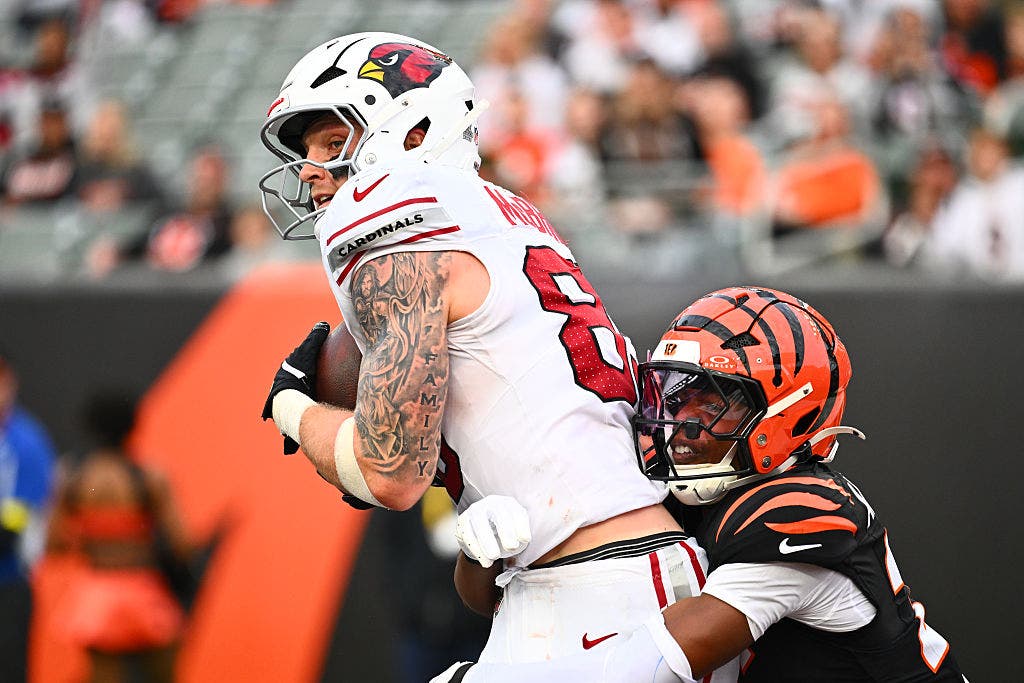
The number of basketball-like athletes thriving at the tight end spot has changed how some offensive coordinators approach the game, particularly with multi-tight-end formations creating chaos for defensive playcallers across the league. By placing multiple big-bodied pass-catchers in run-heavy and bunch formations, offensive wizards are using athletic tight ends to dictate coverage matchups and create big-play opportunities in the passing game.
Three of the best:
Brock Bowers, Las Vegas Raiders
Trey McBride, Arizona Cardinals
George Kittle, San Francisco 49ers
Arizona’s Trey McBride set a single-season NFL record for tight ends with 119 catches in 2025. (Photo by Ben Jackson/Getty Images)
The box-area defender has gained importance due to the emergence of the ultra-athletic pass-catching tight end down the seams and the dual-threat quarterback in the backfield. With the super-sized safeties possessing cornerback-like cover skills and “hit-stick” abilities like a linebacker, there is a reason more teams are utilizing various multi-safety personnel packages with the strong safety deployed near the box.
Three of the best:
Derwin James, Los Angeles Chargers
Kyle Hamilton, Baltimore Ravens
Budda Baker, Arizona Cardinals
Despite the diminished role of the running game, defensive coordinators continue to prioritize high-IQ “MIKE” backers as essential parts of the defensive puzzle. With the middle linebacker expected to serve as the traffic cop and enforcer between the hashes, the job requires an athletic playmaker with hit, run and cover skills between the tackles.
Three of the best:
Roquan Smith, Baltimore Ravens
Fred Warner, San Francisco 49ers
Carson Schwesinger, Cleveland Browns
The devaluation of the running back by some coaches and systems has flipped the league on its head, but astute offensive minds are creating and exploiting mismatches with their RB1. If the running back can put points on the board as a runner and receiver, he becomes a key chess piece for offensive coordinators to utilize in pivotal situations.
Three of the best:
Christian McCaffrey, San Francisco 49ers
Bijan Robinson, Atlanta Falcons
Jahmyr Gibbs, Detroit Lions
As defensive coordinators began placing elite pass rushers at left defensive end/left outside linebacker to take advantage of heavy-footed right tackles, offensive gurus quickly adjusted by installing ultra-athletic pass blockers on the right side.
Three of the best:
Penei Sewell, Detroit Lions
Lane Johnson, Philadelphia Eagles
Joe Alt, Los Angeles Chargers
Most offenses need a specialist to fill the role opposite the No. 1 receiver. Whether the WR2 is a speedster acting as the designated vertical threat or a chain mover expected to handle the dirty work between the hashes, the backside receiver is a valuable asset to the potent passing game.
Three of the best:
George Pickens, Dallas Cowboys
Tee Higgins, Cincinnati Bengals
DeVonta Smith, Philadelphia Eagles
George Pickens broke out with an All-Pro season for the Cowboys, who placed the non-exclusive franchise tag on him before the start of free agency. (Photo by Matthew Pearce/Icon Sportswire via Getty Images)
The top defenses typically feature a Batman and Robin combination on the edges to share the pass-rushing duties. Though the sidekick lacks some of the elite pass-rushing tools of his partner, the best complementary rushers possess the speed or power to routinely win their one-on-one matchups when opponents send the protection to the DPR1’s side.
Three of the best:
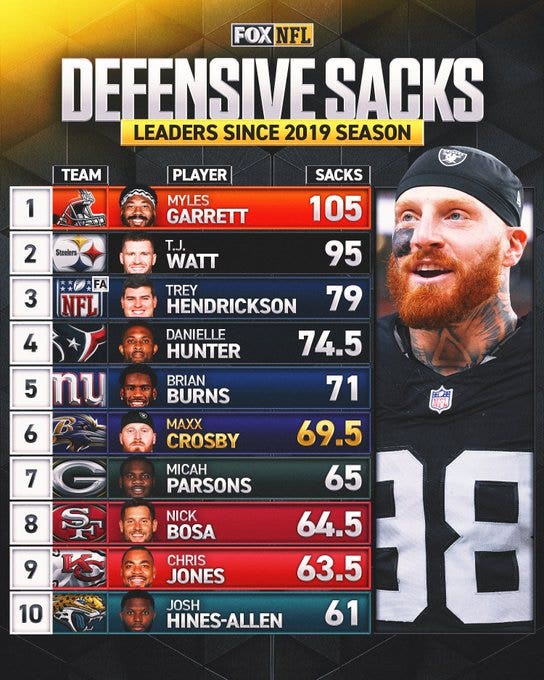
Danielle Hunter, Houston Texans
Chase Young, New Orleans Saints
Jared Verse, Los Angeles Rams
The presence of an interior pass rusher is an essential part of the defensive puzzle in a passing league. As more teams utilize various quick-rhythm throws to negate the outside pass rush, the presence of an athletic defensive tackle with pass-rush skills disrupts the quarterback’s play within the pocket.
Three of the best:
Jeffery Simmons, Tennessee Titans
Chris Jones, Kansas City Chiefs
Jalen Carter, Philadelphia Eagles
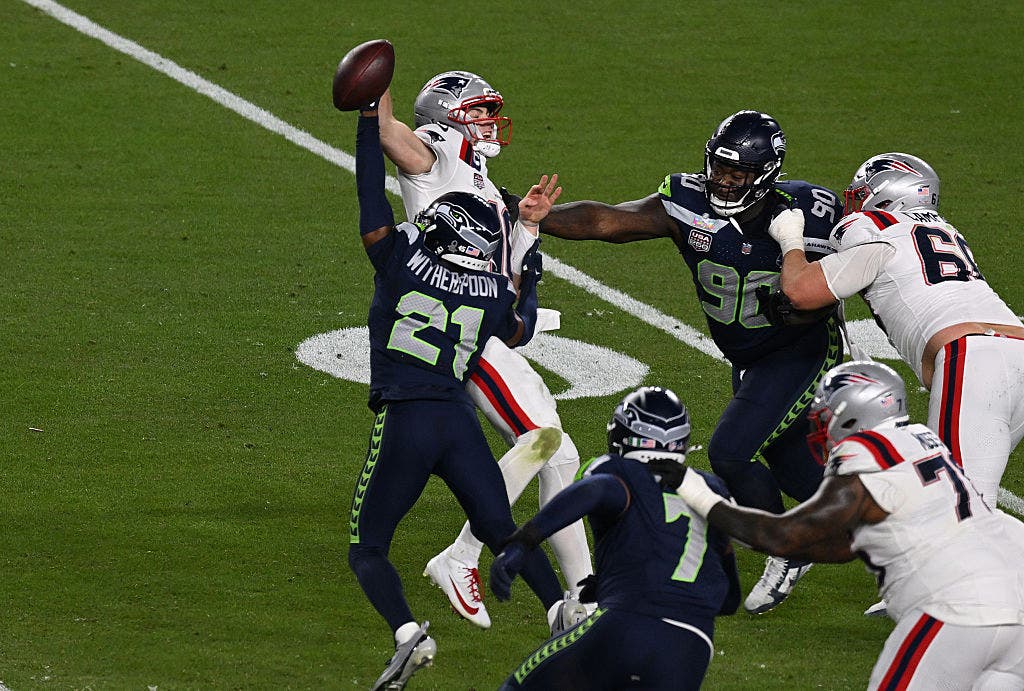
Facing a barrage of throws in his direction requires elite cover skills and a fighter’s mentality. Although some of the blue-chip corners will “travel” with the opponent’s No. 1 receiver, the traditional approach places the defense’s top cornerback on the left side.
Three of the best:
Devon Witherspoon, Seattle Seahawks
Derek Stingley Jr., Houston Texans
Quinyon Mitchell, Philadelphia Eagles
Seahawks corner Devon Witherspoon can not only cover the opponent’s WR1, he was a nightmare for Patriots QB Drake Maye in the Super Bowl as a blitzer. (Photo by Focus on Sport/Getty Images)
The NFL’s transformation to a passing league has made perimeter playmakers essential pieces to the championship puzzle. With WR1s capable of making their mark against loaded zones or double coverage, the presence of an elite pass-catcher makes life easier for the quarterback and the offense’s supporting cast.
Three of the best:
Jaxon Smith-Njigba, Seattle Seahawks
Ja’Marr Chase, Cincinnati Bengals
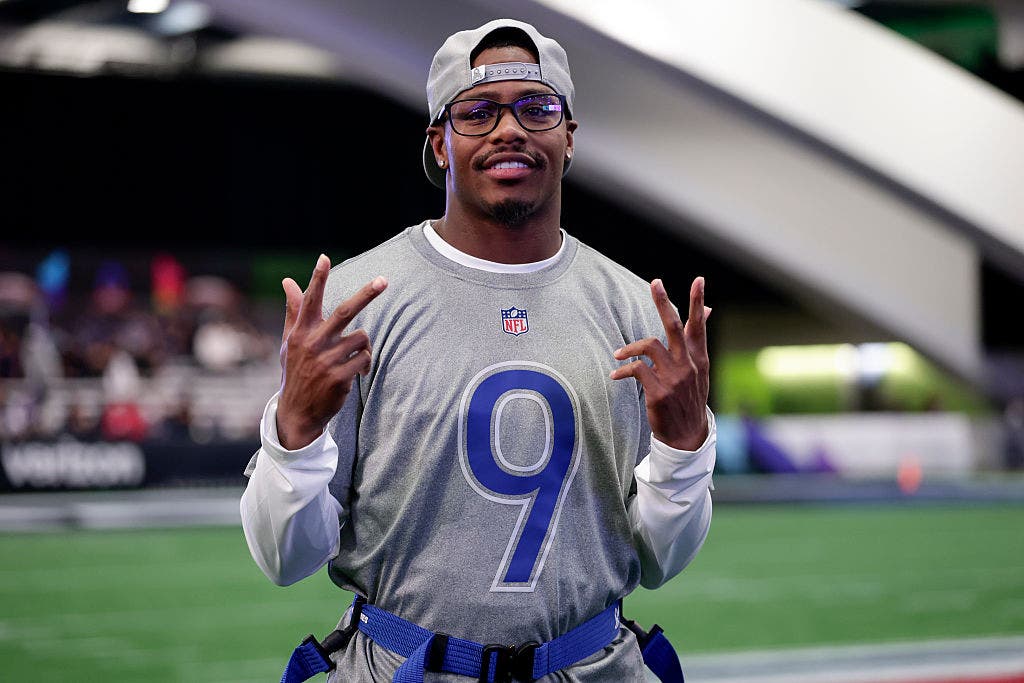
Puka Nacua, Los Angeles Rams
Finding an elite blindside protector is a top priority for team-builders with a franchise quarterback in the lineup. As the league continues to primarily feature right-handed passers, the left tackle spot remains one of the marquee positions on the team.
Three of the best:
Tristan Wirfs, Tampa Bay Buccaneers
Trent Williams, San Francisco 49ers
Jordan Mailata, Philadelphia Eagles
Knocking down the quarterback early and often is the top priority of defensive coordinators around the league. By disrupting the timing and rhythm of the passing game with their persistent pressure, blue-chip pass rushers can single-handedly destroy offensive game plans while protecting the rest of the defense.
Three of the best:
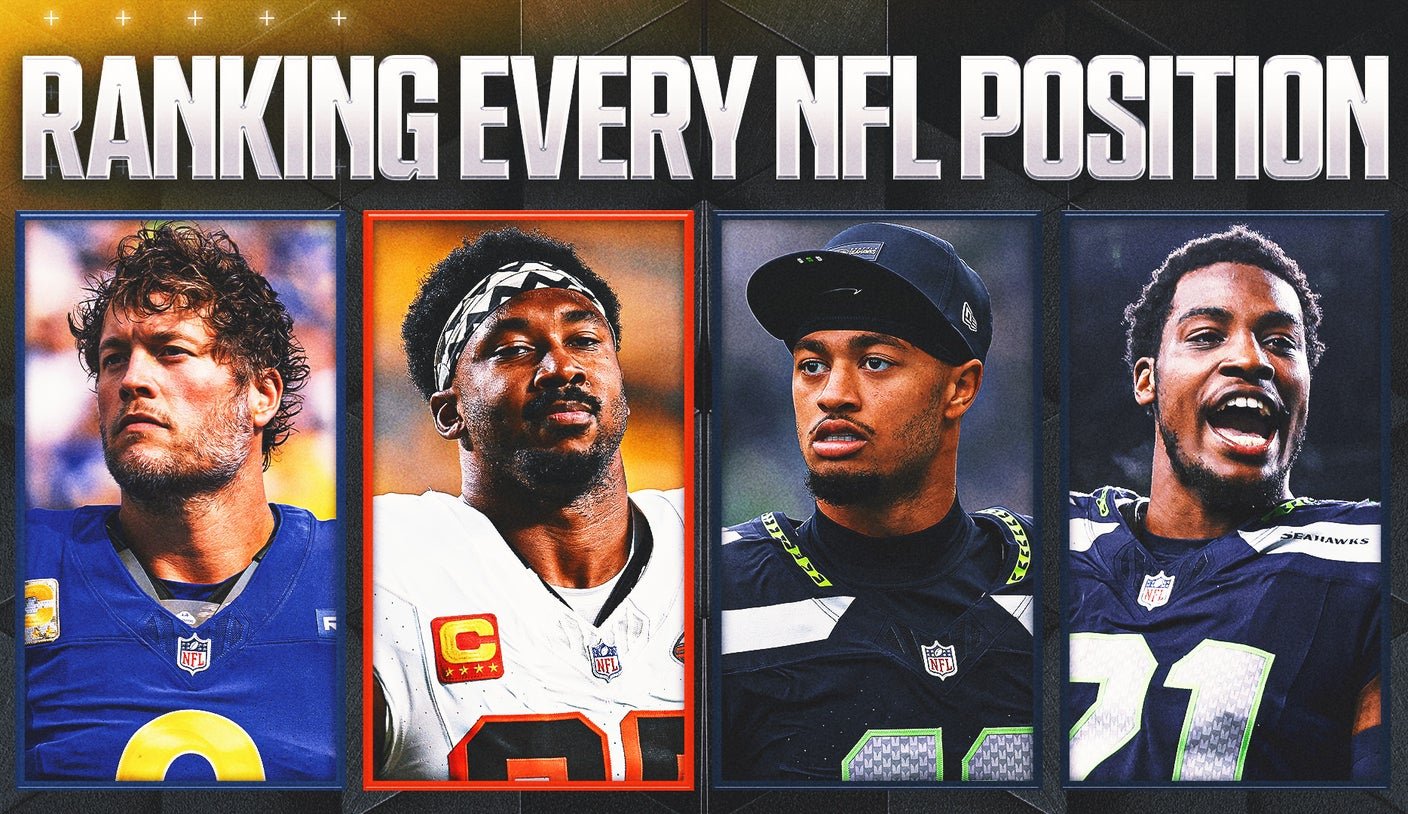
Myles Garrett, Cleveland Browns
Aidan Hutchinson, Detroit Lions
Micah Parsons, Green Bay Packers
There is no disputing the impact of the quarterback’s play on the outcome of games. The elite quarterbacks not only tilt the field in their team’s favor, but they also have the ability to rescue their team with late-game heroics.
Patrick Mahomes, Kansas City Chiefs
Josh Allen, Buffalo Bills
Matthew Stafford, Los Angeles Rams
Youth unemployment and minimum wage increases are causing teens to be squeezed out of job market.
Source link
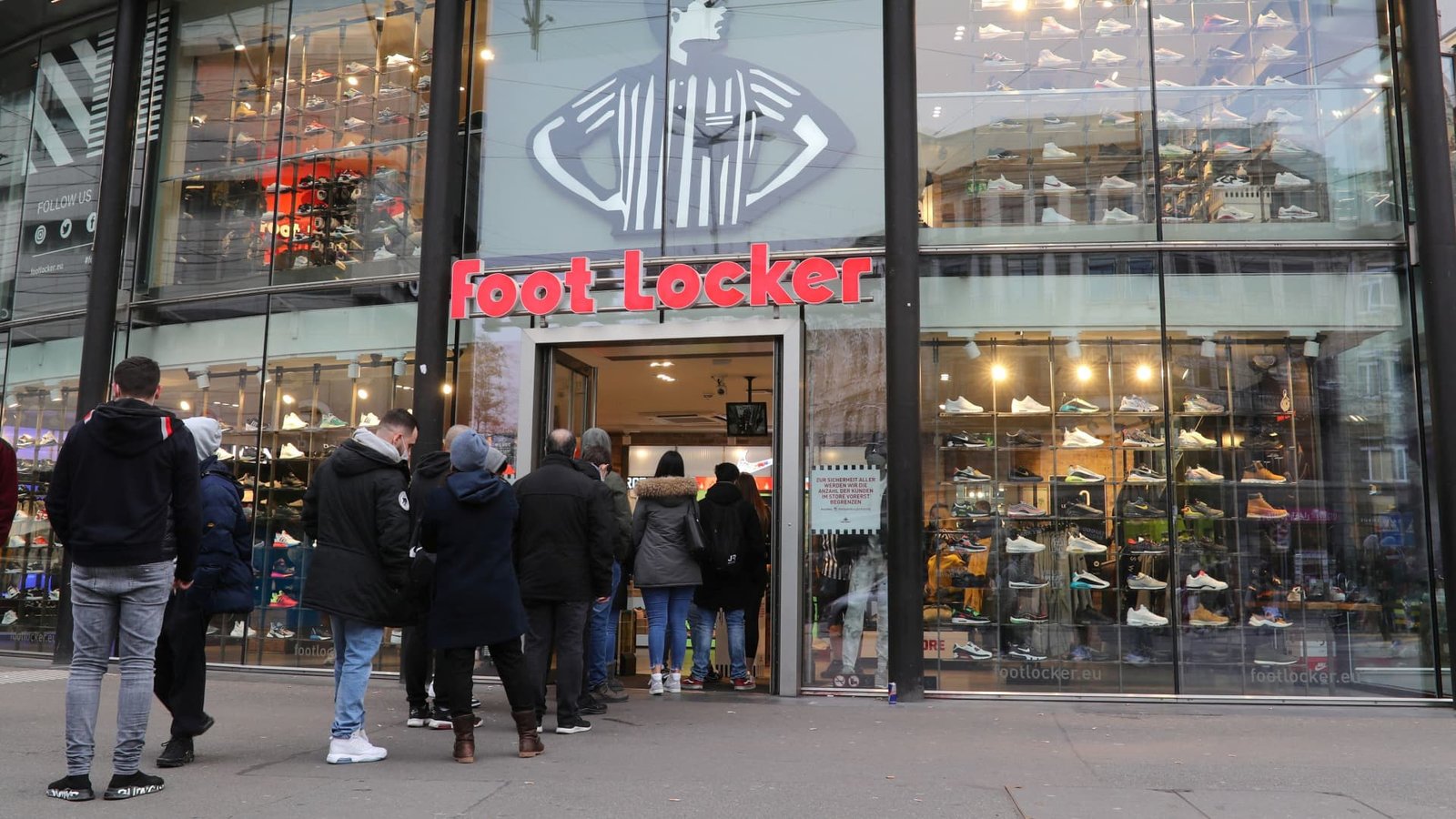
FILE PHOTO: People queue during Black Friday sales in front of a Foot Locker shoe store, in Zurich, Switzerland November 27, 2020.
Arnd Wiegmann | Reuters
Dick’s Sporting Goods said Thursday it saw a better-than-expected holiday quarter, but the retailer issued weak profit guidance for the year ahead as its acquisition of Foot Locker continues to weigh on its bottom line.
The company is expecting fiscal 2026 adjusted earnings per share to be between $13.50 and $14.50, weaker than the $14.67 analysts had expected, according to LSEG.
Dick’s said it expects Foot Locker to get back to both profit and sales growth during the year, but it’s still doing the costly work of clearing through stale inventory and closing unproductive stores that it acquired during the merger last year.
The company expects those efforts, along with other expenses associated with the deal, to cost between $500 million and $750 million. It said around $390 million of those costs were recorded in fiscal 2025, with more expected in the current fiscal year.
In an interview with CNBC’s Sara Eisen, Executive Chairman Ed Stack said the company is “basically done” with its efforts to rightsize the Foot Locker business.
“In retail you’re never really done cleaning out the garage,” said Stack. “Anything else going forward is normal course of business.”
Dick’s beat Wall Street’s expectations on the top and bottom lines for the three months ended Jan. 31. Here’s how the company did in its fiscal fourth quarter compared with what Wall Street was anticipating, based on a survey of analysts by LSEG:
Dick’s posted net income of $128.3 million, or $1.41 per share, a 57% decline from $299.97 million, or $3.62 per share, a year earlier. Excluding one-time items related to its acquisition of Foot Locker, Dick’s posted adjusted earnings of $3.45 per share.
Sales rose to $6.23 billion, up from $3.89 billion a year earlier, when the business didn’t include Foot Locker.
Six months ago, Dick’s acquired Foot Locker in a $2.5 billion deal, and the combined entity is now one of the largest distributors of products from key athletic brands like Nike, Adidas and New Balance. The merger gave Dick’s an in with a new type of customer, allowed it to expand its international presence and gave it more negotiating power with brands at a time when athleticwear companies are less reliant on wholesalers.
While the acquisition led to a 60% increase in sales during the fiscal fourth quarter, it also saddled Dick’s with a business that’s underperformed for years and earns most of its revenue from a sprawling store footprint heavily concentrated in malls.
Since acquiring the business, Dick’s has worked to close poor performing stores. In fiscal 2025, it shuttered 57 stores globally across Foot Locker, Champs, Kids Foot Locker and WSS.
It’s started a pilot program with 11 Foot Locker stores dubbed “Fast Break” that’ll test changes in products and the in-store presentation. So far, Dick’s said the pilot has delivered “standout performance” through improved storytelling and presentation and a streamlined assortment. The retailer plans to expand the model later this year.
Before the acquisition, Foot Locker’s former CEO, Mary Dillon, had been leading an aggressive store transformation strategy that sought to move shops to off-mall locations and renovate existing doors with a refreshed concept. It’s unclear if Fast Break will be different from the strategy Foot Locker already had underway.
Dick’s said it expects to see an inflection in Foot Locker’s comparable sales and profitability beginning with the back-to-school shopping season. For the full year, it expects Foot Locker comparable sales to grow between 1% and 3%.
Two pilots have died after an Air Canada passenger plane collided with a firefighting truck at New York’s LaGuardia Airport on Sunday night.
Video shows the aftermath of the collision on the airport’s runway. At least 41 passengers were taken to hospital.
The airport – one of the busiest in the US – has reopened, though hundreds of flights were delayed or cancelled as a result of the collision.