Memory chip stocks were big winners in 2026 — until lately. What to do now


Source link

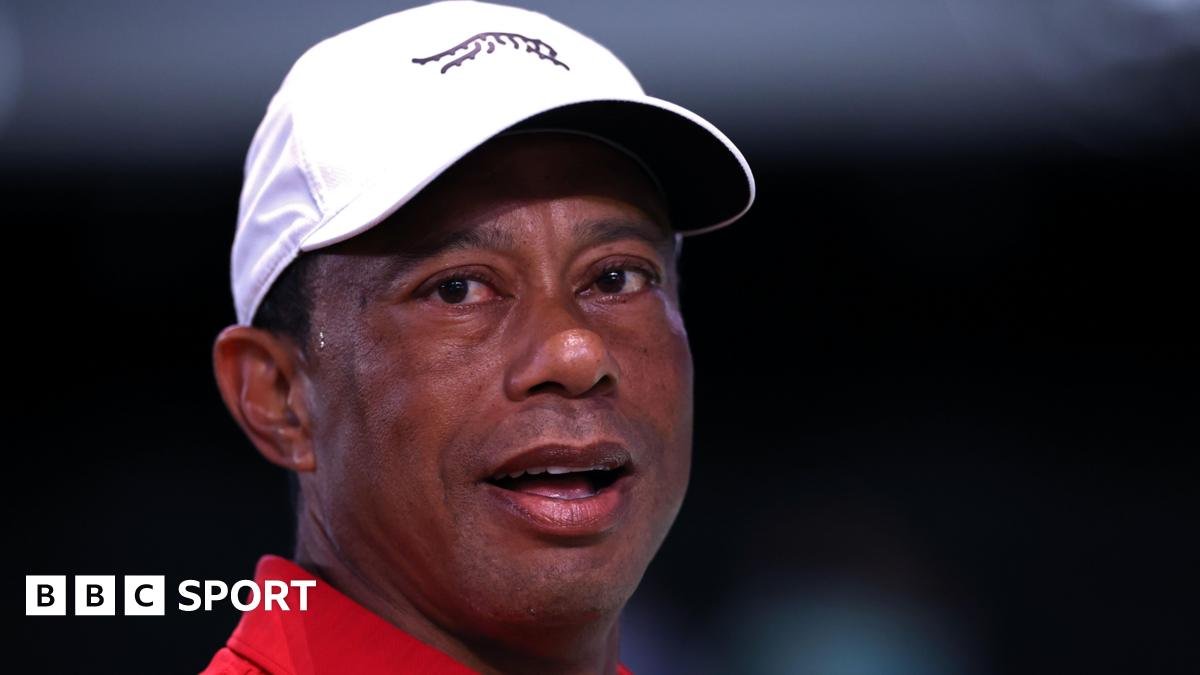
Tiger Woods car crash: Golfer involved in Florida collision


Golf star Tiger Woods has been involved in a car crash in Florida.

In a statement, the Martin County Sheriff’s Office said it is actively investigating the crash on Jupiter Island, which took place on Friday just after 14:00 local time (about 19:00 GMT).

The BBC’s US media partner CBS says a source at Martin County Fire Rescue confirmed it was a two-car crash – with one vehicle rolling over.

One person is stable, while another refused to go to the hospital. Woods’ condition is not yet known as no further details have been released.

Police are scheduled to give an update at about 21:00 GMT.

More to follow.


Source link

David Zaslav WBD-Paramount payout highlights CEO ‘golden parachutes’


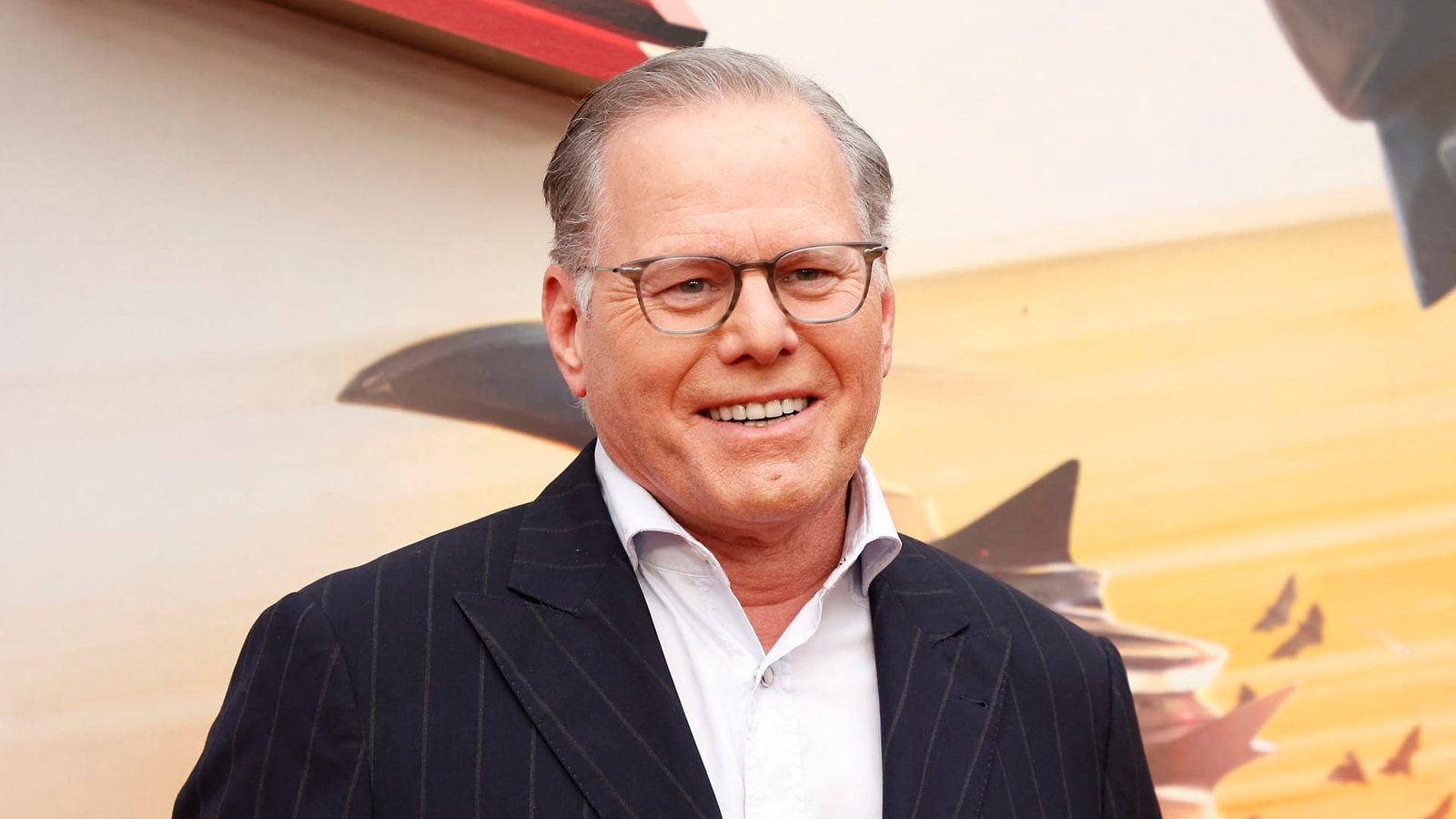
Warner Bros. CEO David Zaslav could make $887 million from Paramount deal. Here's how

Warner Bros. Discovery CEO David Zaslav‘s potential payout of more than $800 million from the Paramount Skydance deal highlights an obscure tax rule originally designed to limit CEO pay.

According to SEC filings, Zaslav could collect hundreds of millions of dollars in severance and other stock awards and payments following Paramount’s acquisition of WBD. The payments include about $500 million in share awards, about $115 million in vested stock awards and $34 million in cash, according to the filings.

The deal also includes up to $335 million in potential payments to Zaslav for what’s known as the “golden parachute” excise tax. The tax was originally created by Congress in the 1980s to limit what many considered to be outsized payouts to chief executives upon a change of control or sale of their companies. The tax, of 20%, kicks in when an executive’s payout exceeds three times their typical base salary and target annual bonus.

As part of the acquisition, Paramount agreed to pay Zaslav’s excise tax if his other payments trigger the tax. The reimbursement declines over time and drops to zero if the deal closes in 2027. Paramount has said it is aiming to close the deal, pending regulatory approval, by this fall.

The Paramount board said the reimbursement would be paid by Paramount, not Warner shareholders.

Without the payment, known as a “gross up,” the board said “Mr. Zaslav would be at a substantial disadvantage in terms of excise tax exposure relative to the previously proposed transaction with Netflix,” which wouldn’t have involved a golden parachute tax.

Zaslav’s payout from the deal is expected to be around $667 million without the tax.

Management experts have said that rather than limiting pay, the golden parachute rules have instead incentivized CEOs to sell their companies and reap ever-higher rewards. The tax has also led companies, and their shareholders, to spend even more to pay the special taxes.

“Over time, especially as executive compensation radically shifted toward stock-based pay, golden parachutes have become increasingly lucrative, platinum in many cases,” Jeffrey Gordon, co-director of Columbia Law School’s Ira M. Millstein Center for Global Markets and Corporate Ownership, wrote in a paper. “Even if there is pain among those who are laid off when the firm is sold and layoffs occur, there is plainly one winner: the CEO with a golden parachute.”

Get Inside Alts directly to your inbox

Correction: Paramount Skydance is acquiring Warner Bros. Discovery. A previous version of this story mischaracterized the deal.

Choose CNBC as your preferred source on Google and never miss a moment from the most trusted name in business news.


Source link

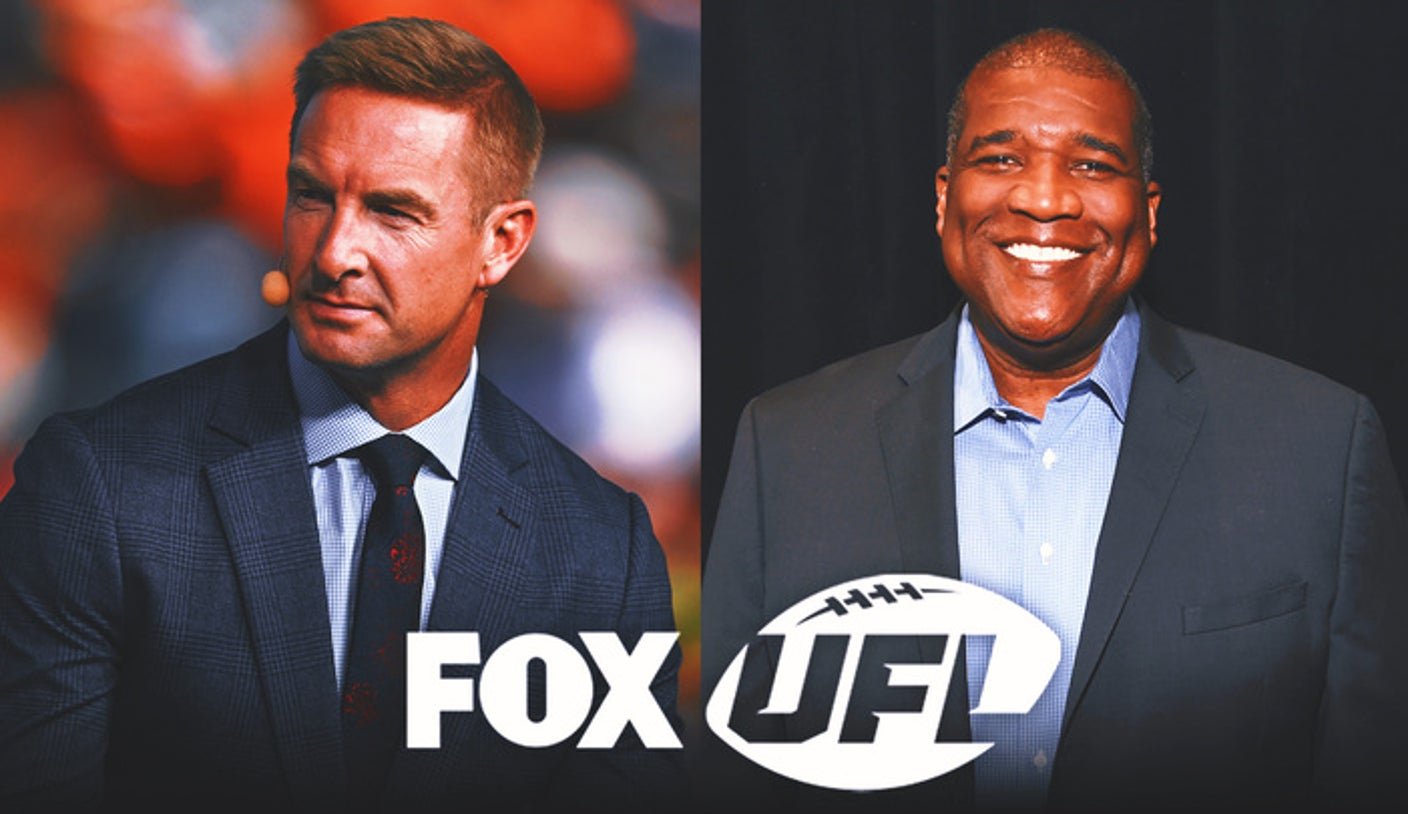
UFL 2026: Joel Klatt, Curt Menefee Return To Headline FOX Broadcast Team


The 2026 UFL season kicks off Friday night at 8 p.m. ET on FOX with the beloved Birmingham Stallions taking on the Louisville Kings — one of the league’s three brand-new franchises this year — from Lynn Family Stadium in Kentucky.

[UFL 2026: What To Know About the Upcoming UFL Season]

Critically acclaimed football analyst Joel Klatt will once again team up with veteran broadcaster and Emmy Award winner Curt Menefee to lead FOX Sports’ broadcast team for the highly anticipated third season of the UFL. 

They’ll be on the call for the season opener on FOX UFL Friday — a dedicated night of UFL action taking place each Friday on FOX during the 10-week regular season.

On Saturday, the duo will continue leading the opening-weekend action, as the Houston Gamblers battle the Dallas Renegades at Toyota Stadium in Frisco, Texas (4 p.m. ET on FOX). Additionally, former Denver Broncos star and two-time Michigan All-American tight end Jake Butt will report from the sidelines of both games.

FOX Sports play-by-play announcer Kevin Kugler, sideline reporter Devin Gardner and college football reporter Jenny Taft and analyst Brock Huard round out FOX Sports’ roster of broadcasters throughout this season. 

Mike Pereira and Dean Blandino will return as rules analysts.

[UFL 2026 Title Odds: Stallions, Defenders Top Preseason Board]

FOX Deportes is scheduled for a 10-game UFL slate plus the playoffs on June 7, and coverage will be led by play-by-play announcers Rodolfo Landeros and John Laguna, alongside veteran analyst Jaime Motta.


Source link

Private credit’s cracks spark a new tug of war with Wall Street banks


Wall Street, Manhattan, New York.

Andrey Denisyuk | Moment | Getty Images

Wall Street banks may finally be getting a long-awaited opening to claw back market share from private credit lenders.

After a decade in which private credit lenders grew rapidly and took over a large share of financing for leveraged buyouts, signs of strain in that sector, along with easing bank rules, may now be shifting the balance.

“This is an opportune time for banks to regain market share from private credit funds,” Moody’s chief economist Mark Zandi told CNBC in an email.

“Interest rates have declined and banking regulation has eased. Private credit lenders are also struggling with the fallout from their previously aggressive lending,” he highlighted.

Private credit’s rapid ascent was fueled in part by banks’ retreat. Following the Federal Reserve’s aggressive rate hikes and the 2023 banking crisis, lenders tightened underwriting and pulled back from riskier deals. Borrowers, particularly private equity firms, increasingly turned to direct lenders offering faster execution and looser terms.

The tug of war is just starting. The rules have been relaxed, so it’s only natural that banks want to get back some of their market share in private credit.

Jeffrey Hooke

Johns Hopkins Carey Business School

At its peak, the shift was dramatic. According to PitchBook data, banks’ share of buyout financings above $1 billion fell to just 39% in 2023, down from about 80% in the five years prior. That share has since recovered to just over 50% in 2025.

And the tide may be turning further.

Private credit is facing mounting challenges. Years of aggressive lending are starting to backfire, as higher interest rates make it harder for heavily indebted borrowers to repay loans and increase default risks. Investor demand for liquidity is also rising, with some clients seeking to pull money after years of locking up capital.

Moody’s Zandi expects the sector to “experience more credit problems in the coming months,” citing fallout from geopolitical tensions, higher borrowing costs and structural pressures in industries such as software. Consumer and healthcare borrowers may also come under strain.

Regulatory changes offering tailwinds

Over the medium term, regulatory changes could also further tilt the playing field. 

“Our anticipation of deregulation from the Trump administration includes a likely weakening of the Basel III Endgame implementation, with the U.S. Treasury explicitly aims to redirect business lending back into the banking sector,” Shannon Saccocia, chief investment officer at Neuberger Berman, told CNBC via email.

The Basel III “Endgame” framework is a regulatory overhaul finalized in 2017 in the wake of the 2008 global financial crisis. It was designed to standardize how large banks calculate risk and to establish a capital floor that requires lenders to hold more reserves against loans, particularly higher-risk corporate and leveraged lending.

This is the start of a big crisis for private credit, says Verdad's Rasmussen

That has made bank lending less competitive versus private credit funds in recent years, said market veterans.

A weakening or reversal in the Basel III Endgame will raise competition for private credit lenders, Saccocia added, a stance echoed by other market veterans.

“Banks should quickly fill any void left by more cautious private credit lending, said Zandi, pointing to a more favorable regulatory backdrop and improving funding conditions for traditional lenders.

Recent Federal Reserve proposals to adjust the regulatory capital framework could “position banks to be more competitive on the lending front in hopes of regaining at least some share of their original commercial banking foothold,” noted Lukatsky.

Recent deals, such as the multi-billion-dollar leveraged loan financings for Electronic Arts and Sealed Air, signal a strong appetite among banks to execute “jumbo” transactions when market conditions allow.

Private credit still competitive

However, private credit’s grip is far from broken just yet. Direct lenders continue to compete aggressively, offering unitranche loans that bundle different types of debt into one package at a single interest rate.

Blackstone and Ares, for example, were among 33 lenders that reportedly provided about $5 billion in financing to back investment firm Thoma Bravo’s acquisition of logistics company WWEX Group, underscoring how private credit firms can still fund large buyout deals even as banks begin to re-enter the market.

Pitchbook’s global head of credit and U.S. private equity Marina Lukatsky noted that the expected rebound in buyouts and dealmaking has yet to materialize this year, as uncertainty around trade policy, interest rates and geopolitics has slowed activity. With fewer deals taking place, demand for financing has declined across both banks and private credit.

For banks to make a meaningful comeback, borrowing costs in syndicated loans, which are large loans arranged by banks and funded by a group of lenders, need to become more competitive, she added. Additionally, large buyout activity needs to pick up, and the broader economic outlook needs to improve.

Crucially, private credit retains structural advantages that are difficult for banks to replicate, including speed, certainty of execution and flexible conditions, which some borrowers may continue to value in volatile markets, noted some experts.

That said, a comeback is on the cards.

“The tug of war is just starting,” said Jeffrey Hooke, senior lecturer in finance at Johns Hopkins Carey Business School 

“The rules have been relaxed, so it’s only natural that banks want to get back some of their market share in private credit.”

Choose CNBC as your preferred source on Google and never miss a moment from the most trusted name in business news.


Source link

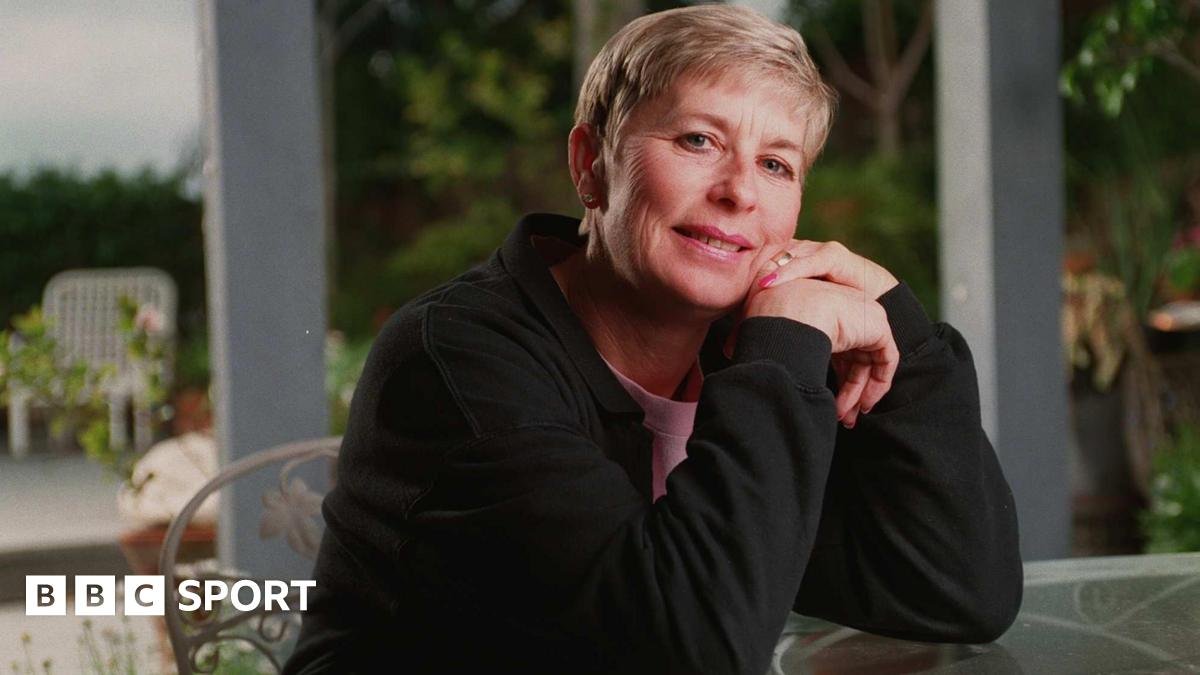
Mary Rand: 1964 Olympic gold winner dies at age of 86


Mary Rand, the first British woman to win an Olympic gold medal in athletics, has died at the age of 86.

Rand secured the long jump title at the Tokyo Games in 1964, also winning silver in the inaugural women’s pentathlon and bronze in the 4x100m relay.

That meant she also became the first British woman to win gold, silver and bronze at a single Olympic Games.

In the long jump, Rand broke the British and Olympic records with her first leap of 6.59m and then smashed the world record on her fifth attempt with an effort of 6.76m.

“Mary was the most gifted athlete I ever saw,” said Ann Packer, who won 800m gold at the 1964 Olympics days after Rand’s triumph and was her room-mate in Tokyo.

“She was as good as athletes get. There has never been anything like her since – and I don’t believe there ever will.”

Rand, whose first husband was British rower Sydney Rand, also won long jump gold at the 1966 Commonwealth Games in Jamaica.

However, injury denied her the chance to defend her Olympic title in 1968 and she retired at the age of 28 the same year.

Born in Wells, Somerset, she was only 17 when she set her first British record in the pentathlon, and she won 12 national titles across long jump, high jump, sprint hurdles and pentathlon during her illustrious career.

Rand was voted the BBC Sports Personality of the Year in 1964 and was awarded an MBE in the 1965 New Year Honours List.


Source link

FedEx (FDX) Q3 2026 earnings


Barclays' Brandon Oglenski breaks down FedEx's Q3 results

FedEx on Thursday reported strong fiscal third-quarter results that beat Wall Street’s expectations.

The company also raised its guidance for fiscal 2026, projecting revenue growth of 6% to 6.5% compared with analyst estimates of up 5.6%.

Shares of FedEx rose roughly 9% in extended trading.

Here’s how the company performed in the fiscal third quarter, compared with what analysts were expecting, according to LSEG:

  • Earnings per share: $5.25 adjusted vs. $4.09 expected
  • Revenue: $24 billion vs. $23.43 billion

For the quarter, FedEx reported adjusted operating income of $1.68 billion, beating estimates of $1.39 billion. It reported net income of $1.06 billion, or $4.41 a share, up from $909 million, or $3.76 a share, a year ago. Adjusted for spin-off costs and other one-time items, FedEx reported EPS of $5.25.

The company also raised its fiscal 2026 adjusted EPS expectations, now projecting earnings of $19.30 to $20.10 per share compared with previous guidance of between $17.80 and $19 a share.

“Team FedEx delivered another quarter of strong financial results and excellent service for our customers, powered by disciplined operational execution, the resilience of our global network, and the accelerating impact of our advanced digital solutions,” CEO Raj Subramaniam said in a statement.

The company previously said it expected roughly $1 billion in cost reductions from its “Network 2.0” initiative, which is focused on optimizing efficiency of its package processes by leveraging automation and artificial intelligence. FedEx now expects those savings to exceed $1 billion.

FedEx said its freight business, FedEx Freight, remains on track to be spun off into a separate publicly traded company on June 1.

Subramaniam said on a call with analysts that the company expects “modest” headwinds from disruptions from the Iran war and that the Middle East is a “relatively small part” of total revenue.

Choose CNBC as your preferred source on Google and never miss a moment from the most trusted name in business news.


Source link

Buy this steel stock that’s ‘largely insulated’ from Iran war, says UBS


Source link