One fund delivers income, guards against volatility and is rated 5 stars


Source link

Luxury giants lose billions in market value amid Middle East conflict


Share

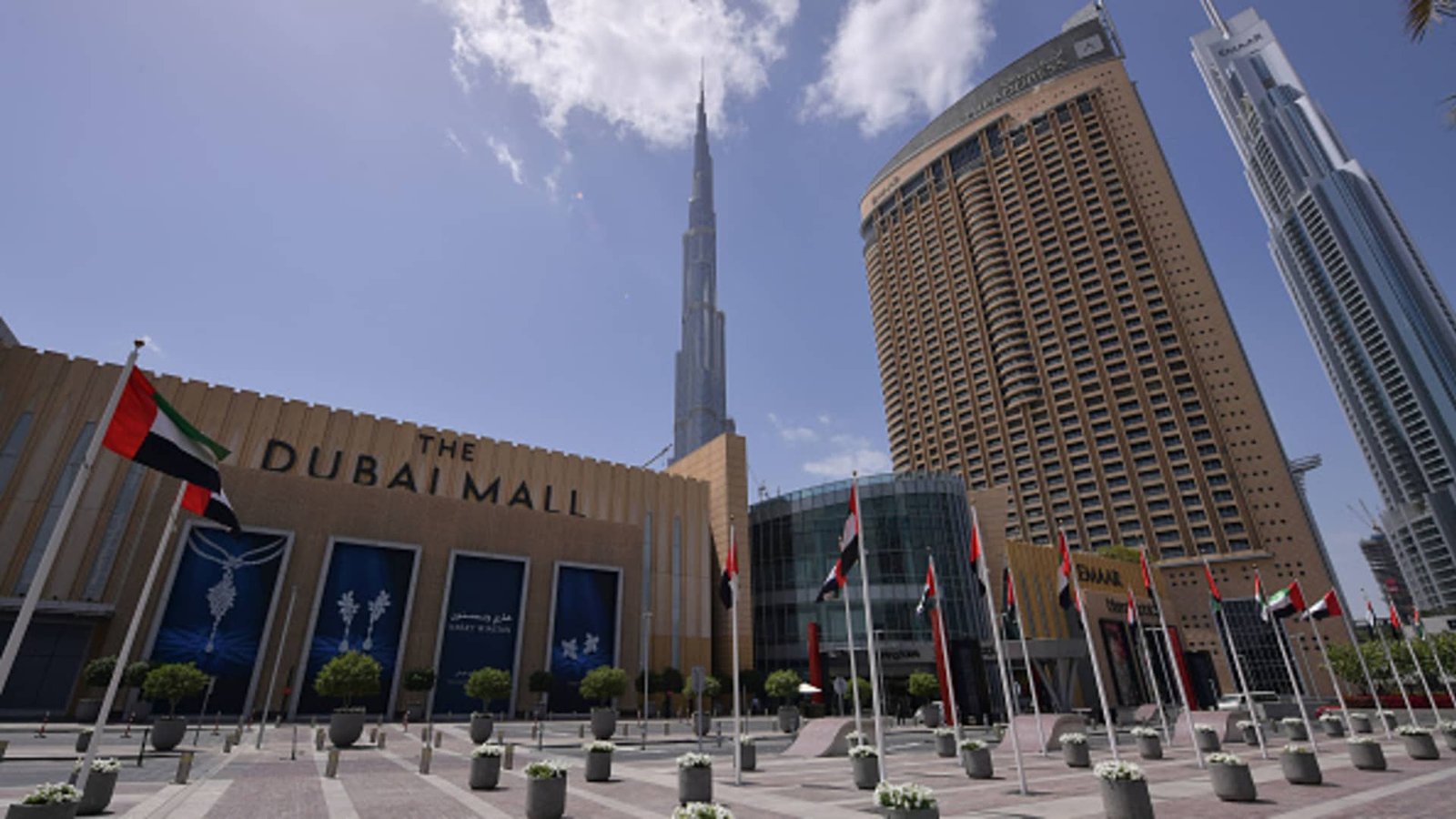
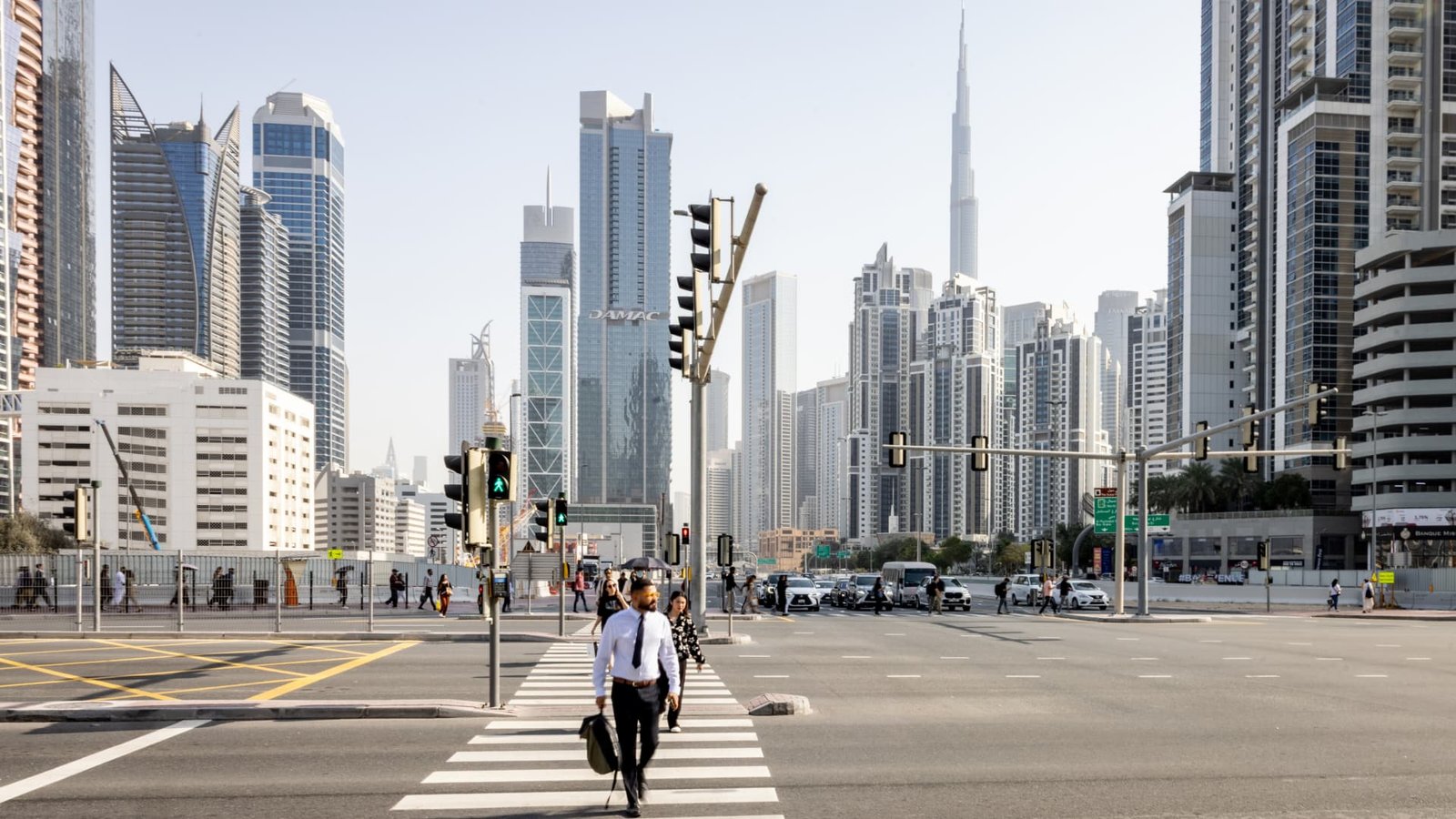
The Iran war is rattling the global luxury industry. Stocks like LVMH and Hermès have shed an estimated $100 billion in combined market value since late February. The Middle East, last year’s fastest-growing luxury market at a growth rate of 6% to 8%, is now facing deep uncertainty. Dubai’s booming millionaire population and elite retail scene made it a crown jewel for luxury brands. CNBC’s Robert Frank explains what’s to come for the Middle East’s luxury market during the ongoing conflict in Iran.


Source link

This bargain fintech stock is stuck in a five-year rut. A turnaround is coming


Source link

Micron stock sinks for a fourth straight day after dominant earnings


People visit the Micron booth during the 7th China International Import Expo at the National Exhibition and Convention Center in Shanghai, Nov. 5, 2024.

Vcg | Visual China Group | Getty Images

Micron‘s blowout second-quarter earnings report fueled by a surge in memory demand hasn’t been a boon for the company’s stock.

Since reporting last Wednesday, the memory maker’s stock has dipped about 14%, following a 2.2% drop on Tuesday.

Micron has benefited from the soaring demand for artificial intelligence chips, which require large amounts of memory.

Micron, SK Hynix and Samsung make up nearly the entire market for the types of memory that AI companies like Nvidia and Advanced Micro Devices depend on for their high-performance chips.

“Memory today is very tight supply and supply cannot be brought up that easily, and you are seeing that in our results,” Micron CEO Sanjay Mehrotra told CNBC’s “Squawk on the Street” on Thursday. “You are seeing the value of memory reflected in our strong financial performance in Q2.”

Mehrotra added that the company has had trouble serving its customers as the supply crunch tightens, with key customers only getting “50% to two-thirds of their requirements.”

Micron is up over 300% in the past year. It’s the only tech company of the top 10 in the U.S. to see gains year-to-date, with Oracle and Microsoft both down over 20%.

Micron reported $23.86 billion in revenue for Q2 of fiscal 2026, almost triple its reported $8.05 billion from a year prior. The company also issued strong guidance, projecting gross margins of about 80% for the next quarter.

Analysts reacted positively to the company’s earnings, despite the immediate fall in the stock. Bank of America, Morgan Stanley and JPMorgan all hiked their price targets after the report.

“Higher FY27 capex and peak gross margins concerns (81% > Nvidia 75%) likely induced some profit taking after a strong stock run into the print,” wrote Citi’s Atif Malik of the fall.

Stock Chart IconStock chart icon

hide content

Micron one-year stock chart.

Micron CEO Sanjay Mehrotra: Memory chip supply is tight, we can’t deliver enough to customers
Choose CNBC as your preferred source on Google and never miss a moment from the most trusted name in business news.


Source link

General Electric is in the throes a major reversal lower, says Carter Worth


Source link

Iran war wipes out $100 billion from luxury stocks


Luxury giants lose billions in market value amid Middle East conflict

A version of this article first appeared in CNBC’s Inside Wealth newsletter with Robert Frank, a weekly guide to the high-net-worth investor and consumer. Sign up to receive future editions, straight to your inbox.

Major luxury stocks have fallen 15% or more since the Iran war started, and sales in the increasingly important Middle East market could drop by half, according to analysts.

Shares of LVMH and Hermès are down roughly 16% and 20%, respectively, this month, while the S&P 500 has fallen less than 6%. Shares of Ferrari are also down 15%, and the company announced it would temporarily suspend deliveries to the Middle East. Bentley, Maserati and other high-end car companies are also halting deliveries due to security risks and logistics.

“At the moment, we don’t have an impact from a production side,” said Bentley CEO Frank-Steffen Walliser on the company’s recent investor call. “But for sure, people in the Middle East have other thoughts than looking for a new Bentley at the moment.”

For investors and luxury companies, the Iran war has highlighted the increasing importance of the Middle East to the global luxury industry and the high-net-worth economy. While the region accounts for a relatively small share of overall luxury sales, it’s growth has become critical to the industry.

The region was the fastest-growing luxury market in the world last year, posting growth of between 6% and 8% compared with flat growth globally, according to Bernstein luxury analyst Luca Solca. The Middle East now accounts for about 6% of global luxury sales, on pace to potentially rival Japan, which claims about 9% of global sales, according to Solca.

Dubai in the United Arab Emirates has been the biggest driver of growth, accounting for about 80% of the UAE’s rise, which itself accounts for more than half the luxury growth in the full region, according to research from Morgan Stanley.

The troubles in the Middle East come at a critical time in the luxury industry. After two years of stagnant sales, the industry was betting on a recovery in 2026. The China market has been showing slight improvements in sales after years of declines. The U.S. luxury consumer remains strong, thanks to rising wealth from artificial intelligence and stock markets. And Europe remained steady, helped in part by spending from tourism.

A research note from UBS luxury analyst Zuzanna Pusz and her teams said investor sentiment in luxury is “the most bearish in years.” While investors had been betting on a rebound in the beginning of the year, “heightened geopolitical uncertainty is likely to weigh on near-term earnings and delay the long-awaited inflection in fundamentals.”

Share price moves have already wiped out roughly $100 billion in market cap from the major luxury companies, with LVMH and Hermès both losing more than $40 billion in value each.

Solca said that if sales in the Middle East fall by half in March, which he described as a worst-case scenario, quarterly growth would drop by about 1 percentage point for many luxury companies.

Yet he said the decline could be milder. While stores and malls in the region may be largely empty, many luxury companies are still carrying out sales by reaching out individually to top clients and delivering products to their homes. Solca also said the wealthy who have left Dubai may continue spending on luxury in other countries.

“Most of the companies we’ve been talking to are not really pointing to a disastrous decline in the Middle East,” Solca said. “At the end of the day, if this was contained to the month of March, this would largely be a nonevent.”

Get Inside Wealth directly to your inbox

Other contributing factors to Dubai’s recent success – no income taxes, stable governments, sunny beaches – remain intact. The city’s millionaire population has doubled since 2014 to more than 81,000, according to Henley & Partners. An estimated 9,800 millionaires moved to Dubai in 2025, bringing $63 billion in wealth — more than any other country in the world, according to Henley. Most of Dubai’s wealthy are arriving from the U.K., China, India, and other parts of Europe and Asia.

Still, Dubai’s reputation for safety and security has been shaken. The Middle East luxury market is heavily dependent on wealthy tourists, who may avoid the region long after a possible ceasefire.

According to Morgan Stanley, around 60% of luxury spend in the UAE is courtesy of tourists, of which 60% are Russian, Saudi, Chinese and Indian visitors. Of the remaining 40% spent by UAE residents, about half is from foreign UAE residents, who may also change their plans to stay in the region long term.

Higher oil prices could also weigh on luxury sales. Analysts say aspirational luxury consumers, who are more sensitive to inflation and economic slowdowns, could pull back on spending with higher gas prices and food costs. At the same time, wealthy consumers could be spooked by volatile stock markets. Since the spending of the wealthy is more dependent on stock markets and the so-called wealth effect, declining or even flat stocks could cause a pullback.

“Higher oil prices could prompt a downward adjustment in global stock markets and that would be very bad,” Solca said.” The consumer sentiment of people with wealth in the stock market would be damaged.”

Choose CNBC as your preferred source on Google and never miss a moment from the most trusted name in business news.


Source link

Sen. Warren says Fed nominee Kevin Warsh would be Trump rubber stamp


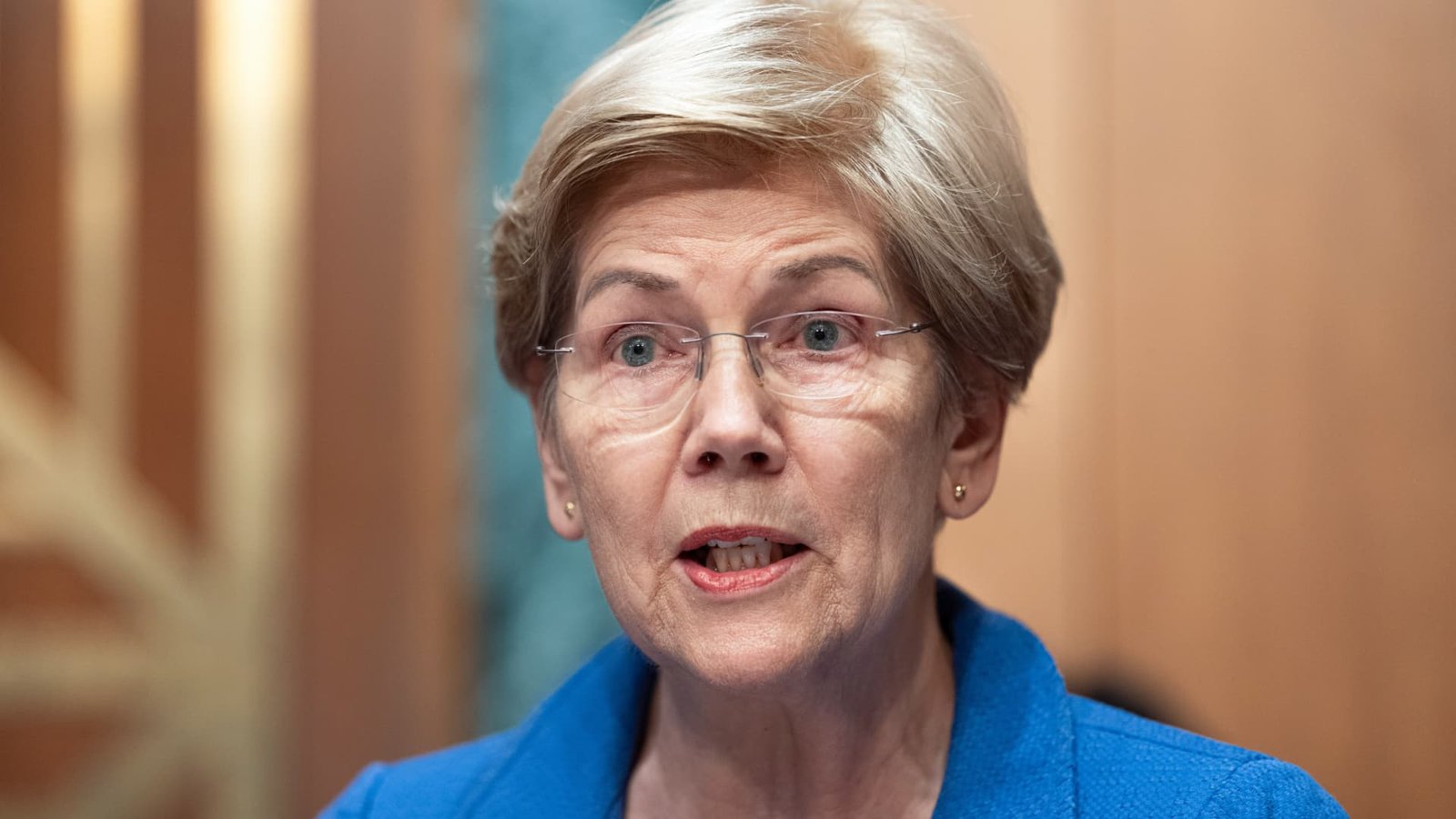
Senator Elizabeth Warren, a Democrat from Massachusetts and ranking member of the Senate Banking, Housing, and Urban Affairs Committee, during a hearing in Washington, DC, US, on Thursday, March 26, 2026.

Aaron Schwartz | Bloomberg | Getty Images

Sen. Elizabeth Warren sent a blistering letter to Federal Reserve chair nominee Kevin Warsh on Thursday, predicting he would serve as a “rubber stamp for President Trump’s Wall Street First Agenda,” and accusing him of having learned “nothing from your failures” during a prior stint at the central bank.

Warren, D-Mass, in the letter reported first by CNBC, told Warsh that his record as a member of the Fed’s Board of Governors from 2006 until 2011 — which included the 2008-09 financial crisis and Great Recession — “should disqualify you from a promotion.”

“But President Donald Trump has vowed that ‘anybody that disagrees with’ him ‘will never be the Fed Chairman,’ ” Warren noted.

“And you, apparently, have passed his test,” she added.

“As Fed Chair, you will be responsible for directing economy-altering policies that have serious
consequences for American workers and communities,” Warren wrote. “However, your track record leading up to, during, and after the 2008 financial crisis raises significant concerns about your ability to do so.”

The letter, which CNBC obtained before it was publicly released, asked Warsh pointed, detailed questions about 10 different subject areas to be answered for his confirmation hearing at the Senate Banking Committee, where Warren is the ranking Democrat.

But those queries were buried at the bottom of what reads as a scathing, eight-page indictment of his tenure at the Fed, and what she called his advocacy “against tougher safeguards intended to prevent big bank failures and taxpayer bailouts” after he left the central bank.

“I write to better understand what, if anything, you’ve learned from your failure to prioritize American families over Wall Street before, during, and after the 2008 financial crisis while serving as a member of the Board of Governors of the Federal Reserve System,” Warren said in the letter’s first sentence.

“Rather than implementing policies to improve the lives of the American public, you ignored the obviously excessive risk-taking on Wall Street; worked tirelessly to bail out large financial institutions after their bets blew up the economy; and advocated for policies that would have further harmed the millions of Americans who lost their jobs, were thrown out their homes, and saw their life savings evaporate,” she continued.

Warsh declined to comment on the letter.

Read more CNBC politics coverage

Warsh’s nomination is in limbo as Warren’s fellow Banking Committee member, Sen. Thom Tillis, R-N.C., has said he would effectively block the nomination from being considered by the full Senate until a criminal investigation of Fed Chair Jerome Powell is resolved.

Jeanine Pirro, the U.S. attorney for the District of Columbia, has indicated she has no intention of dropping that probe.

Pirro’s office is seeking to reverse a ruling on March 11 by a federal judge in Washington, blocking subpoenas issued to the Fed as part of its investigation of Powell, which is purportedly focused on cost overruns of the pricey renovation of the Fed’s headquarters and testimony about that project to the Banking Committee.

District Court Judge James Boasberg, in his order quashing those subpoenas, wrote, “There is abundant evidence that the subpoenas’ dominant (if not sole) purpose is to harass and pressure Powell either to yield to the President or to resign and make way for a Fed Chair who will.”

Trump has repeatedly, and unsuccessfully, pressured Powell and the entire Board of Governors to cut interest rates more quickly and deeply than they have since Trump reentered the White House in January 2025.

Powell earlier in March said he would remain as chair pro tem if Warsh is not confirmed by May, when Powell’s term as chair expires.

In her letter to Warsh on Thursday, Warren said that when he began his service on the Board of Governors, there were “warning signs of the coming crisis” in the subprime home-lending market.

“Yet rather than using the Fed’s powerful supervisory and regulatory authorities to address the severe consumer and financial stability risks posed by subprime mortgages, you defended and even implicitly promoted these products,” Warren wrote.

“Astonishingly, in December 2007, you agreed that “subprime mortgages have gotten a bad name
in this environment,” she wrote. “You also promoted derivatives and other forms of ‘financial innovation’ as vehicles to disperse risk and make the financial system safer.”

“Again, you were wrong.”

Warren said that during the resultant financial crisis, “you appear to have prioritized the interests of large financial institutions ahead of the American public.”

“Your eagerness to bail out Wall Street, including through taxpayer-assisted megamergers, was not surprising, given the seven years you spent as a Morgan Stanley mergers and acquisitions executive prior to joining the George W. Bush Administration,” Warren wrote.

“It has been well-documented that you played a central role helping to arrange numerous [multibillion-dollar] bailouts and even obtained an ethics waiver to deal directly with Morgan Stanley, which received the special regulatory approvals from the Fed on an expedited basis necessary to access additional emergency support.”

The senator said Warsh also advocated for higher interest rates at the time, “further imperiling an ailing economy” that was hemorrhaging jobs.

“Your monetary policy record shows a repeated failure to accurately assess the impact of inflation on the American economy,” Warren wrote.

“It appears you have learned nothing from your failures,” she wrote.

“Since leaving the Fed, you have advocated against tougher safeguards intended to prevent big bank failures and taxpayer bailouts.”

— CNBC’s Matt Peterson contributed to this article.

Choose CNBC as your preferred source on Google and never miss a moment from the most trusted name in business news.


Source link

Stocks making the biggest moves after hours: WS, KRMN, MLKN


Source link