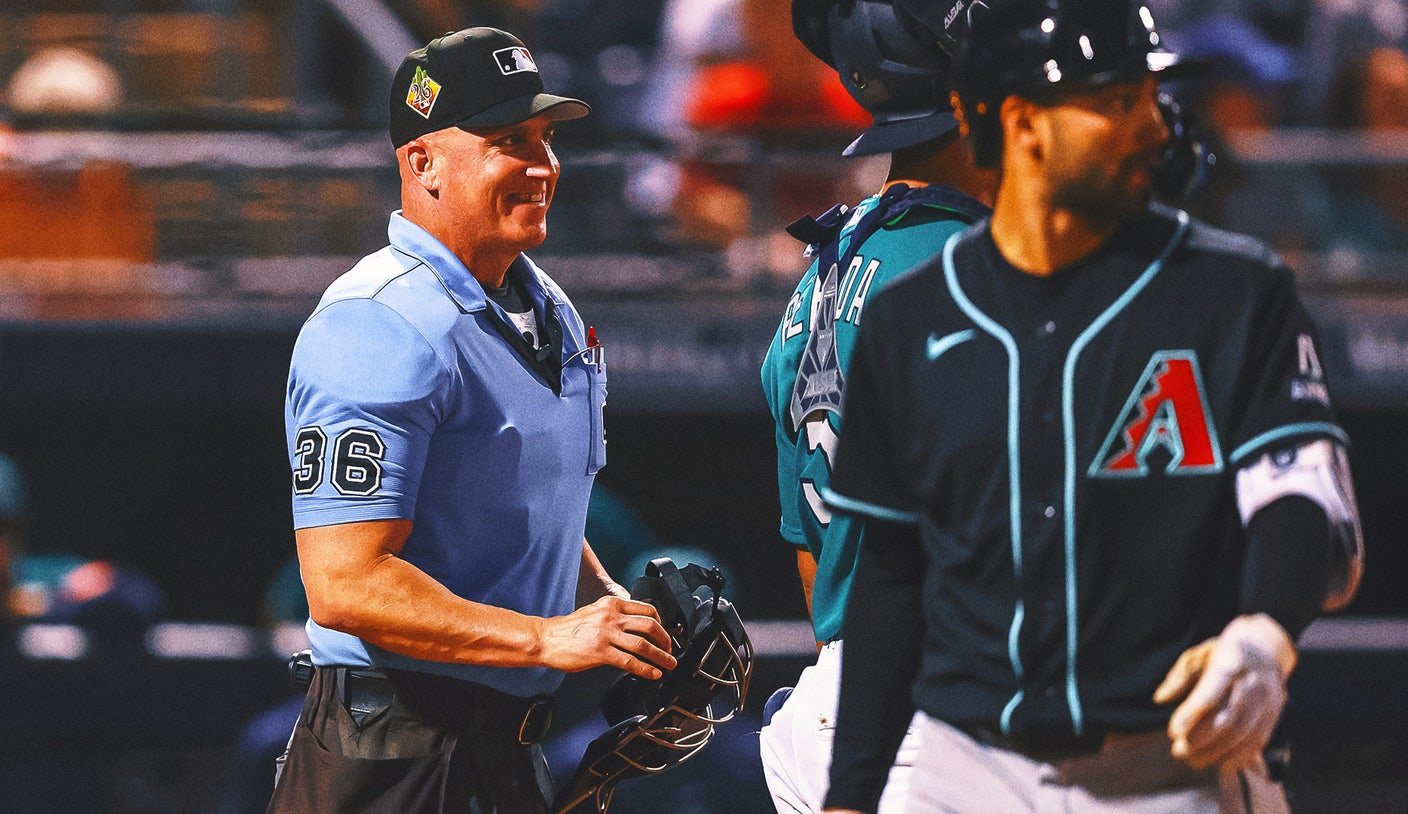
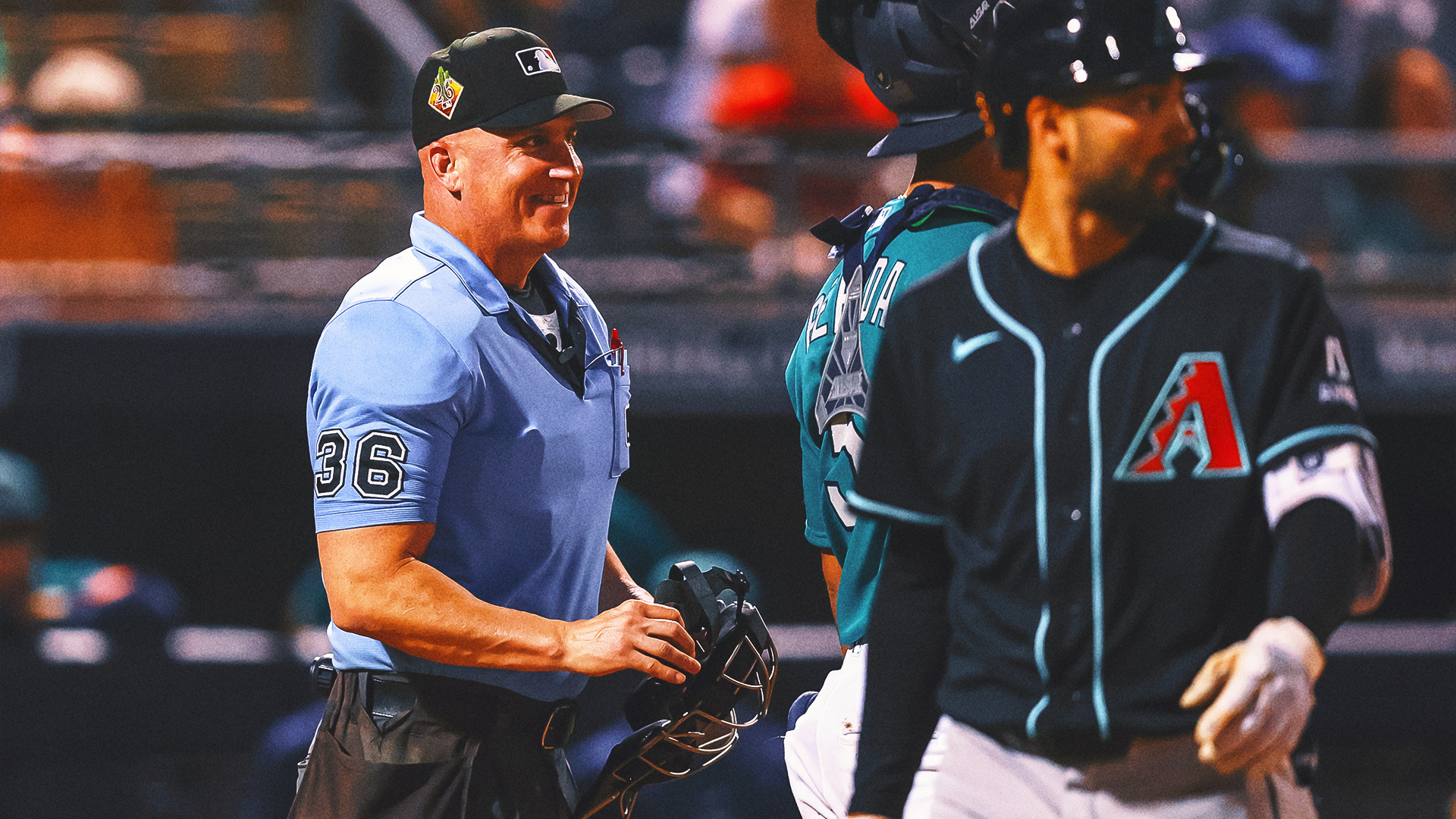
MLB Automated Ball-Strike System Sees 61% Success Rate in Opening Games


Terry Francona had every reason not be a fan of the Automated Ball-Strike System, after the Cincinnati Reds‘ 3-0 loss to the Boston Red Sox on Thursday.

However, the longtime manager was taking the long view after game one of 162.

Francona saw a walk by Eugenio Suarez on a full count overturned to a strikeout in the fourth inning while Connor Phillips‘ ninth-inning strikeout of Boston’s Roman Anthony — also on a full count — overturned to a walk.

“I think our pitchers are going to have to get used to thinking the inning might be over, and it’s not,” Francona said. “It’s almost like when a guy comes out and you say, ‘Hey, way to go. Can you get one more?’ So you’re going to have to stay dialed in.”

Teams had a 61.3% success rate on challenges, going 19 of 31 through the first 12 games of the regular season.

Using Hawk-Eye technology, 12 cameras measure whether a pitch crosses the strike zone with accuracy of about one-sixth of an inch.

Red Sox manager Alex Cora was pleased after they were 2 of 3 on challenges. Even though there was one challenge he wished one of his hitters would have made.

Trevor Story was up with two outs and runners on first and second in the fifth inning. Story was caught looking on a fastball by Andrew Abbott that looked to be a ball.

“You just have to make sure. There was one early where Trevor is in that situation again, he’d probably challenge,” Cora said. “We thought the pitch was up. We don’t mind him challenging there because it changes the whole thing, right? We were talking about it. It’s a different ballgame now.”

The Red Sox did have a successful challenge in the bottom of the inning when Garrett Crochet’s cutter just got the lower half of the strike zone against Suárez. Instead of Suárez drawing a walk, catcher Carlos Narvaez’s challenge resulted in the third out of the inning.

“He made a really good pitch right there. I thought it stayed down and it was a ball, but with the new ABS, good for him,” Suárez said.

[More MLB: A Three-Peat In Sight But Dodgers Aren’t Thinking October … Yet]

Anthony’s challenge paid off. Instead of the third out of the inning and a strikeout, it was overturned to a walk and put runners at first and second. Story and Jarren Duran followed with RBI singles to give the Red Sox a 3-0 lead.

“I knew it was a ball. I was pretty confident,” Anthony said. “It turned the game around in a sense. It was good to turn that around, get on base and score there. I trust my instincts and discipline at the plate. I’ve had many in the past, up, down, in and out. That was a good example. Probably not even close. Just kind of knew it there.”

Pittsburgh’s Oneil Cruz became the first batter to have a ball four overturned to strike three during the third inning against the Mets. New York catcher Francisco Alvarez challenged and it showed the pitch caught the inside corner. The Mets were 2 for 3 on their challenges.

Minnesota and the Chicago White Sox both went 3 for 4 on their challenges, while Tampa Bay was 2 for 2.

Phillies reliever Zach Pop failed his team’s first challenge in the eighth inning against Texas’ Brandon Nimmo. Pop challenged James Hoye’s ball four call but it was confirmed on replay and Nimmo walked.

Manager Rob Thomson didn’t mind the challenge.

“I was good with it. It was a 10th of an inch off. That pitch decided an at-bat late in the game, we’ve got the lead. On the defensive side you want to use that challenge,” he said.

Reporting by The Associated Press.



Source link

The firm whose AI paper knocked the whole market is out with another big call


A trader works on the floor at the New York Stock Exchange (NYSE) in New York City, U.S., March 23, 2026.

Brendan McDermid | Reuters

Citrini Research, the firm that rattled markets earlier this year with a provocative bearish call on artificial intelligence, is out with another warning — this time arguing an oil-driven slowdown could send equities lower.

Founder James van Geelen said persistently high energy prices risk weighing on consumers and corporate earnings, creating a backdrop where stocks struggle even as the Federal Reserve eventually pivots toward rate cuts.

“If the war doesn’t end, equities will go lower,” van Geelen wrote in a Substack post early Wednesday, pointing to geopolitical tensions as a key driver of sustained oil strength.

Stocks recouped some of the losses Wednesday following reports that the U.S. has given Iran a plan to bring the conflict to an end, sending crude prices tumbling. However, the two countries appear to be very far apart, with Tehran turning down the U.S.’s ceasefire offer and demanding sovereignty over the Strait of Hormuz.

The latest call builds on Citrini’s growing reputation for contrarian macro views. In February, the firm published a widely circulated note arguing that the AI boom itself could ultimately hurt the economy, pushing unemployment as high as 10% if white-collar jobs are replaced by machines.

Slowdown ahead?

The core of Citrini’s current thesis is that elevated oil prices act as a tax on growth, eroding purchasing power and tightening financial conditions without the Fed needing to take further action. With policy rates already near neutral, van Geelen argued that simply holding rates steady would be restrictive enough as the energy shock filters through the economy.

“We live in a different world now, rates are close to neutral,” he wrote. “If oil stays high, it would be restrictive enough simply to leave them where they are while oil prices filter through the rest of the economy and cause a slowdown.”

That dynamic leaves equities particularly vulnerable, he said. Even in a scenario where geopolitical tensions ease quickly, Citrini sees limited upside for stocks. Consumers would still emerge “slightly weaker” after absorbing higher fuel costs, dampening the strength of any rebound, he said.

The firm’s view also challenges a common bullish narrative that rate cuts would provide a backstop for equities. Instead, van Geelen suggests any eventual easing would likely come in response to deteriorating growth, a backdrop historically associated with further equity declines rather than sustained rallies.

“The Fed knows that raising rates isn’t going to magically make more oil supply,” he wrote, arguing policymakers are more likely to “look through” the shock before ultimately cutting rates as conditions worsen.

Choose CNBC as your preferred source on Google and never miss a moment from the most trusted name in business news.


Source link

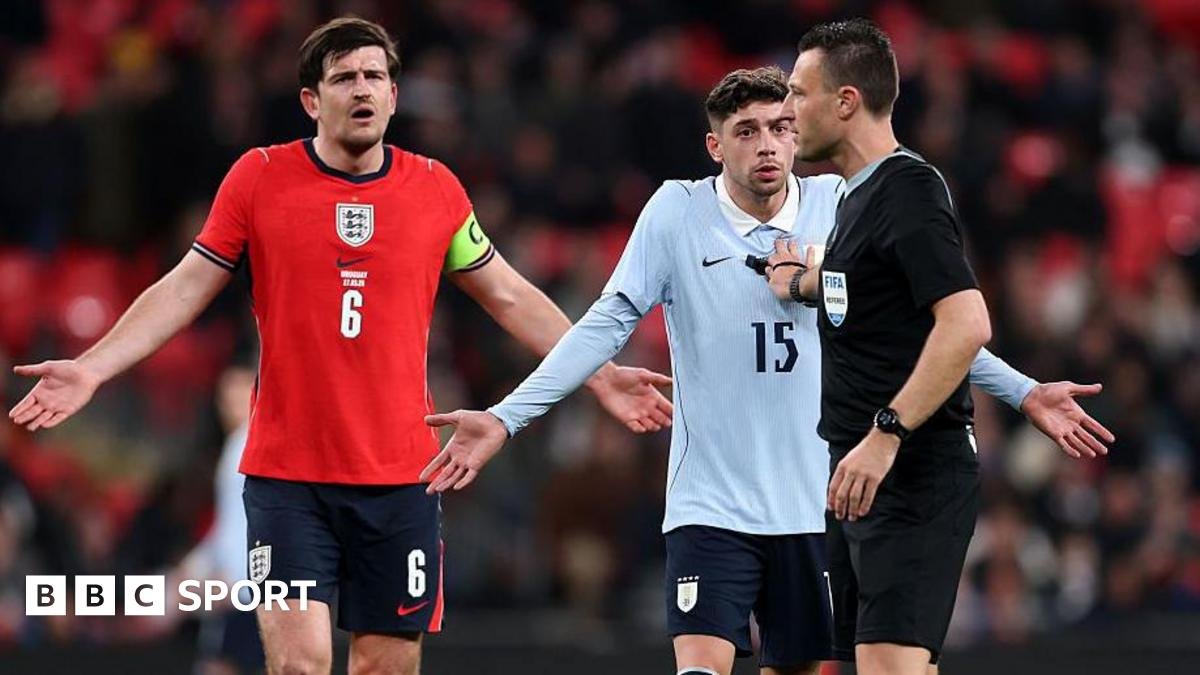
England 1-1 Uruguay: Thomas Tuchel questions ‘bad day at office’ for officials


On a night of bizarre incidents, two of them centred around the goals.

White bundled home England’s opener from a corner, but there was a check by the video assistant referee (VAR) with Adam Wharton appearing to block Gimenez in the build-up.

Former Arsenal striker Ian Wright said on ITV: “Come the World Cup, they’d probably look at that and give it as a foul.”

USA Women head coach Emma Hayes added: “VAR was on and off tonight. I think nine times out of 10 blocking someone off like that is a foul and I was surprised it wasn’t given.”

Then came Uruguay’s equaliser.

White and Federico Vinas came together inside the box – and the referee originally allowed play to continue. But he was asked to go to the monitor by VAR after which he awarded a penalty that Valverde scored.

“I think the referee was in a very good position when he gave the initial decision,” former Tottenham goalkeeper Paul Robinson said on BBC Radio 5 live.

“That’s nothing more than clumsy from White. There is connection but he got the ball first. One of those decisions where if it’s not given on field you don’t interfere.”


Source link

Micron rides memory price spike into earnings with stock up 62%


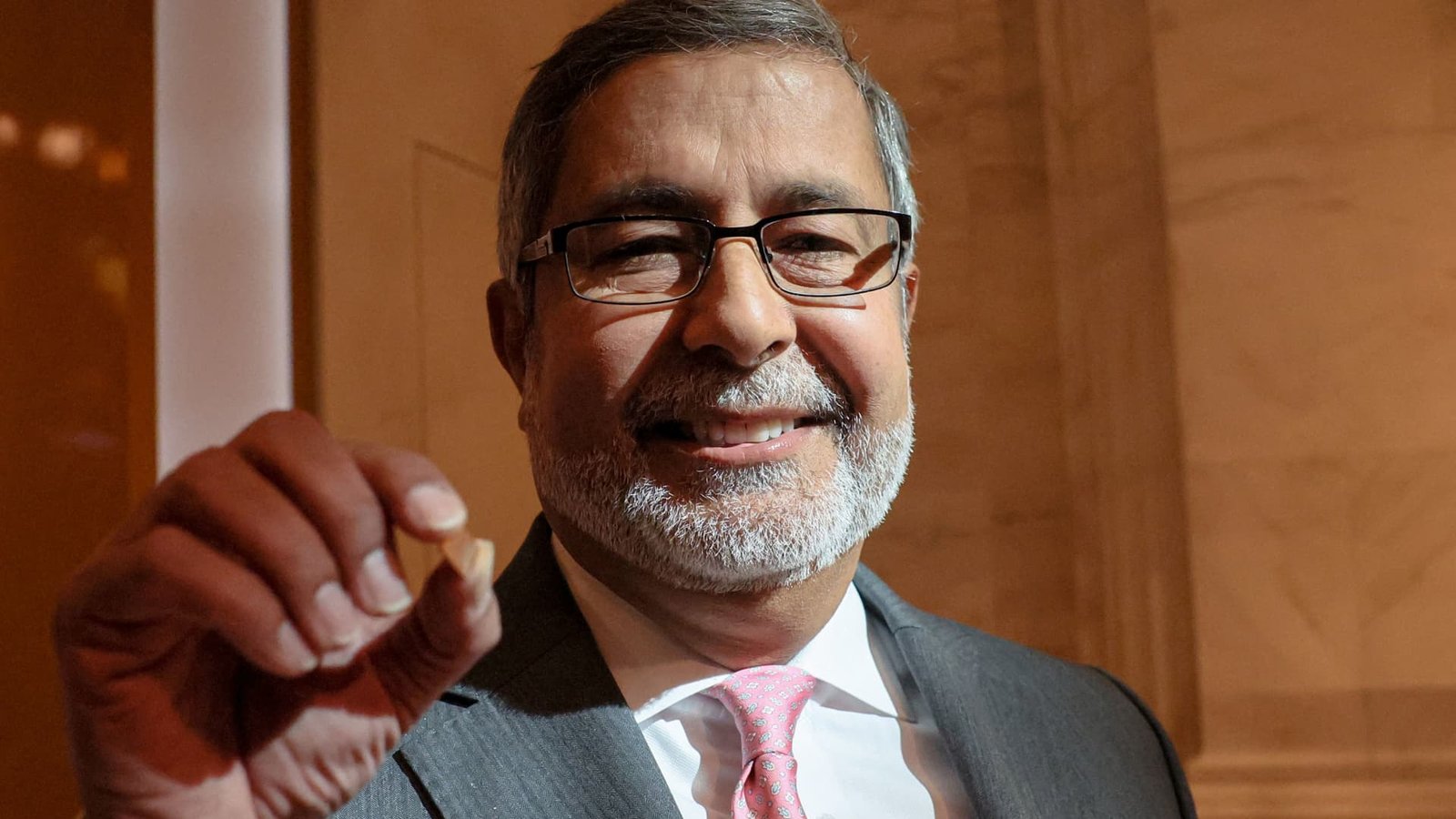
Sanjay Mehrotra, president and chief executive officer of Micron Technology Inc., during a groundbreaking ceremony for the new Micron Technology Inc. semiconductor manufacturing facility in Clay, New York, US, on Friday, Jan. 16, 2026.

Heather Ainsworth | Bloomberg | Getty Images

Micron saw its stock triple in 2025, and it’s up nearly 62% so far in 2026, as heavy demand for memory-rich Nvidia artificial intelligence chips leads to shortages.

The memory crunch that’s boosted Micron has been bad news for many of its tech peers, which are dealing with higher prices as they try to secure critical components. Among the 10 most valuable U.S. tech companies, Micron is the only one up this year. The rally has elevated Micron’s market cap to $520 billion, passing Oracle, which is now worth $445 billion.

Micron will issue fiscal second-quarter results after the close on Wednesday, with analysts expecting 148% year-over-year revenue growth, according to LSEG. Executives will discuss the results with analysts on a conference call starting at 4:30 p.m. ET.

The memory chip shortage is showing no sign of letting up, as the tech industry’s biggest names spend record amounts to keep up in the AI race.

“Memory is a key enabler of AI,” Micron CEO Sanjay Mehrotra told CNBC’s Sara Eisen in January. “It is a strategic asset today, not like just a component in the system. And so we need it. Just like your brain, you need more memory. You need faster memory.”

Amazon and Google, which buy large quantities of Nvidia chips and rent them out through cloud services, have been ratcheting up their forecasts for capital expenditures.

Cloud providers need racks full of Nvidia’s Vera Rubin graphics processing units in their data centers, and each system requires large amounts of memory.

First look at Nvidia's Vera Rubin AI system — 1.3 million components and 10 times more efficient

An Nvidia Vera Rubin NVL72 system uses roughly three times the dynamic random access memory, or DRAM, as the Grace Blackwell GB300 NVL72 rack, RBC analysts wrote in a note Sunday. A single Rubin Ultra graphics processing unit will have a terabyte of high-performance HBM4e memory, more than three times that of one Rubin GPU.

Nvidia CEO Jensen Huang said Monday at his company’s GTC conference that he sees $1 trillion in purchase orders through 2027 for Blackwell and Vera Rubin GPUs.

All that GPU buying is boosting Micron, which indicated in December that it’s sold out of high-bandwidth memory for 2026.

At Nvidia’s GTC, Tae-won Chey, chairman of the parent of Micron rival SK Hynix, said the memory shortage will continue for another four or five years, Bloomberg reported.

Analysts polled by StreetAccount are projecting that Micron’s average DRAM selling prices climbed almost 32% from the previous quarter during the fiscal second quarter.

For the fiscal third quarter, analysts surveyed by StreetAccount are anticipating an adjusted gross margin of more than 71%, with $23.80 billion in revenue, which would be up nearly 156%.

Memory for PCs

The stockpiling of GPUs has sent memory prices for other products ripping higher. Tech industry analysis firm TrendForce said in a February report that PC DRAM contract prices “surged significantly this quarter.”

Analysts at RBC wrote that blended DRAM pricing is set to jump 80% to 85% in the first quarter of 2026, according to TrendForce data.

PC sales could fall as a result.

Last week, industry researcher IDC lowered its forecast for PC sales, expecting a decline of 11.3% this year, compared with the firm’s November estimate of a 2.4% drop in 2026.

IDC also sees smartphone shipments falling 12.9% this year.

“Memory shortages will persist well into 2027,” IDC research manager Jitesh Ubrani said in a statement.

Dell has also warned of the spike in memory costs, with operating chief Jeff Clarke telling analysts on the company’s February earnings call that the cost of DRAM has climbed 5½ times in the past six months, while NAND flash memory for long-term storage is four times higher.

“We’re working with our memory partners to be as flexible and as agile as possible,” Clarke said. “We are working through things of: How do we minimize our complexity? How do we improve our mix? How do we sell what’s coming? How do we improve our designs to take whatever parts that are available?”

Micron is taking steps to increase supply, but some of that build is a ways off.

In January, the company held a groundbreaking ceremony in upstate New York at the future site of up to four fabrication plants. The next month, it opened an assembly and test facility in India to turn memory wafers into finished products.

WATCH: RBC’s Pajjuri on Micron: Pricing will remain through the year and into next

RBC's Pajjuri on Micron: Pricing will remain through the year and into next
Choose CNBC as your preferred source on Google and never miss a moment from the most trusted name in business news.


Source link

Cubs World Series Champion, Braves Star Jason Heyward Announces MLB Retirement


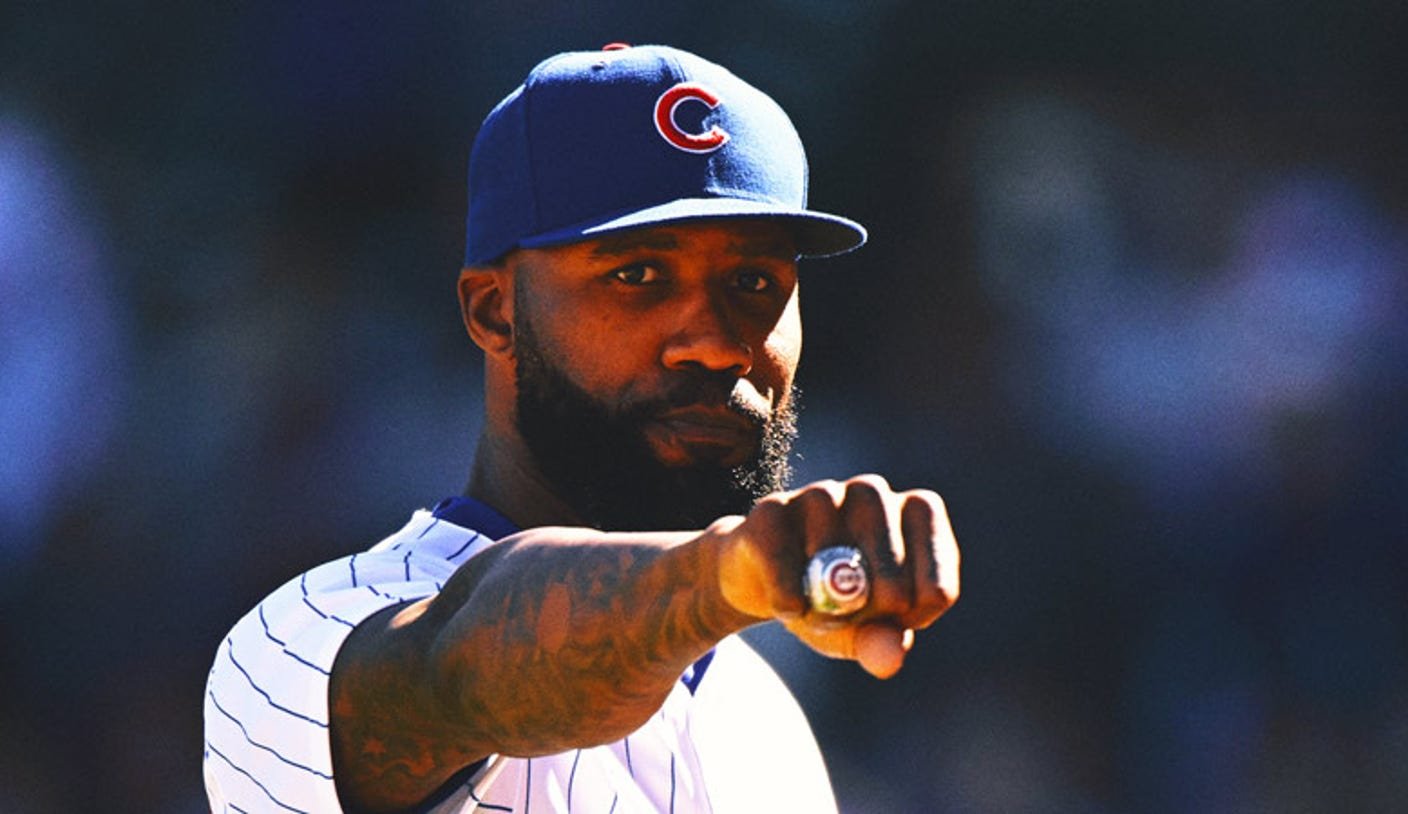
Jason Heyward, who launched his 16-year major-league career with the Atlanta Braves in 2010 and won a World Series title with the Chicago Cubs in 2016, announced his retirement on Friday.

Heyward played in 34 games with the San Diego Padres in 2025, hitting .176.

For his career, Heyward hit .255 with 186 home runs with six teams. He also played for the St. Louis Cardinals, Houston Astros and the Los Angeles Dodgers. The outfielder won five Gold Gloves, including four straight seasons from 2014 through 2017.

Heyward, whose nickname is “J Hey,” played his first five seasons with the Braves and set career highs with 27 homers and 82 RBIs for Atlanta in 2012. He was drafted by the Braves in 2007 from Henry County High School in suburban Atlanta.

Heyward played for the Cubs for seven seasons, from 2016 through 2022. He said he plans to focus on his Jason Heyward Baseball Academy, a youth development program based in Chicago.

“I wanted to reach this moment and know without a doubt that it was time to walk away, and I do,” Heyward said in a statement. “No second-guessing, no looking back, just gratitude.”

Heyward said playing 16 years in the major leagues “gave me everything, and now I get to give some of that back. Through the Jason Heyward Baseball Academy, I get to mentor the next generation, keep my hands in the game, and make sure kids in my community have the opportunities and the space to dream the same way I did.”

Reporting by The Associated Press.


Source link

TripAdvisor board shakeup could drive up shares, Bank of America says


Source link

Underdog Promo Code FOXSPORTS: Play $5, Get $50 in Bonuses Ahead of Tonight’s College Basketball Schedule


This page may contain affiliate links to legal sports betting partners. If you sign up or place a wager, FOX Sports may be compensated. Read more about Sports Betting on FOX Sports.

Tonight’s college basketball slate is loaded with high-stakes matchups, making it the perfect time to get involved with the Underdog promo code FOXSPORTS, where new users can play $5 and get $50 in bonuses ahead of the action.

St. John’s will have their hands full with Cameron Boozer and top-seeded Duke, while Alabama looks to punch its ticket back to the Elite 8—but the 1-seed Michigan won’t make it easy. UConn aims for another deep run, but Michigan State could have something to say about that, and Tennessee faces a tough test against Iowa State in a battle where every possession matters.

New users can take advantage of the Underdog promo code FOXSPORTS to play $5, get $50, and get in on all the intensity as teams fight for a spot in the Elite 8.

Underdog

 Claim the Underdog Bonus Code

  1. Click here or on any “Claim Bonus” button on this page to go directly to Underdog Fantasy (bonus code FOXSPORTS applied automatically).
  2. Register your account: provide full name, email, date of birth, address, and last 4 of SSN to verify eligibility.
  3. Enter promo code ‘FOXSPORTS’ to lock in the welcome offer.
  4. Deposit at least $10 using PayPal, debit card, or online banking.
  5. Play $5 in pick’em or sportsbook markets.
  6. Once the entry/first wager settles, Underdog credits $50 in bonus cash (usable across DFS or sportsbook).

5-seed St. John’s Red Storm vs. 1-seed Duke Blue Devils – Game Details

  • Matchup: St. John’s 30-6 (21-2 Big East) vs. Duke 34-2 (20-1 ACC).
  • Location: Washington; Friday, 7:10 p.m. EDT.
  • Betting Line: Duke -6.5; O/U 141.5.
  • Conference Success – Duke: 20-1 in ACC play; 14-1 in non-conference games.
  • Rebounding Edge – Duke: Averaging 37.5 rebounds, led by Cameron Boozer (10.3).
  • Scoring Margin – St. John’s: Averaging 81.1 PPG, outscoring opponents by 11.7 per game.
  • Scoring Advantage – Duke: Averaging 81.9 PPG, 12.5 more than St. John’s allows (69.4).
  • Three-Point Shooting – St. John’s: 7.1 made threes per game, 0.9 fewer than Duke allows.

Top Performers

  • Cameron Boozer (DUKE): 22.4 PPG, 10.3 RPG, 4.0 APG.
  • Isaiah Evans (DUKE): 15.7 PPG (last 10 games).
  • Oziyah Sellers (SJU): 10.5 PPG, 1.4 3PT, 35.4% 3PT.
  • Zuby Ejiofor (SJU): 17.2 PPG, 57.7% FG (last 10 games).

Last 10 Games

  • Blue Devils: 10-0, 79.3 PPG, allowing 62.8 PPG, shooting 45.8%.
  • Red Storm: 9-1, 73.5 PPG, allowing 62.5 PPG, shooting 43.1%.

4-seed Alabama Crimson Tide vs. 1-seed Michigan Wolverines – Game Details

  • Matchup: Alabama 25-9 (13-6 SEC) vs. Michigan 33-3 (21-2 Big Ten).
  • Location: Chicago; Friday, 7:35 p.m. EDT.
  • Betting Line: Michigan -9.5; O/U 172.5.
  • Conference Success – Michigan: 21-2 in Big Ten play; 12-1 in non-conference games.
  • Playmaking – Michigan: Averaging 18.8 assists, led by Elliot Cadeau (5.7).
  • Playmaking – Alabama: Averaging 16.4 assists, led by Labaron Philon (5.0).
  • Three-Point Shooting – Michigan: 9.2 made threes per game, 1.1 more than Alabama allows (8.1).
  • Scoring Advantage – Alabama: Averaging 91.0 PPG, 22.0 more than Michigan allows (69.6).

Top Performers

  • Yaxel Lendeborg (MICH): 14.7 PPG, 6.9 RPG.
  • Trey McKenney (MICH): 1.6 3PT (last 10 games).
  • Labaron Philon (ALA): 21.6 PPG, 3.4 RPG, 5.0 APG.
  • Latrell Wrightsell Jr. (ALA): 14.5 PPG (last 10 games).

Last 10 Games

  • Wolverines: 8-2, averaging 79.2 PPG, allowing 71.7 PPG, shooting 50.3%.
  • Crimson Tide: 8-2,  averaging 91.0 PPG, allowing 81.4 PPG, shooting 46.6%.

3-seed Michigan State Spartans vs. 2-seed UConn Huskies – Game Details

  • Matchup: Michigan State 27-7 (15-6 Big Ten) vs. UConn 31-5 (19-4 Big East).
  • Location: Washington; Friday, 9:45 p.m. EDT.
  • Betting Line: UConn -1.5; O/U 134.5.
  • Conference Success – UConn: 19-4 in Big East play; 12-1 in non-conference games.
  • Playmaking – UConn: Averaging 18.4 assists, led by Silas Demary Jr. (6.1).
  • Three-Point Shooting – UConn: 8.2 made threes per game, 0.4 fewer than Michigan State allows (8.6).
  • Scoring Advantage – Michigan State: Averaging 79.3 PPG, 14.2 more than UConn allows (65.1).
  • Perimeter Efficiency – Michigan State: Shooting 36.5% from three (4th in Big Ten).

Top Performers

  • Tarris Reed Jr. (UCONN): 14.2 PPG, 62.8% FG.
  • Alex Karaban (UCONN): 2.0 3PT (last 10 games).
  • Jaxon Kohler (MSU): 12.6 PPG, 9.0 RPG.
  • Jeremy Fears Jr. (MSU): 15.7 PPG (last 10 games).

Last 10 Games

  • Huskies: 7-3, 72.9 PPG, allowing 64.8 PPG, shooting 46.2%.
  • Spartans: 7-3, 79.6 PPG, allowing 75.0 PPG, shooting 48.2%.

6-seed Tennessee Volunteers vs. 2-seed Iowa State Cyclones – Game Details

  • Matchup: No. 23 Tennessee 24-11 (12-8 SEC) vs. No. 6 Iowa State 29-7 (14-7 Big 12).
  • Location: Chicago; Friday, 10:10 p.m. EDT.
  • Betting Line: Iowa State -3.5; O/U 138.5.
  • Tournament Context: Sweet 16 matchup in the NCAA Tournament.
  • Conference Success – Iowa State: 14-7 in Big 12 play; 15-0 in non-conference games.
  • Blowout Margin – Iowa State: 25-3 in games decided by 10+ points.
  • Rebounding Edge – Tennessee: Averaging 39.2 rebounds, led by Nate Ament (6.4).
  • Field Goal Efficiency – Iowa State: Shooting 49.0%, 8.3% higher than Tennessee allows (40.7%).
  • Scoring Advantage – Tennessee: Averaging 79.4 PPG, 14.1 more than Iowa State allows (65.3).

Top Performers

  • Milan Momcilovic (ISU): 17.2 PPG, 3.7 3PT, 49.1% 3PT.
  • Joshua Jefferson (ISU): 16.4 PPG, 7.4 RPG, 4.8 APG, 1.6 SPG (last 10 games).
  • Ja’Kobi Gillespie (TENN): 18.4 PPG, 5.6 APG, 2.1 SPG.
  • Nate Ament (TENN): 1.1 3PT (last 10 games).

Last 10 Games

  • Cyclones: 6-4, 79.6 PPG, allowing 67.2 PPG, shooting 45.3%.
  • Volunteers: 6-4, 75.3 PPG, allowing 68.5 PPG, shooting 45.3%.


Get more from the Betting Follow your favorites to get information about games, news and more


Source link

Radio 4 – Listen Live


A federal judge has temporarily blocked the Trump administration from making big changes to vaccines for children in the United States. It’s a blow to Health Secretary Robert F Kennedy – RFK Jr – a longtime vaccine sceptic who was given free rein by Donald Trump to “go wild with health”.

Since taking office a year ago, Kennedy has sought to slash the number of recommended shots for children from 17 to 11. The American Academy of Paediatrics and other large medical groups have sued, saying Kennedy’s changes violate federal law and are based on ideology instead of science.

In this episode, Marianna and Justin unpack what this means for Donald Trump’s big plan
to – as he puts it – “Make America Healthy Again” with Dr Debra Houry, the former director of the CDC (Centre of Disease Control and Prevention) who resigned in August 2025.

HOSTS:
• Justin Webb, Radio 4 presenter
• Marianna Spring, Social Media Investigations Correspondent

GUEST:
• Dr Debra Houry, former Medical Director of the Centres for Disease Control and Prevention

GET IN TOUCH:
• Join our online community: https://discord.gg/qSrxqNcmRB
• Send us a message or voice note via WhatsApp to +44 330 123 9480
• Email Americast@bbc.co.uk
• Or use #Americast

APPLY FOR CASTFEST TICKETS: https://www.bbc.co.uk/showsandtours/shows/castfest-2026

This episode was made by Emma Close and Alix Pickles. The technical producer was Mike Regaard. The series producer is Purvee Pattni. The senior news editor is Sam Bonham.

If you want to be notified every time we publish a new episode, please subscribe to us on BBC Sounds by hitting the subscribe button on the app.

You can now listen to Americast on a smart speaker. If you want to listen, just say “Ask BBC Sounds to play Americast”. It works on most smart speakers.

US Election Unspun: Sign up for Anthony’s BBC newsletter: https://www.bbc.co.uk/news/world-us-canada-68093155

Americast is part of the BBC News Podcasts family of podcasts. The team that makes Americast also makes lots of other podcasts, including Newscast. If you enjoy Americast (and if you’re reading this then you hopefully do), then we think that you will enjoy some of our other pods too. See links below.

Newscast: https://www.bbc.co.uk/sounds/series/p05299nl
Radical: https://www.bbc.co.uk/sounds/brand/p0gg4k6r
The Global Story: https://www.bbc.co.uk/sounds/brand/w13xtvsd
Top Comment: https://www.bbc.co.uk/sounds/brand/m001mssm

Programme Website


Source link