




ChatGPT is getting a teen version, and I have a lot of questions
Digital Trends
Whether you like it or not, ChatGPT is already everywhere. People use it to research complicated topics, clean up their writing, learn new skills, plan their lives, and, in my case, ask an embarrassing number of questions I could have figured out myself. Teenagers are no exception. In fact, OpenAI says nearly nine in 10 teens who use ChatGPT turn to it to learn, find information, develop skills, or get things done during a typical week. So rather than pretending students aren’t going to use AI, OpenAI is taking a different approach: give them a version built specifically for them. The company has announced ChatGPT for Teens, a new experience for users between 13 and 17 that’s designed around learning, healthier usage habits, and significantly stronger safety protections.
ChatGPT wants to teach, not just hand over the answer
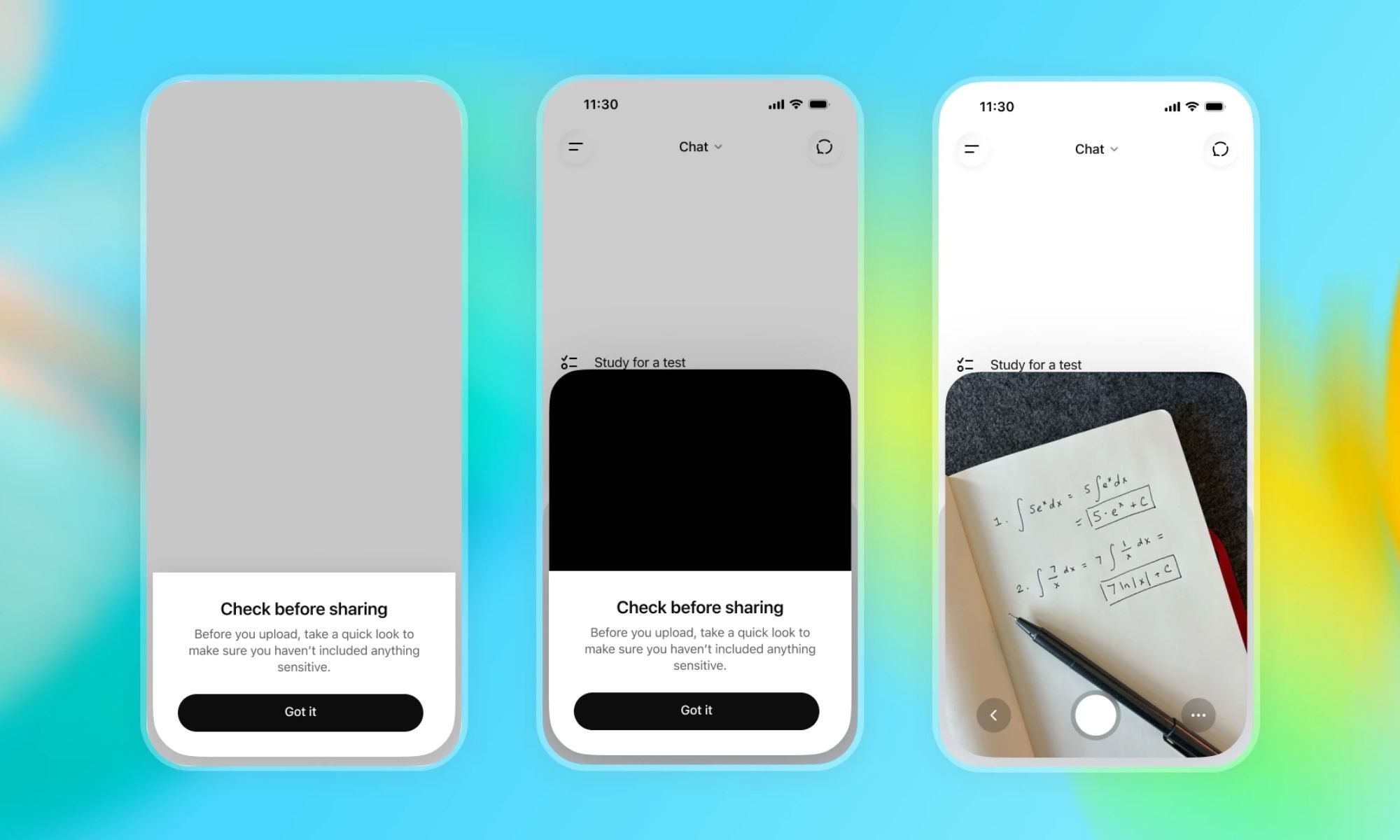
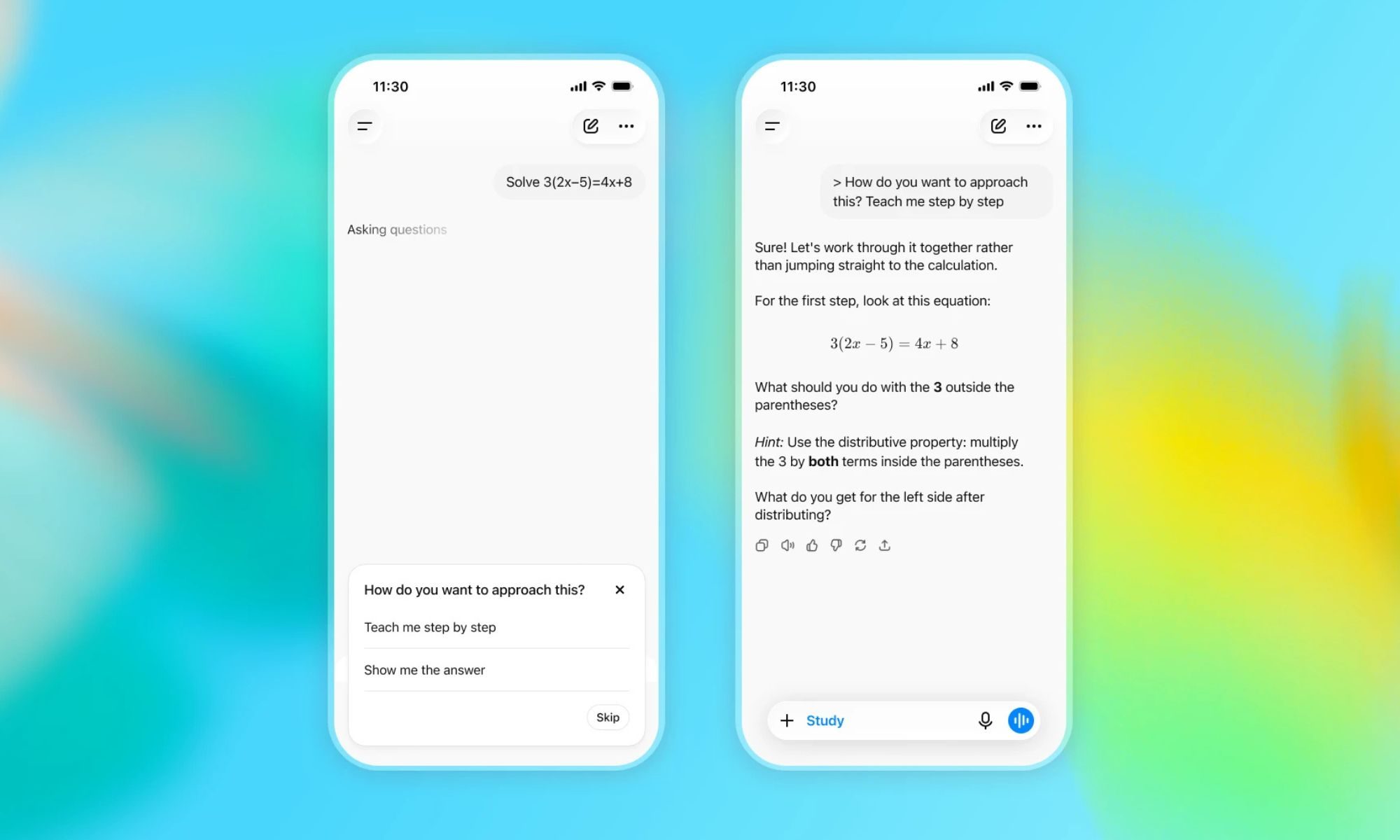
What interests me most is how OpenAI is approaching homework. Imagine you’re preparing for an exam and calculus has suddenly decided to ruin your evening. Instead of asking ChatGPT for the answer and copying it into your notebook, the teen experience is designed to walk you through the problem, explain the concept you don’t understand, and then help check whether you’ve actually understood it. That’s a much healthier role for AI in education. ChatGPT for Teens brings together features such as Study Mode, quizzes, learning visualizations, homework reminders, and dedicated study hours. The idea is to make ChatGPT more like an always-available study companion.
OpenAI is pushing that idea outside ChatGPT, too. The company has announced a partnership with CodeAI to give students and teachers resources for developing AI literacy. Instead of simply teaching students how to prompt a chatbot, the initiative is meant to help them understand how AI works, question what it produces, direct it effectively, and eventually use it to build things themselves. That distinction matters. Today’s teenagers aren’t going to enter a world where AI suddenly disappears after graduation. Learning when to trust it, when to challenge it, and when not to use it could be just as important as learning how to use it in the first place.
Helpful? Absolutely. Human? Let’s not get carried away
Of course, once you put a powerful AI chatbot in front of teenagers, safety becomes a much bigger part of the conversation. OpenAI is putting stricter guardrails around accounts for users under 18, particularly when it comes to sensitive topics such as graphic violence, dangerous activities, unhealthy dieting, extreme beauty standards, and sexual or romantic roleplay. Another equally important part is that it is also setting boundaries around how ChatGPT interacts with teens on a more personal level. The chatbot shouldn’t encourage emotional dependence, pretend it has real feelings, or make users believe there’s a human-like consciousness behind those responses. It might sound like a small detail, but think about how natural these conversations have become. When an AI can talk back instantly, remember the context of a conversation, and respond at 2 AM when nobody else is awake, it can be easy to forget that you’re still talking to software.
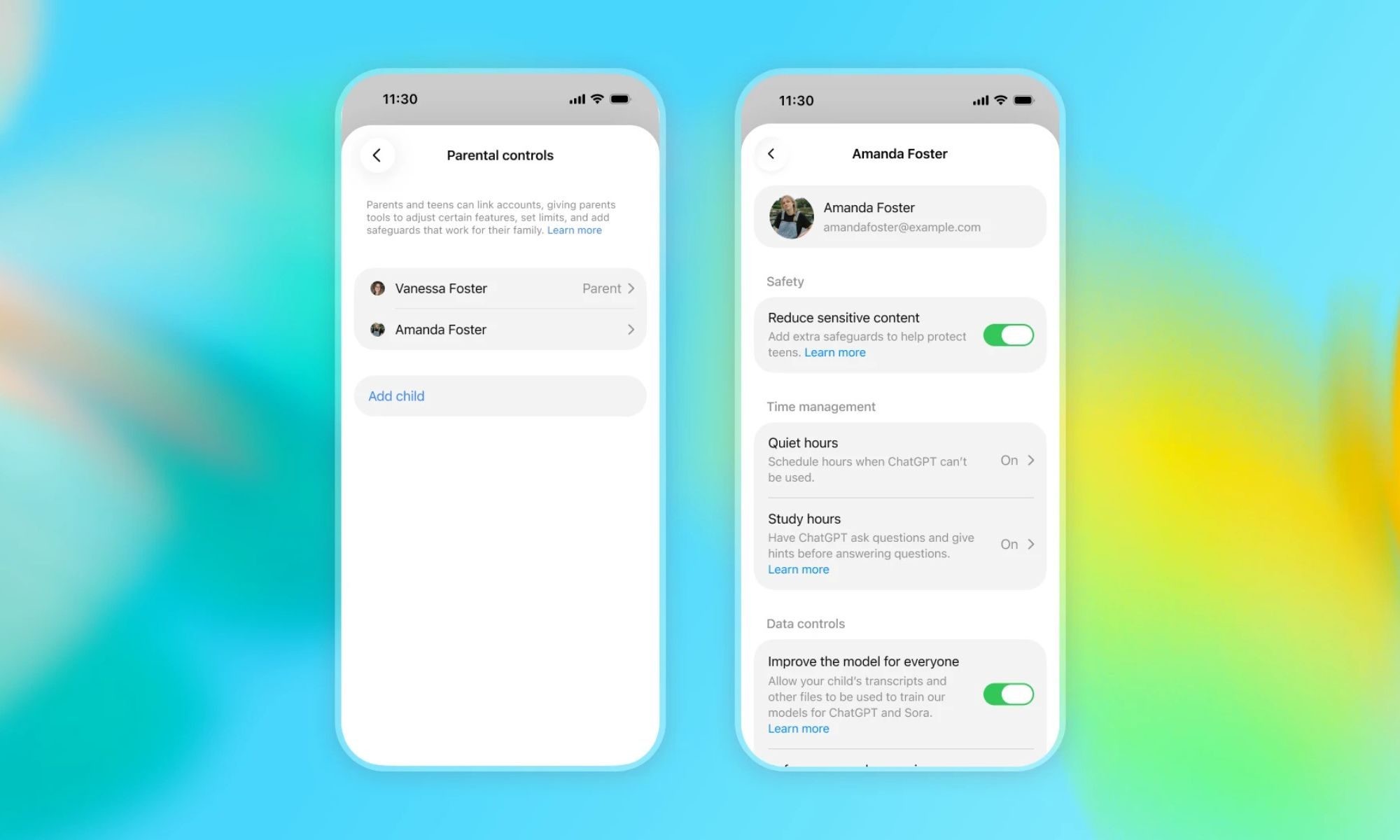
The company is adding a few smaller reminders to reinforce that distinction. Teens will be warned before uploading potentially private or sensitive images, while a dedicated onboarding experience will explain the learning and safety tools available to them. There are also break reminders encouraging teens to put ChatGPT down occasionally. They can still make the experience feel more personal by changing things like the accent color or voice, but ChatGPT is still supposed to make it clear that it’s AI. Parents get some controls as well. With linked accounts, they can manage certain settings and set Quiet Hours. In a limited number of higher-risk situations, they may also receive safety notifications intended to help them step in when offline support could be useful.
I’m cautiously optimistic, with a very big asterisk
While this feels like a step in the right direction, OpenAI still has plenty of work to do, especially when teenagers are using ChatGPT. We’ve already seen serious concerns around AI-generated deepfakes, people turning to chatbots during moments of emotional distress, and conversations that probably need a trusted person on the other end rather than an AI model.
That also leaves me wondering how comfortable parents will actually feel with all of this. Will these safeguards be enough for them to trust ChatGPT with their teenagers? I’m not entirely convinced yet. Still, AI is quickly becoming part of how younger people learn, communicate, and create. Keeping them completely away from it probably isn’t realistic anymore. Helping teens understand how to use AI responsibly while knowing when to put it down and turn to a real person instead may ultimately be the more important lesson.
ChatGPT is getting a teen version, and I have a lot of questions
Source link