


Full body MOTs – the future of healthcare or a headache for the NHS?
BBC News
Mehvish says nothing could have prepared her for what she was told after her full body scan. She left Birmingham’s Neko Health clinic with a life-changing diagnosis.
“I expected to feel relief,” the 33-year-old says. “Instead, I was told that I had a rare form of diabetes.”
After her long-term blood sugar levels came back very high, she had another blood test which confirmed she had suspected diabetes.
She was referred back to her GP, who sent her for an urgent hospital appointment the same day, and was diagnosed with Latent Autoimmune Diabetes in Adults (LADA), a type of diabetes which bridges both type 1 and type 2.
Like type 1, it is an autoimmune condition that attacks the body’s pancreatic cells, but it also shares traits with type 2 because it can progress slowly and, depending on the stage of the condition, it can initially be managed with diet and exercise.
“I didn’t have any of the symptoms,” Mehvish says, “It was difficult to get my head round it – how could I have this condition and not know about it?”
But she says the early, unexpected intervention “saved my life”.
Now she injects insulin twice a day, monitors what she eats, and despite missing the spontaneity of her old life, is learning to adapt to her new one.
“I feel so much better, more clarity, less brain fog and I feel so much more balanced.”
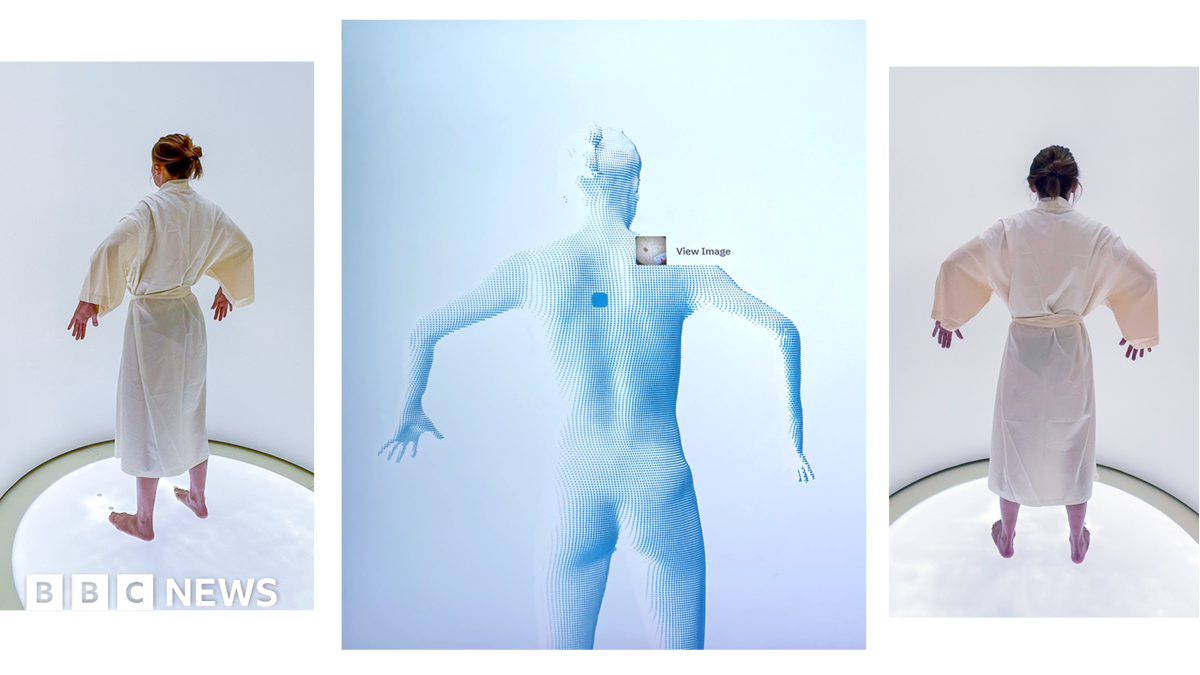
After my own scan, I’m feeling slightly out of balance. I’ve been told I have 3,311 skin markings – compared to the average Neko Health client’s 845. Three need extra review by the company’s dermatologist in Sweden.
“But I don’t have any big moles or markings,” I say during the post-scan consultation with a doctor. It’s my freckles, I’m told, and having freckles puts me at higher risk of skin cancer.
#Full #body #MOTs #future #healthcare #headache #NHS,
Source link