




Galaxy Z Fold 8: Everything we know
Digital Trends
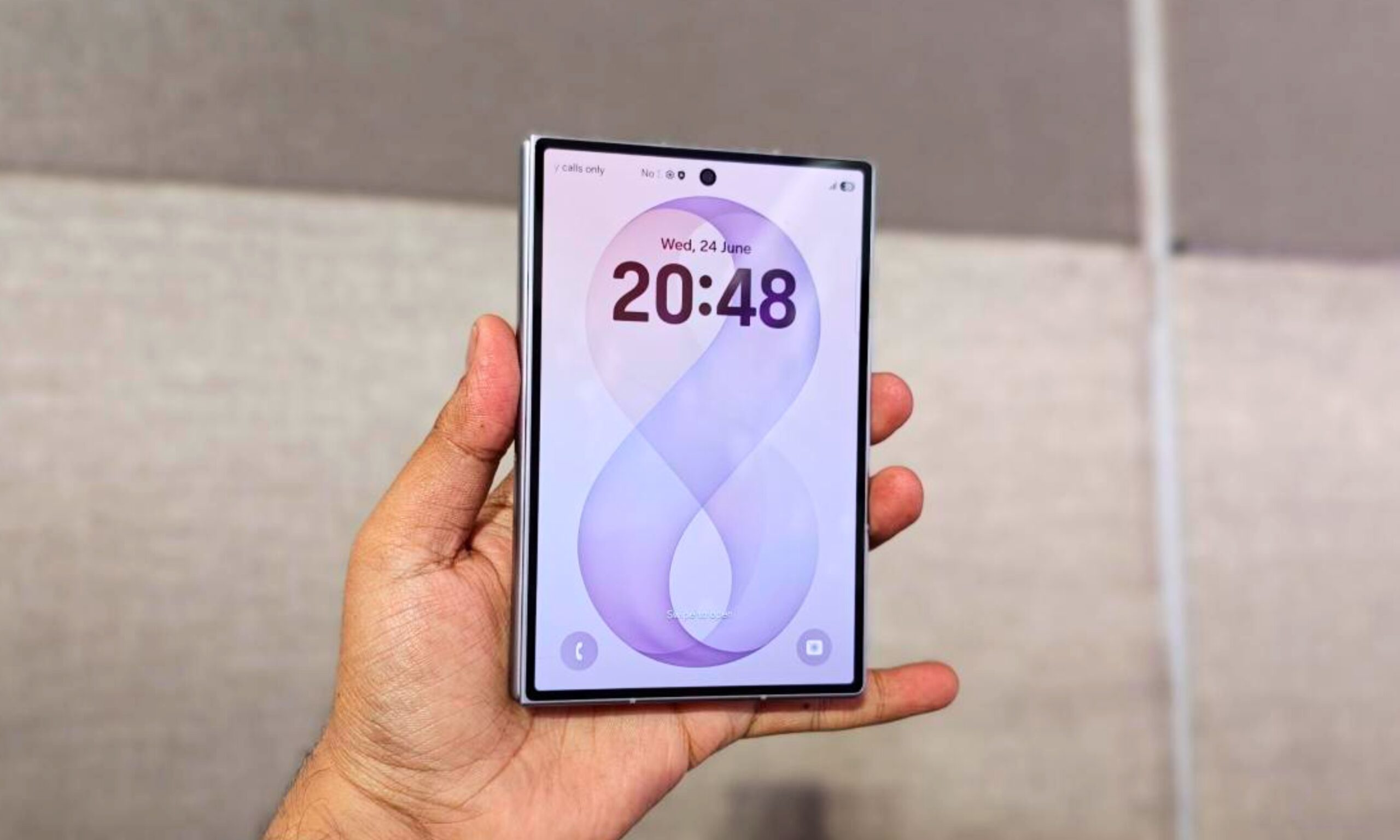
For most of its existence, the Samsung Galaxy Z Fold has solved one problem while creating another. The book-style foldable has let buyers carry a tablet-sized screen in their pocket without actually carrying a tablet. But, through no fault of its own, that came at the cost of a cover screen so tall and narrow that using it one-handed felt unnatural and uncomfortable.
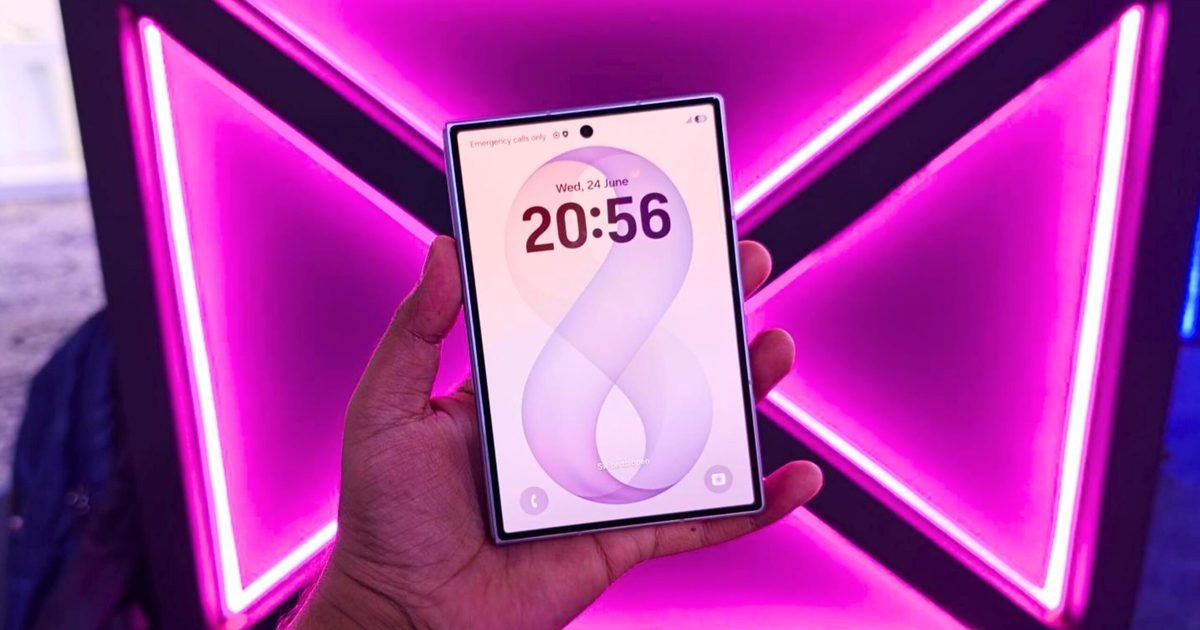
Viewing content on the inner screen came with giant black bars at the top and bottom, too. Samsung has now fixed that with the Galaxy Z Fold 8, and it’s official: shorter, wider, passport-shaped, and a cover screen you can actually type on without contorting your fingers.
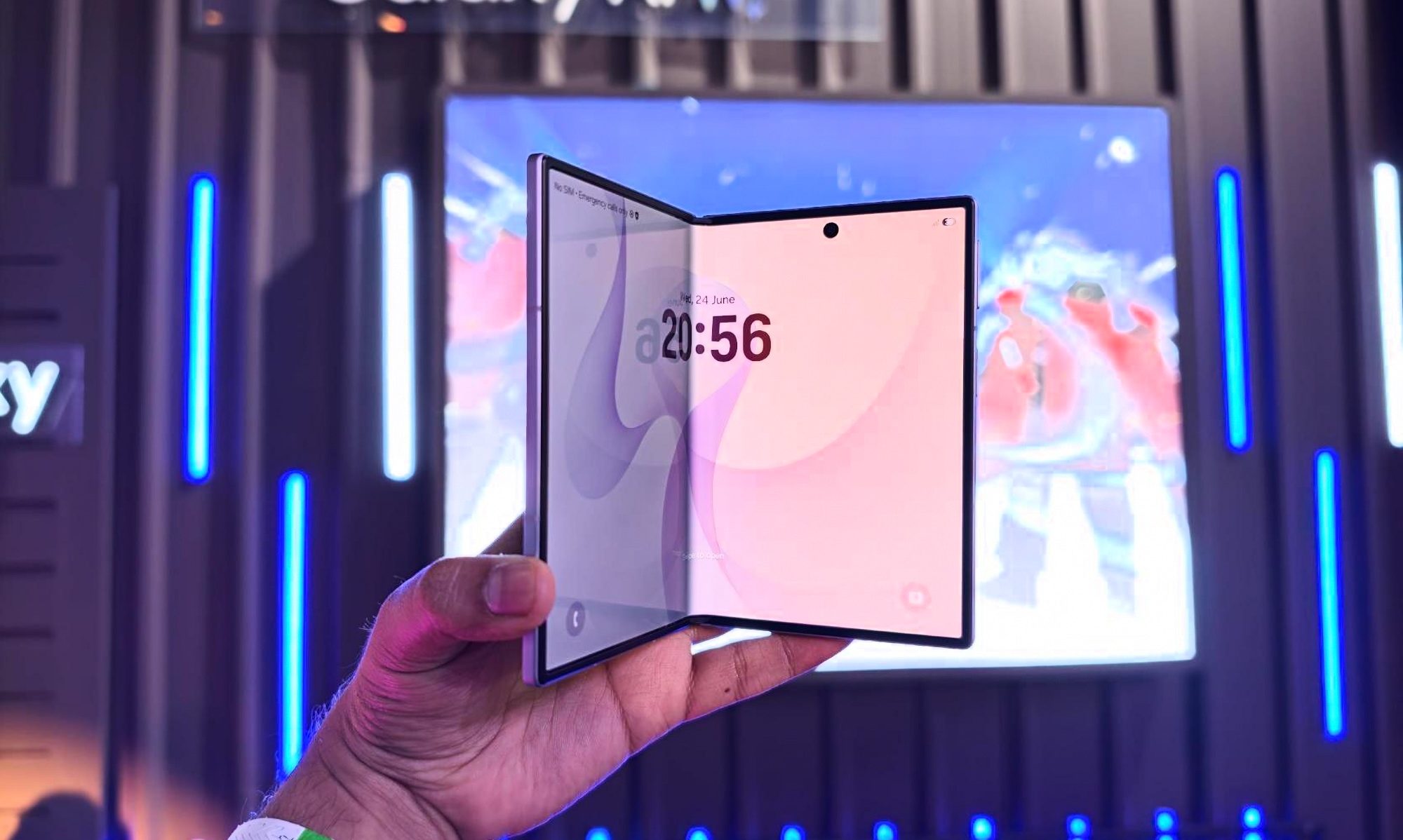
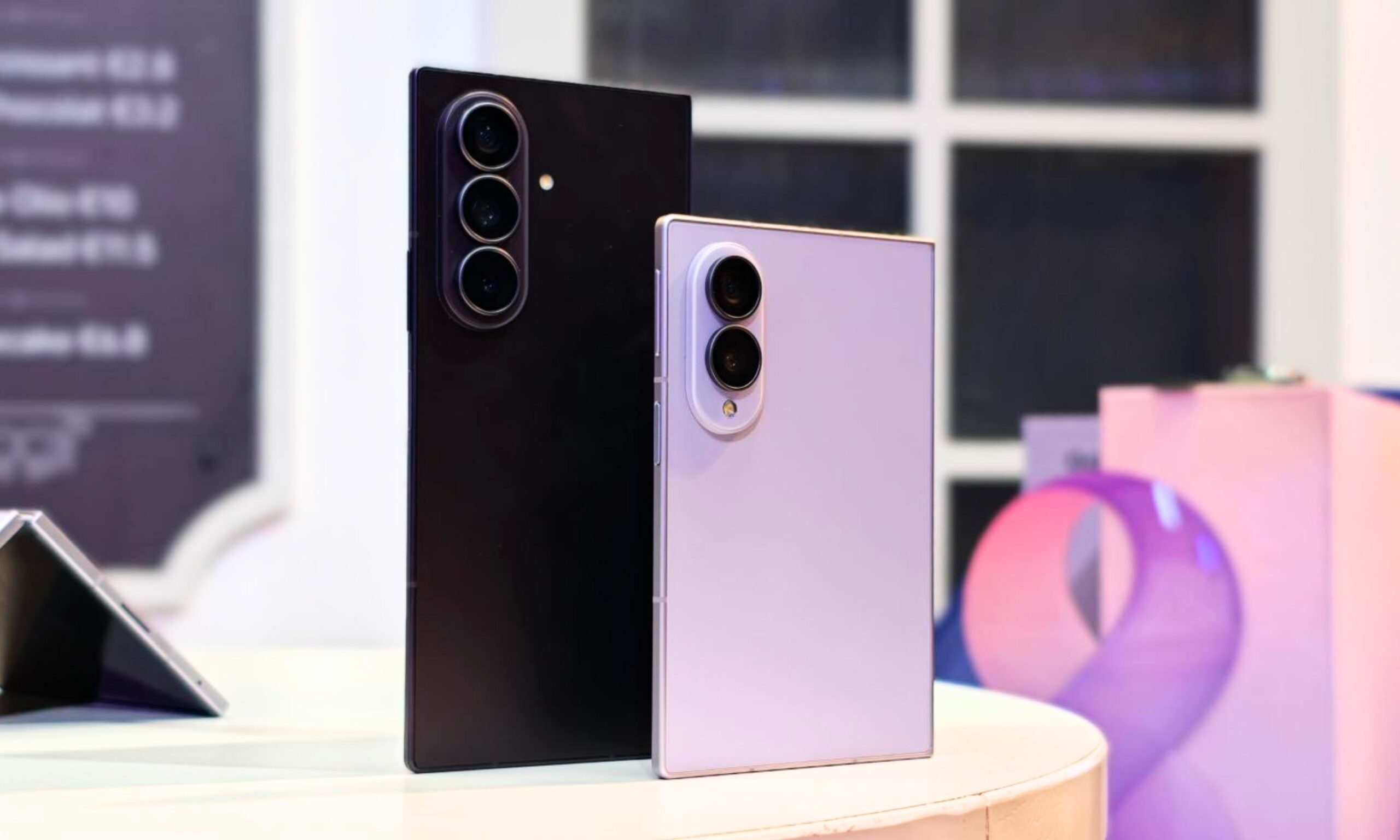
Samsung made it official at Galaxy Unpacked on July 22, 2026, alongside the Galaxy Z Fold 8 Ultra and Galaxy Z Flip 8, and this new shape effectively takes over the “Fold 8” name while the more traditional tall-and-narrow design lives on as the Fold 8 Ultra.
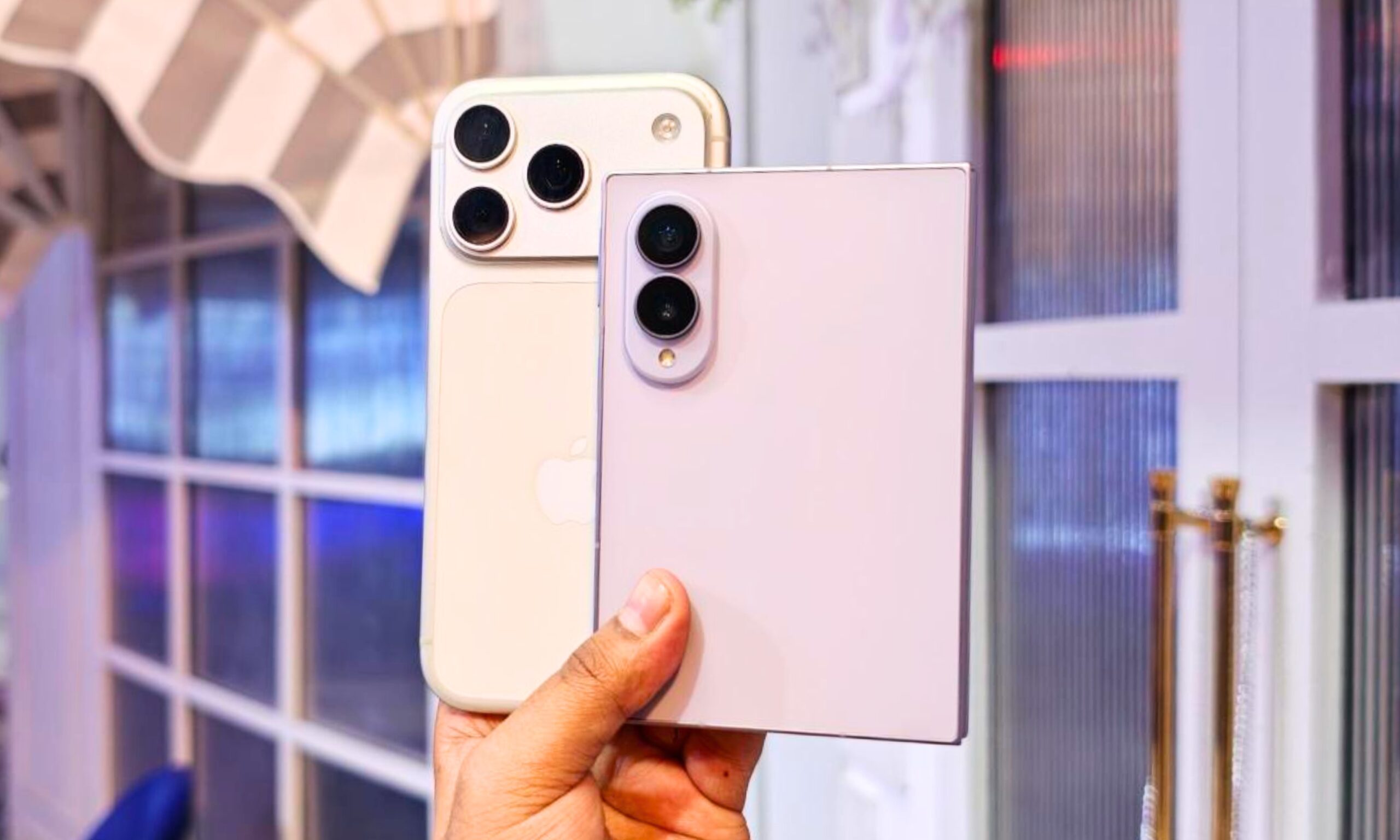
For the first time, Samsung has built a foldable that’s as comfortable to use closed as it is open. And the timing isn’t an accident. Apple is reportedly readying its own foldable, the iPhone Ultra, to make the same case later this year.
Price and release date
Samsung has confirmed the Fold 8’s price at $1,899.99 for the base 256GB configuration in the US, exactly matching what the rumors predicted. Pricing climbs for the higher storage tiers, landing around $2,099.99 for 512GB and $2,499 for the 1TB model.
At this price, the phone goes up directly against current-generation foldables from Motorola and Google, along with Samsung’s own Galaxy Z Fold 8 Ultra.
Pre-orders opened July 22, 2026, right alongside the announcement, and the phone becomes generally available on August 7, 2026. You’ll be able to grab it at Amazon, Best Buy, Samsung Experience Stores, Samsung.com, and through AT&T, T-Mobile, and Verizon.
Samsung Galaxy Z Fold 8: Specs at a glance
| Samsung Galaxy Z Fold 8 | |
| Cover display | 5.5-inch FHD+ Dynamic AMOLED 2X, 1,248 x 1,972, 428ppi, 120Hz adaptive (1-120Hz), Vision Booster |
| Inner display | 7.6-inch QXGA+ Dynamic AMOLED 2X, 1,848 x 2,448, 403ppi, 120Hz adaptive (1-120Hz), up to 3,000 nits |
| Dimensions (folded) | 123.9 x 81.9 x 9.7mm |
| Dimensions (unfolded) | 161.4 x 123.9 x 4.5mm |
| Weight | 201g |
| Chipset | Snapdragon 8 Elite Gen 5 For Galaxy |
| RAM & Storage | 12GB (256GB/512GB), 16GB (1TB) |
| Rear cameras | 50MP primary + 50MP ultrawide |
| Selfie cameras | 10MP (cover) + 10MP (main) |
| Battery | 4,800 mAh |
| Wired charging | 45W |
| Wireless charging | Qi2 (expected 20W) |
| Colors | IP48 |
| Colors | Graphite, Cream, Lavender, Pistachio |
| Starting price | $1,899.99 |
| Announcement date | July 22, 2026 |
Design
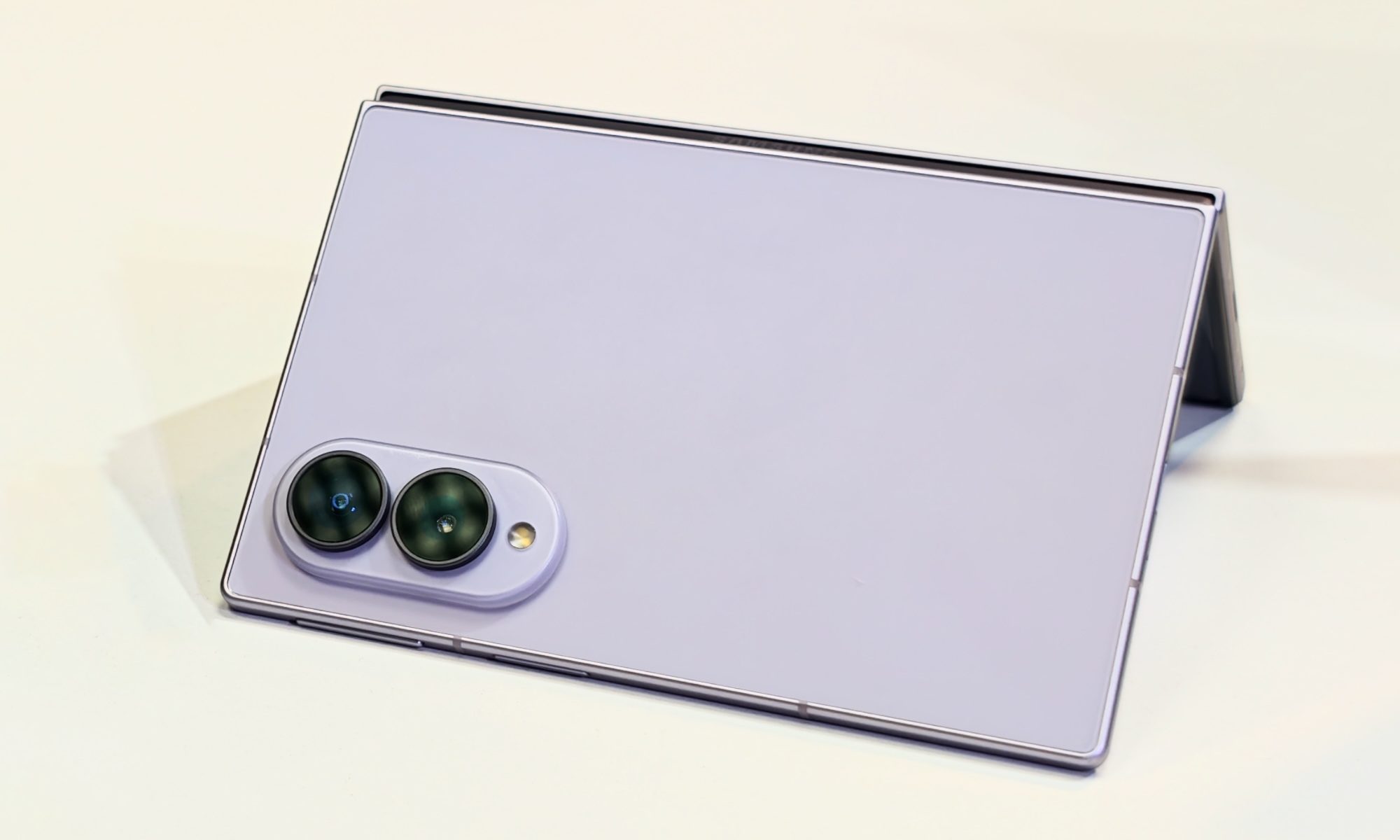
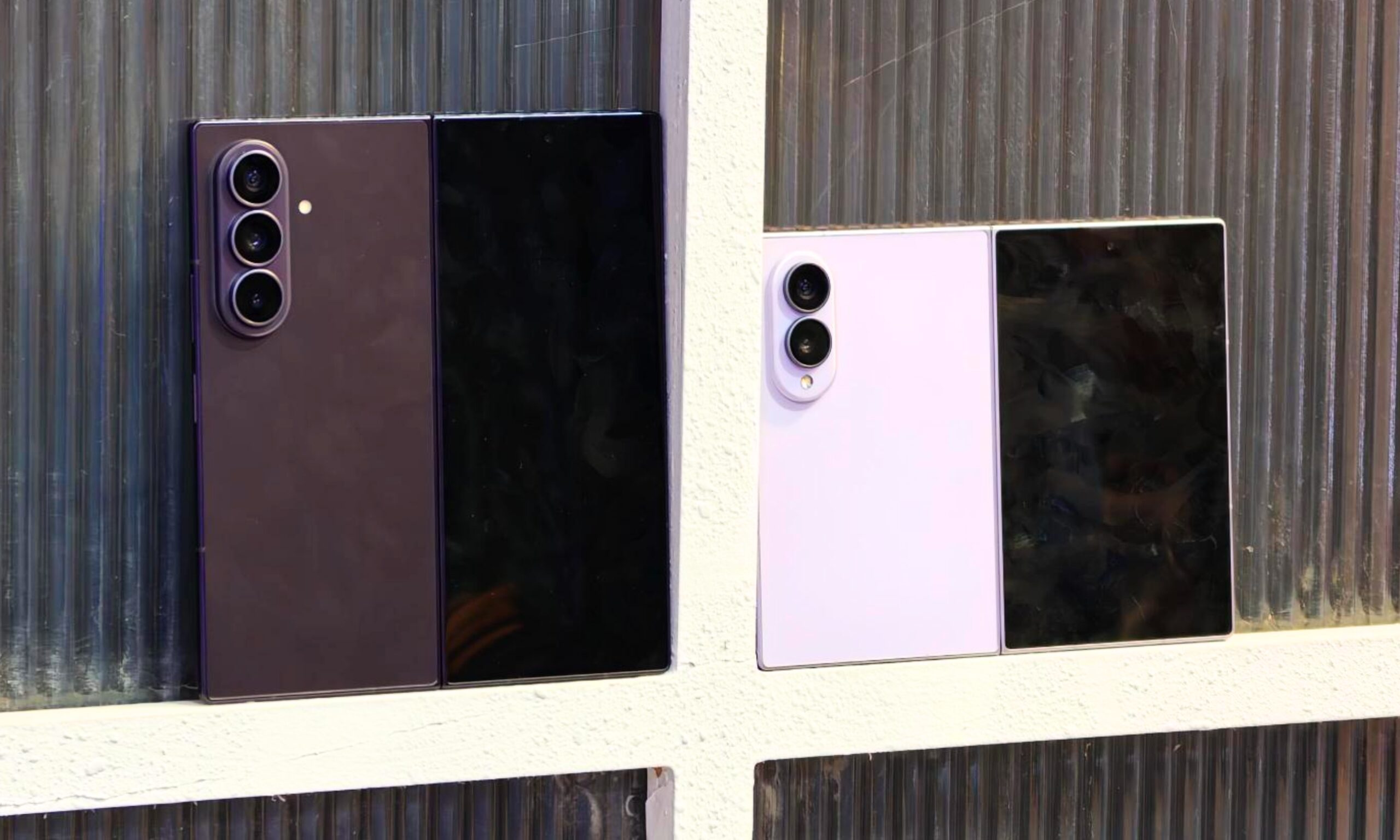
Everything about the Galaxy Z Fold 8’s design is a departure from what Samsung has released before, particularly in the book-style foldable space. Previous Fold phones were tall and thin, shaped more like a candy bar than a book. The Fold 8 fixes that for good.
Confirmed dimensions land at 123.9 x 161.4 x 4.5mm unfolded and 123.9 x 81.9 x 9.7mm folded, and at just 201 grams, this is officially Samsung’s lightest Galaxy Z Fold yet. Samsung’s own materials lean hard into that lightness, and it shows: the wider footprint and slimmer profile make the phone feel less top-heavy in hand than past Folds.
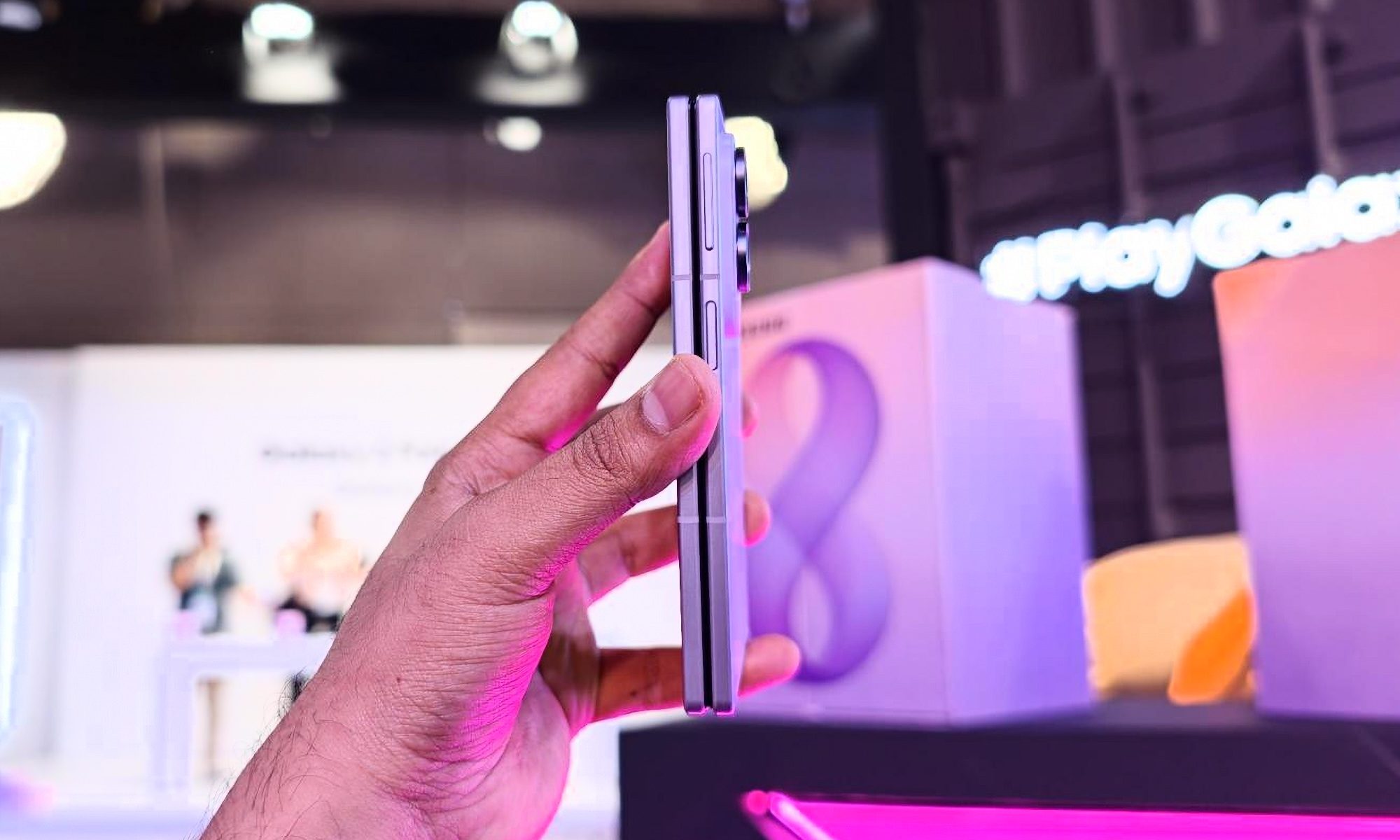
Flex Titanium is confirmed too, combining a titanium-alloy film with a titanium plate to strengthen the display, reduce crease visibility, and smooth out the unfolding motion.
The frame is Advanced Armor Aluminum, with Corning Gorilla Glass Ceramic 3 up front and Gorilla Glass Victus 2 on the back, plus an IP48 rating for water and dust resistance.
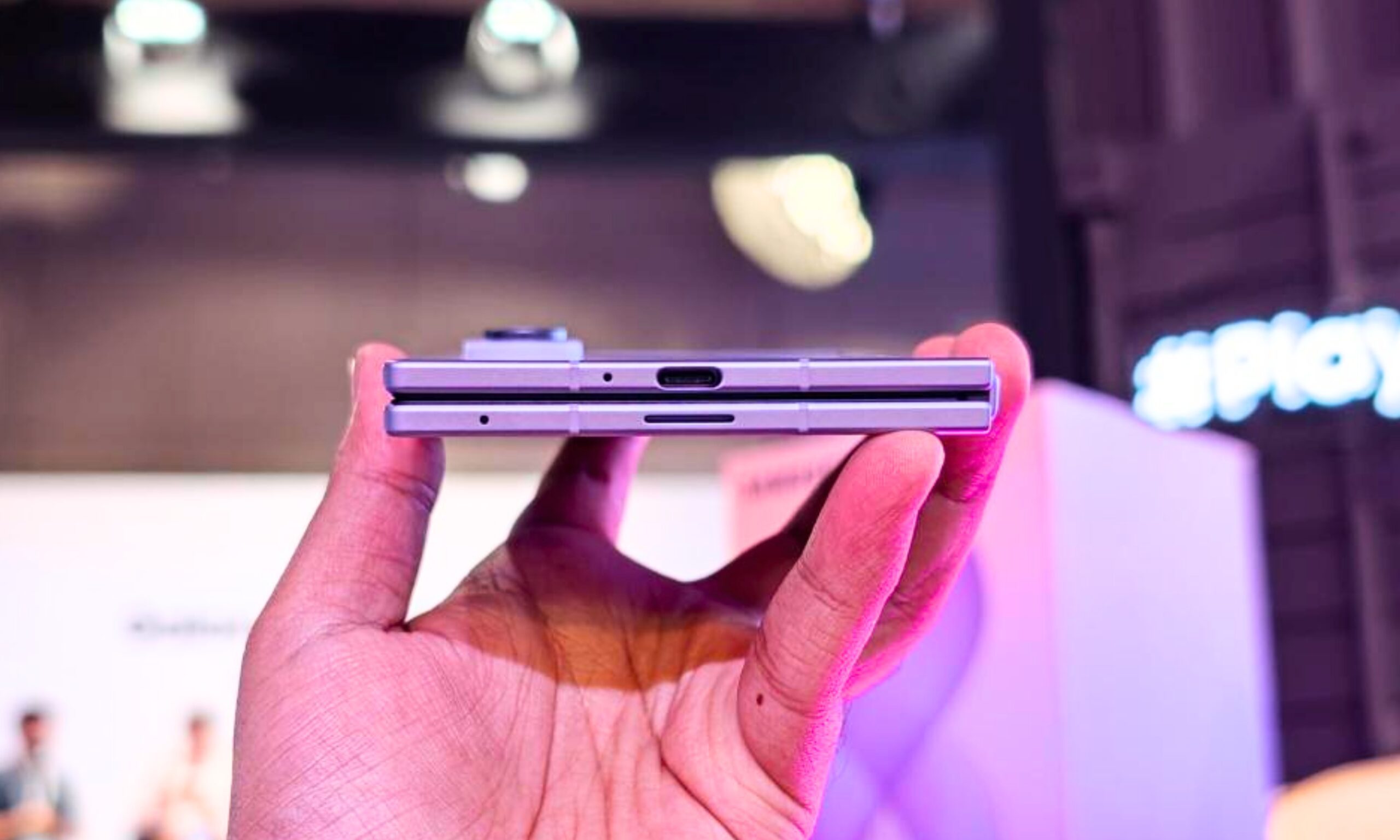
Colors are confirmed as Graphite, Cream, and Lavender at retail, with a Pistachio shade reserved for Samsung.com. One thing worth flagging if you were hoping otherwise: Samsung has confirmed there’s no S Pen support on this model.
Display
Like other book-style foldables, the Galaxy Z Fold 8 features two Dynamic AMOLED 2X panels, and the exact numbers the leaks floated turned out to be right on the money. The cover display is 5.5 inches at 1,248 x 1,972 (428ppi), while the inner display measures 7.6 inches at 1,848 x 2,448 (403ppi). Both run at up to 120Hz.
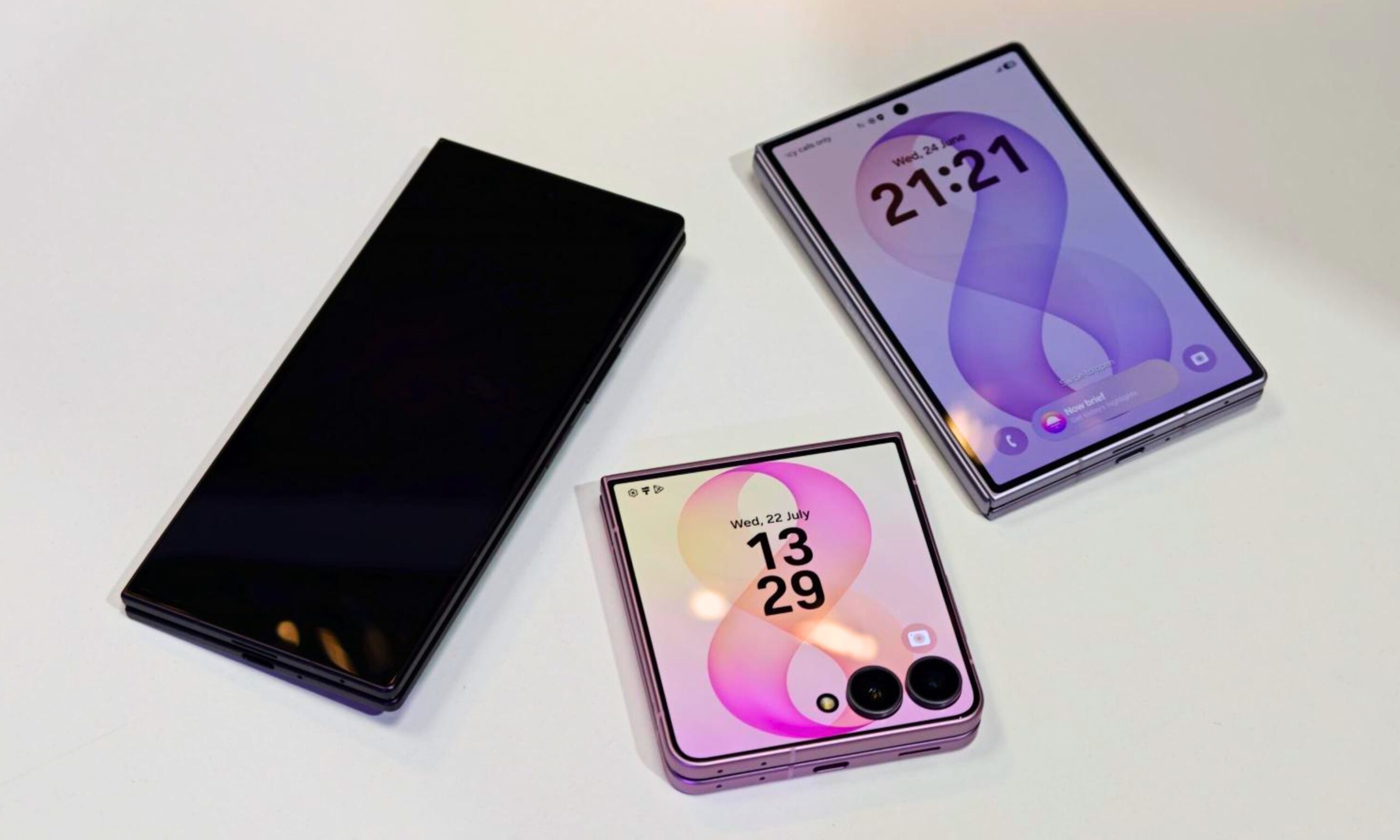
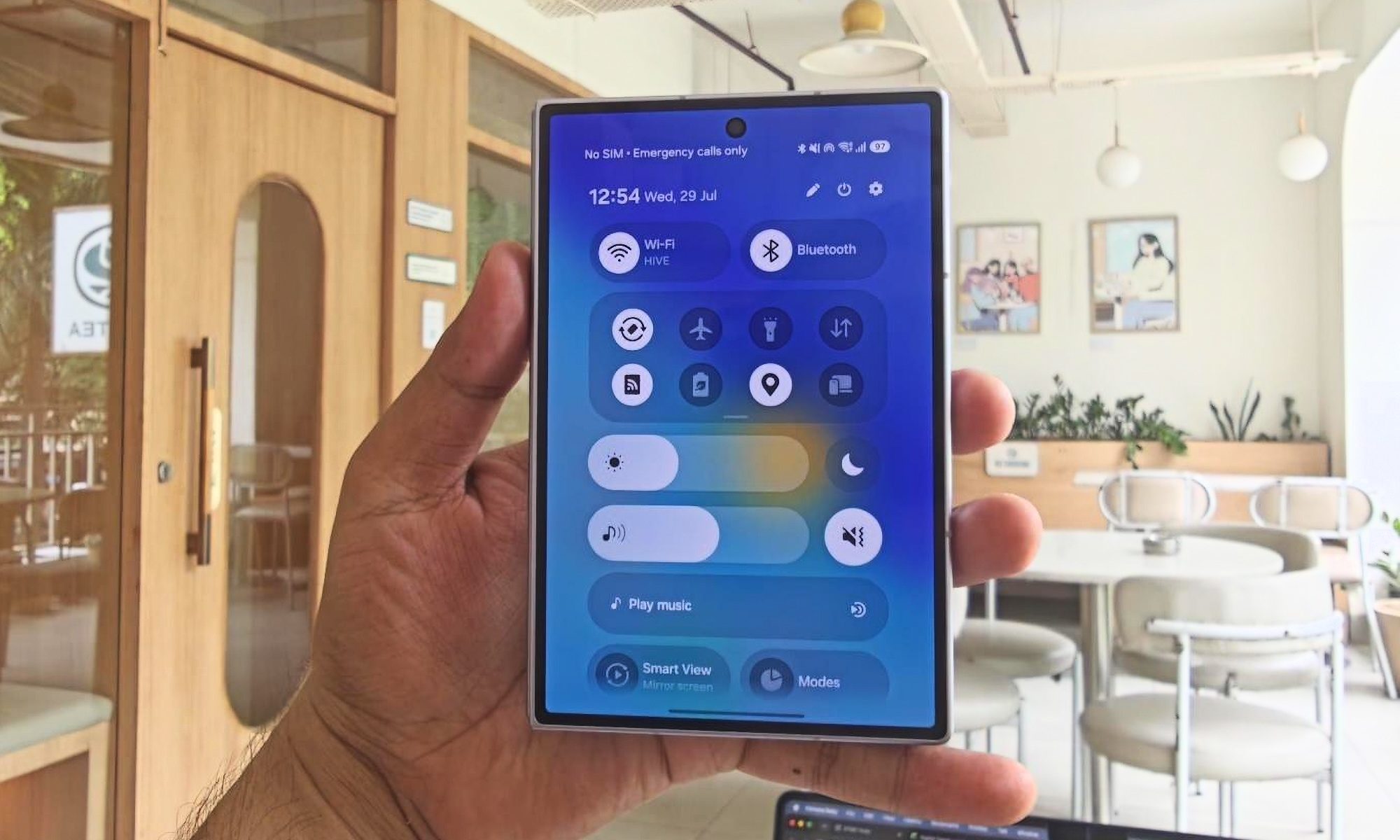
The cover screen’s 10:16 ratio is much more comfortable for scrolling social feeds, while the 4:3 main display is built for movies, e-books, and multitasking side by side. Brightness tops out at 3,000 nits with Vision Booster and a low-reflection finish, so visibility outdoors shouldn’t be an issue.
In our hands-on feature, we mentioned how the new inner screen “feels naturally spread out on the inner flexible screen.” In person, the screen feels wider. It’s more suited for content on YouTube or OTT platforms, or other stuff like films, books, or games.
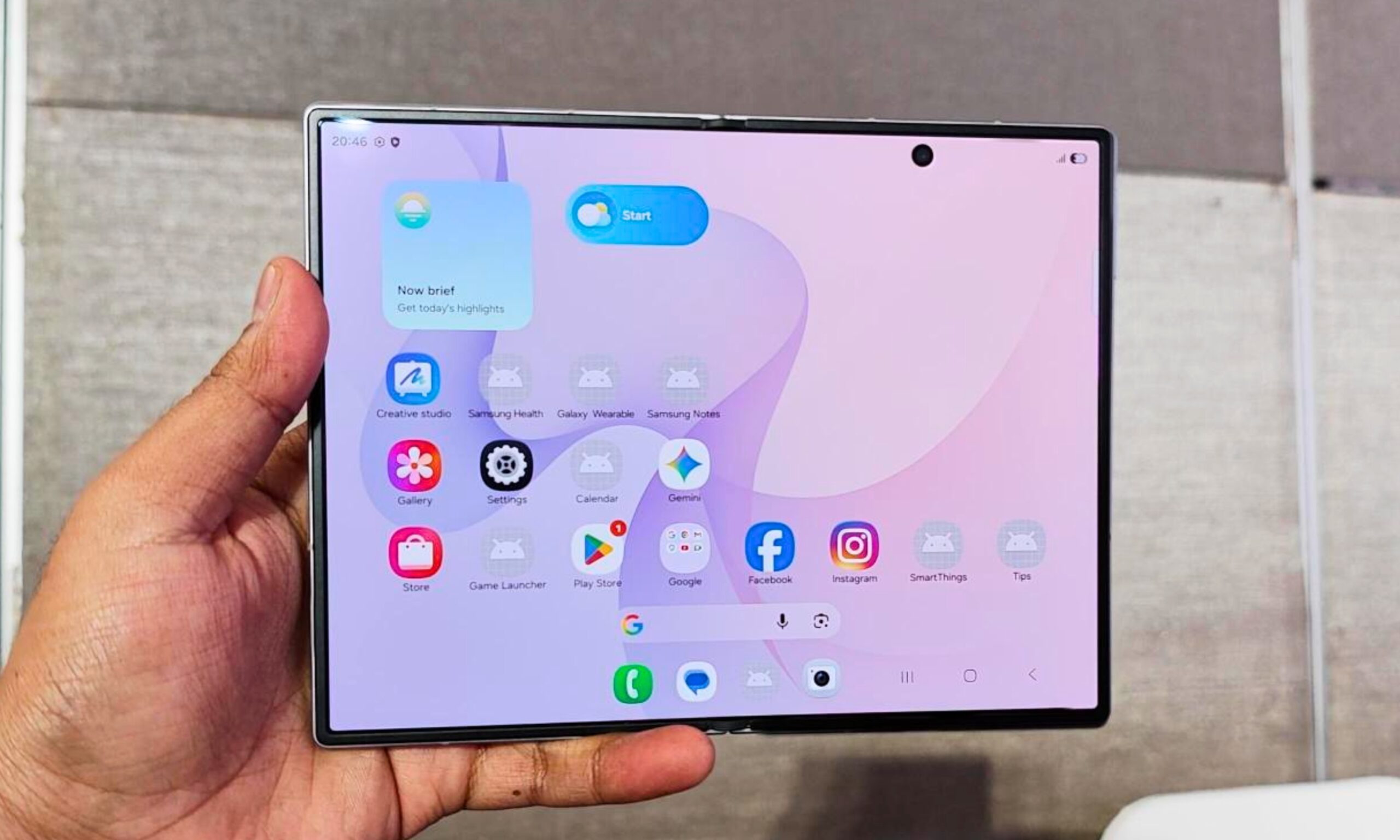
Both the Dynamic AMOLED 2X panels support LTPO technology for variable refresh between 1Hz and 120Hz.
Performance
Both the Galaxy Z Fold 8 and Galaxy Z Fold 8 Ultra sport the Snapdragon 8 Elite Gen 5 “For Galaxy” chipset. For those catching up, the over-clocked chipset variant already debuted with the Galaxy S26 series earlier this year.

And if you’ve already used a Galaxy S26 handset or gone through the reviews, you know it’s one of the best smartphone processors on the market right now. Even so, the foldable form factor and the thin profile might limit the chipset’s performance, likely to maintain an optimal operational temperature, something that we’ll test in our detailed review, which will come soon.
RAM is confirmed at 12GB for the 256GB and 512GB configurations, bumping up to 16GB for the 1TB model, a slight correction from earlier reports that suggested 12GB across the board.
Software
The Fold8 ships with One UI 9 on top of Android 17, exactly as expected, with a customizable home screen and two-way and three-way split view for running apps side by side on the main display.
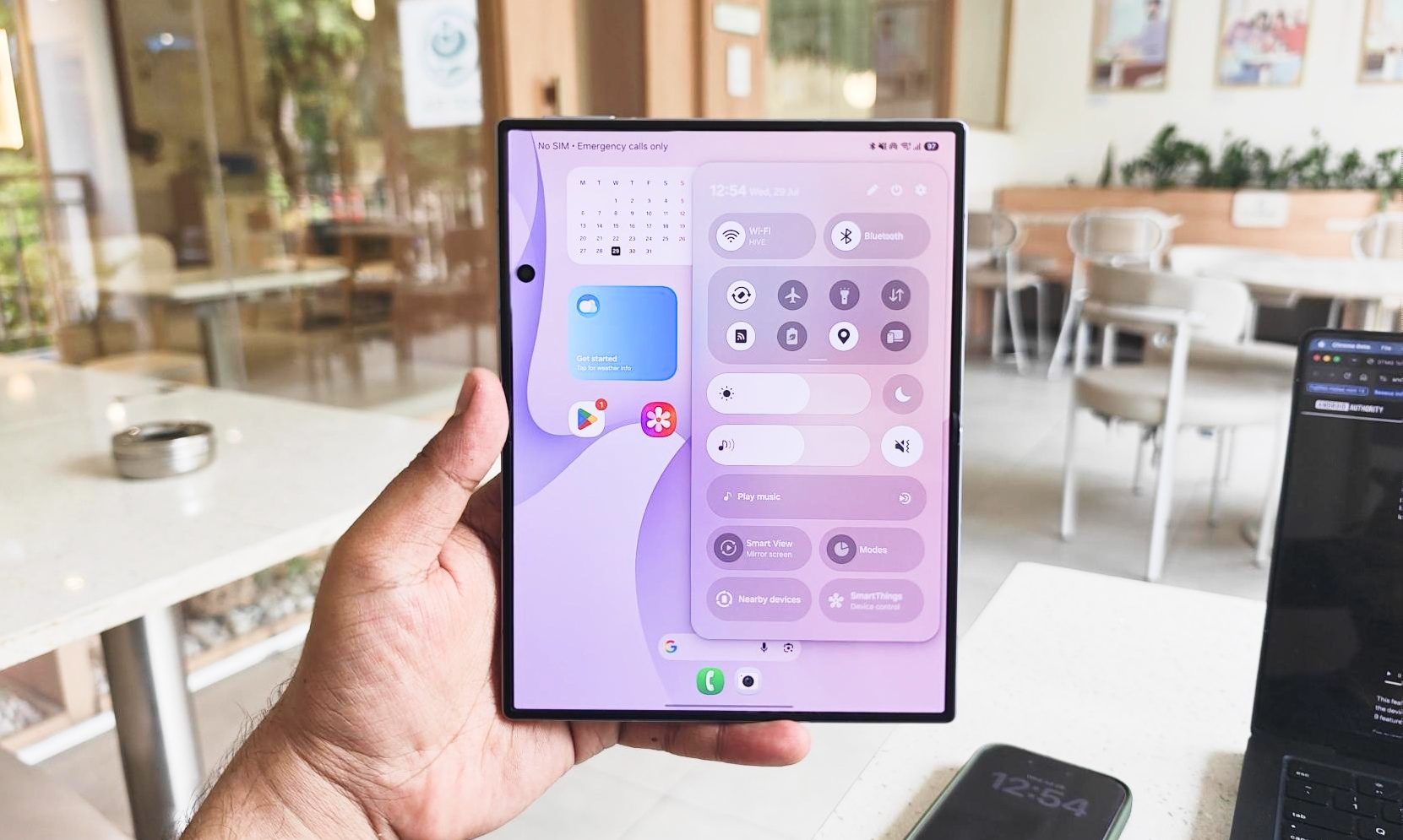
Samsung’s Galaxy AI suite is confirmed and tailored to this form factor specifically: Now Nudge surfaces contextual prompts (like jumping to your calendar mid-conversation) without a manual app switch, My FanCam automatically reframes video around a chosen subject, and Photo Assist handles AI photo edits from a text prompt.
Broader lineup features like Now Brief and Gemini Intelligence, including Gemini Notebook, are along for the ride as well. On the update front, Samsung has confirmed seven generations of OS upgrades and seven years of security patches, matching what was expected.
Cameras
Samsung kept the camera setup close to what was rumored. The Fold 8 arrives with two 50MP sensors on the back, a wide (f1.8, OIS, 2x optical quality zoom) and an ultra-wide (f1.9), and there’s no third telephoto lens here, confirming the Ultra-level camera hardware stays exclusive to the Fold 8 Ultra.
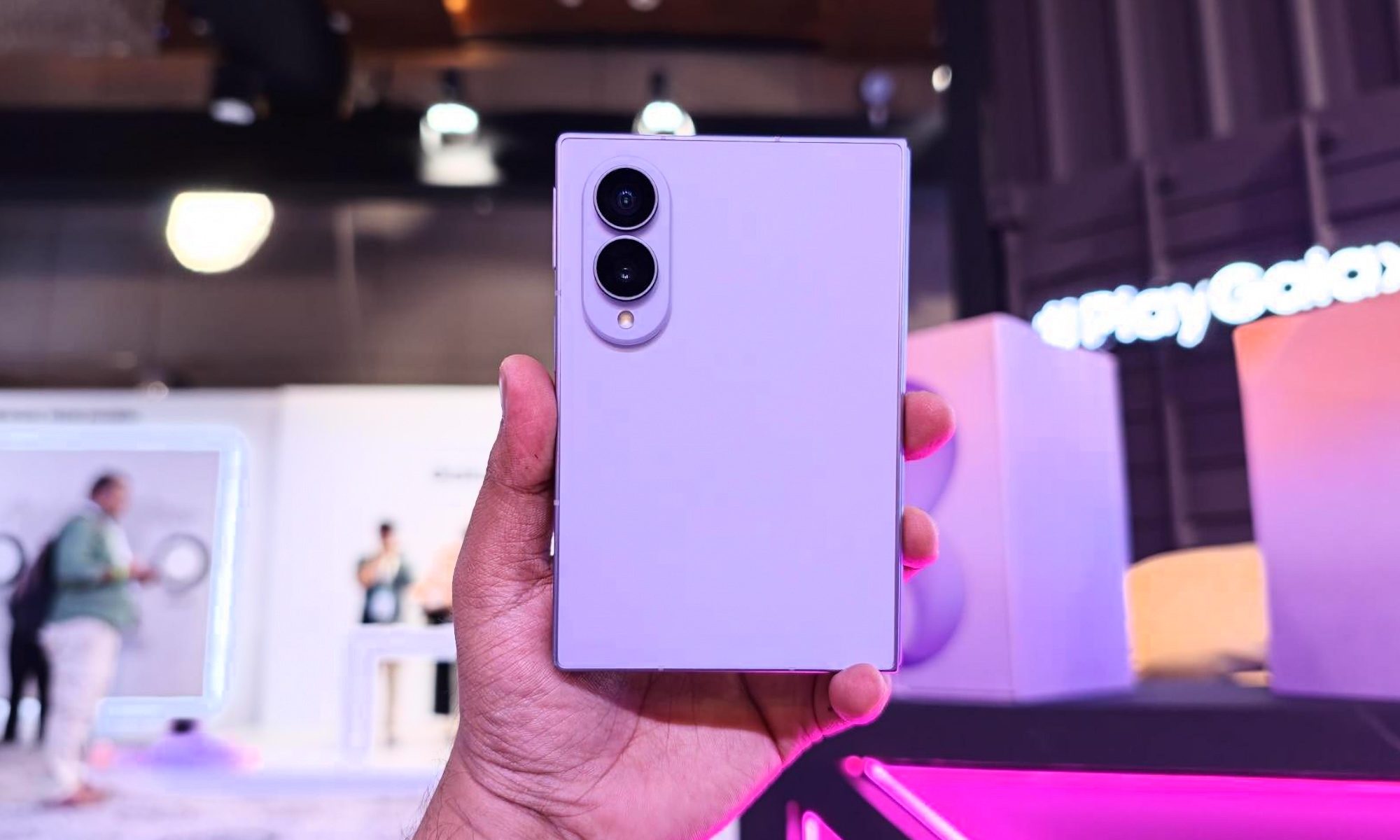
Dual Recording lets you shoot from both the front and cover camera at once, and My FanCam handles subject-tracking edits after the fact. Video tops out at 8K at 30fps. Up front, you get two 10MP selfie cameras, one on the cover screen and one on the main display.
Battery life and charging
Battery capacity is confirmed at 4,800 mAh, exactly matching what leaked, and Samsung rates that for up to 26 hours of video playback. The battery capacity has gone up from 4,400 mAh, which is a good thing. Also, this is the first time that Samsung has used a silicon-carbon battery on a phone, and a foldable no less.
Wired charging tops out at 45W, getting you to 63% in about 30 minutes, while wireless charging is confirmed at 20W. Reverse wireless charging via Wireless PowerShare carries over as well.
Should you wait for the Fold 8 or buy what’s already out there?
If you liked the idea of a foldable but never got along with the tall, narrow cover screens Samsung has used for years, the Fold 8 is the one for you. Don’t take my word for it, though. Go to your nearest experience center and try out the new form factor yourself. No other foldable on the market offers an inner screen that is this wide. The specs, I believe, back up that promise well.
At $1,899.99, it lines up closely against the Google Pixel 10 Pro Fold ($1,799) and the Motorola Razr Fold ($1,899). For obvious reasons, the phone also undercuts Samsung’s own Fold 8 Ultra, which starts at $2,099.99.


However, as someone who’s viewing the launch in the context of the entire industry and how other companies might follow soon, I’m more interested to see how Apple tackles the form factor. The rumored iPhone Ultra is still expected later this year, reportedly in the $2,000 to $2,500 range, though the pricing hasn’t been confirmed yet.
Personally, I’m willing to wait until September to see what Apple puts on the table. However, if you’re sure you don’t want an iOS device, perhaps you already own a bunch of Samsung or other Android devices, the Fold 8 is already shipping, and pre-orders are open ahead of its August 7 on-sale date.
Galaxy Z Fold 8: Everything we know
Source link