



I don’t care how thin the Galaxy Z Fold 8 is, and these two foldables show exactly why
Digital Trends
Every year, foldable manufacturers proudly shave another fraction of a millimeter from their newest phones. Samsung is a great example of this, building some of the sleekest flexible devices available in the market. Older foldables were chunky bricks, but the newer ones are now breaching regular flagship sizes.
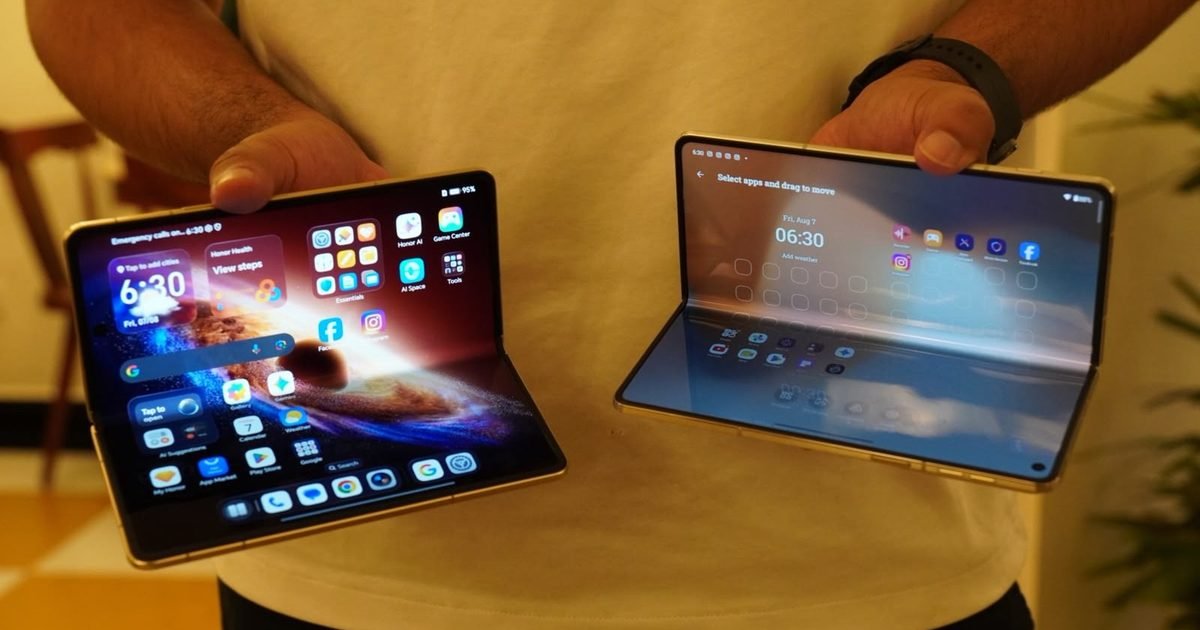
After spending time with the Motorola Razr Fold and Honor Magic V6, then comparing them against Samsung’s new Galaxy Z Fold 8, the hardware I appreciate most has very little to do with which device is the thinnest. What I’d rather trade an extra bit of width for is a useful hinge and a bigger battery.
Motorola made its extra thickness worthwhile
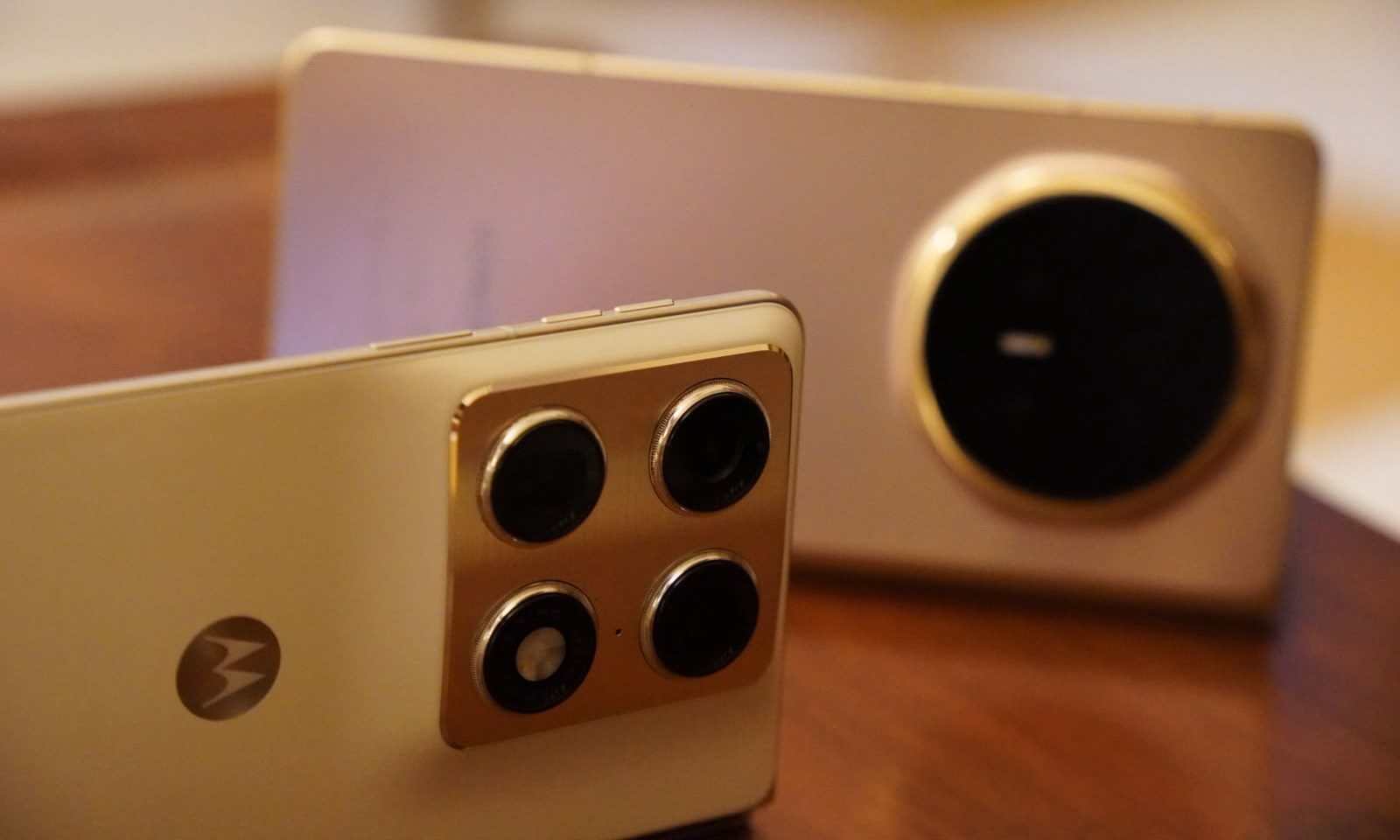
The Motorola Razr Fold measures 9.89mm when closed. That makes it roughly a millimeter thicker than ultra-thin rivals such as the Galaxy Z Fold 8 and Honor Magic V6. It is also noticeably heavier at 243 grams. I noticed that heft during my review. But what I also noticed was just how much Motorola managed to pack inside.
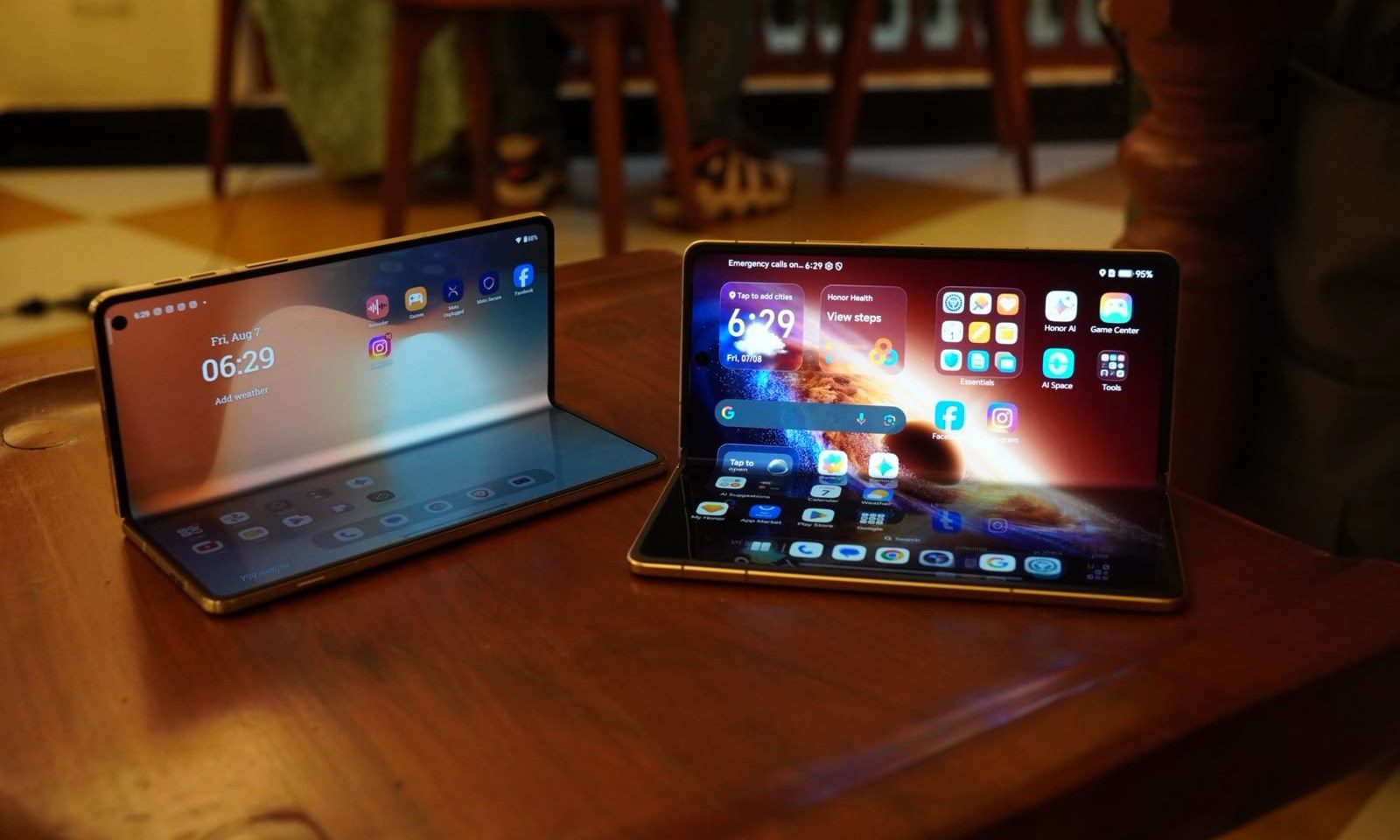
Its 6,000mAh battery averaged around seven hours of screen-on time during my mixed usage and regularly pushed into the following afternoon before I needed a charger. You also get 80W wired charging and 50W wireless charging. One of my biggest concerns with Motorola’s first book-style foldable was its hinge, but it is actually one of its best parts.
The mechanism has enough resistance to inspire confidence, while other testing has found that it can remain stable at almost any angle without noticeable wobble. I can prop the Razr Fold up for photos, use the Moto Pen Ultra as a remote shutter, set it in tent mode, or position the two halves differently depending on what I am doing. Motorola even built a desk experience around the tent position.
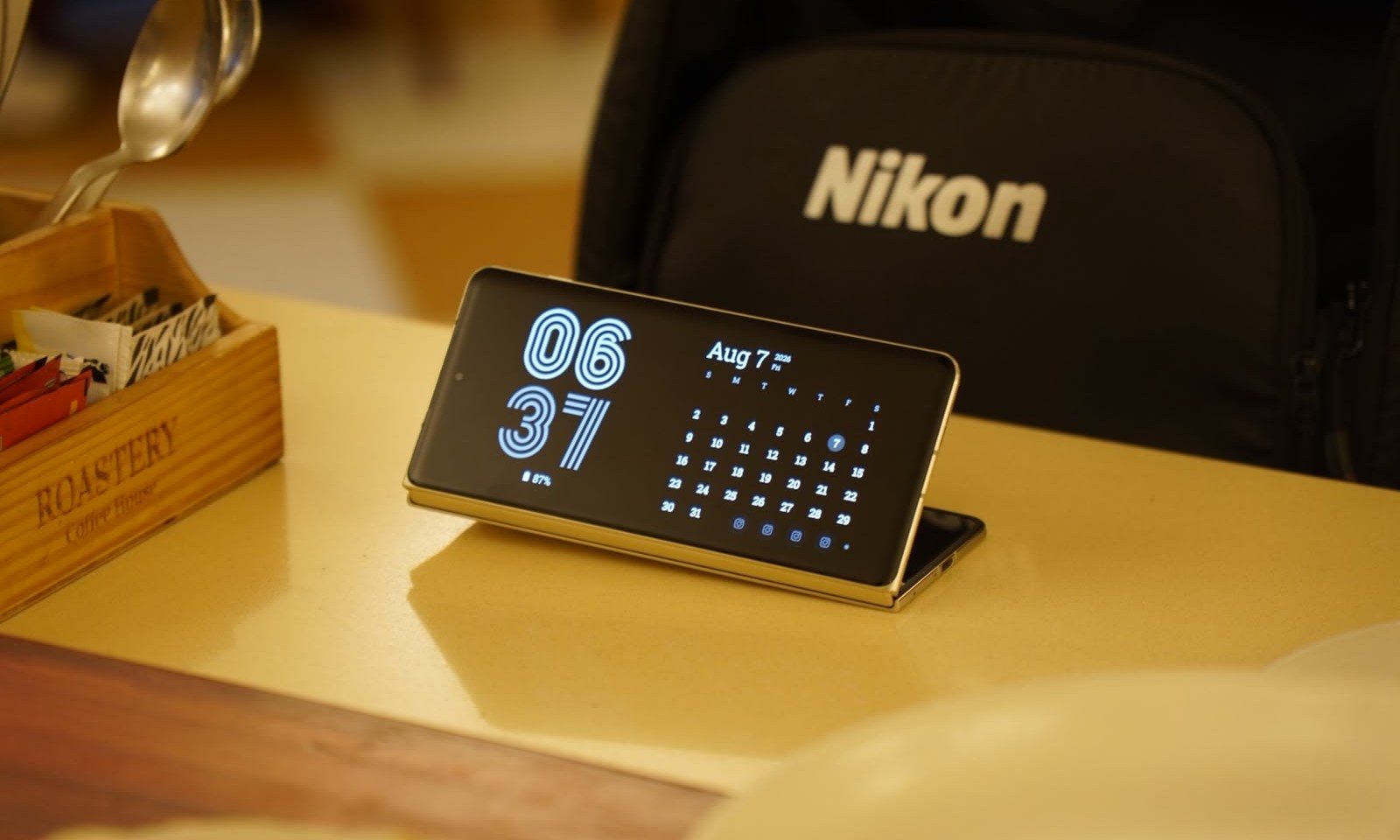
This was something I immediately missed when using the Galaxy Z Fold 8. Don’t get me wrong, the device is superbly built and feels ultra-premium. The thinness achieved is nothing short of engineering magic. And yet, the backbone of its design, the hinge, seems to lack a certain kind of versatility.
Honor proves thinness doesn’t have to ruin anything
On the other hand, the Magic V6 measures just 8.75mm folded and 4mm unfolded in its thinnest version, yet somehow contains a 6,660mAh silicon-carbon battery. Honor also gives it 80W wired and 66W wireless charging. More importantly, Honor did not achieve it by turning the hinge into a glorified on/off switch. During our Digital Trends review, the Magic V6 reliably held itself between roughly 50 and 140 degrees. It snaps decisively when fully opening or closing, but there is still a useful operating range in between.
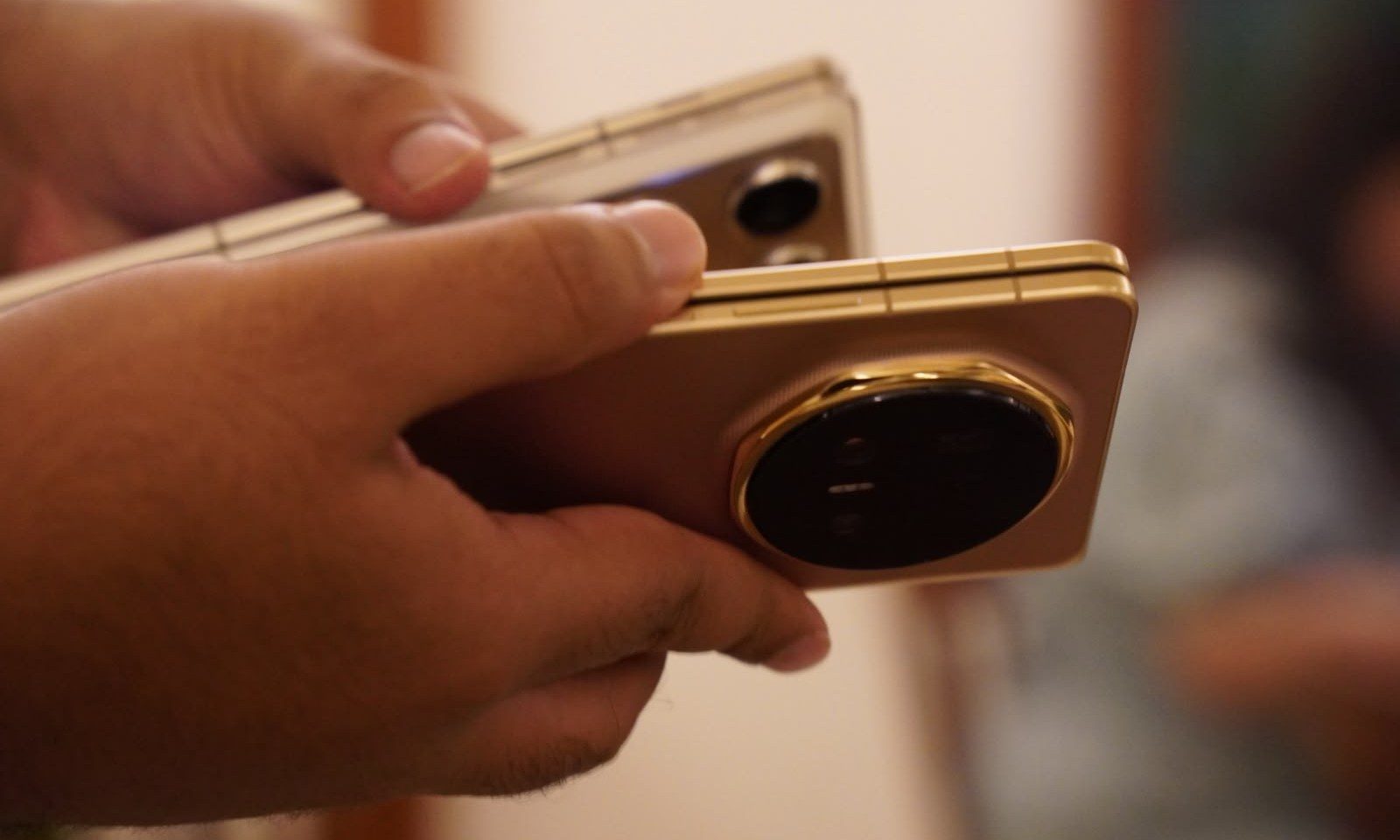
Make a phone thinner because your engineering allows it. Give me the slimmer body while retaining battery capacity, durability, and the functionality that makes a foldable different from a conventional phone.
Samsung makes a compelling case for thinness, but…
To Samsung’s credit, the Galaxy Z Fold 8 is probably the best argument I have seen for why slimming down a foldable is great. In our hands-on with the phone, we praised how dramatically more pocketable it has become. At just 201 grams, it is lighter than some regular flagships like the iPhone 17 Pro, while the smaller 5.5-inch cover screen makes it unusually easy to use one-handed. Open it up, and the 7.6-inch 4:3 display gives movies, games, books, and other content much more natural proportions than the squarer panels we have grown used to on book-style foldables.
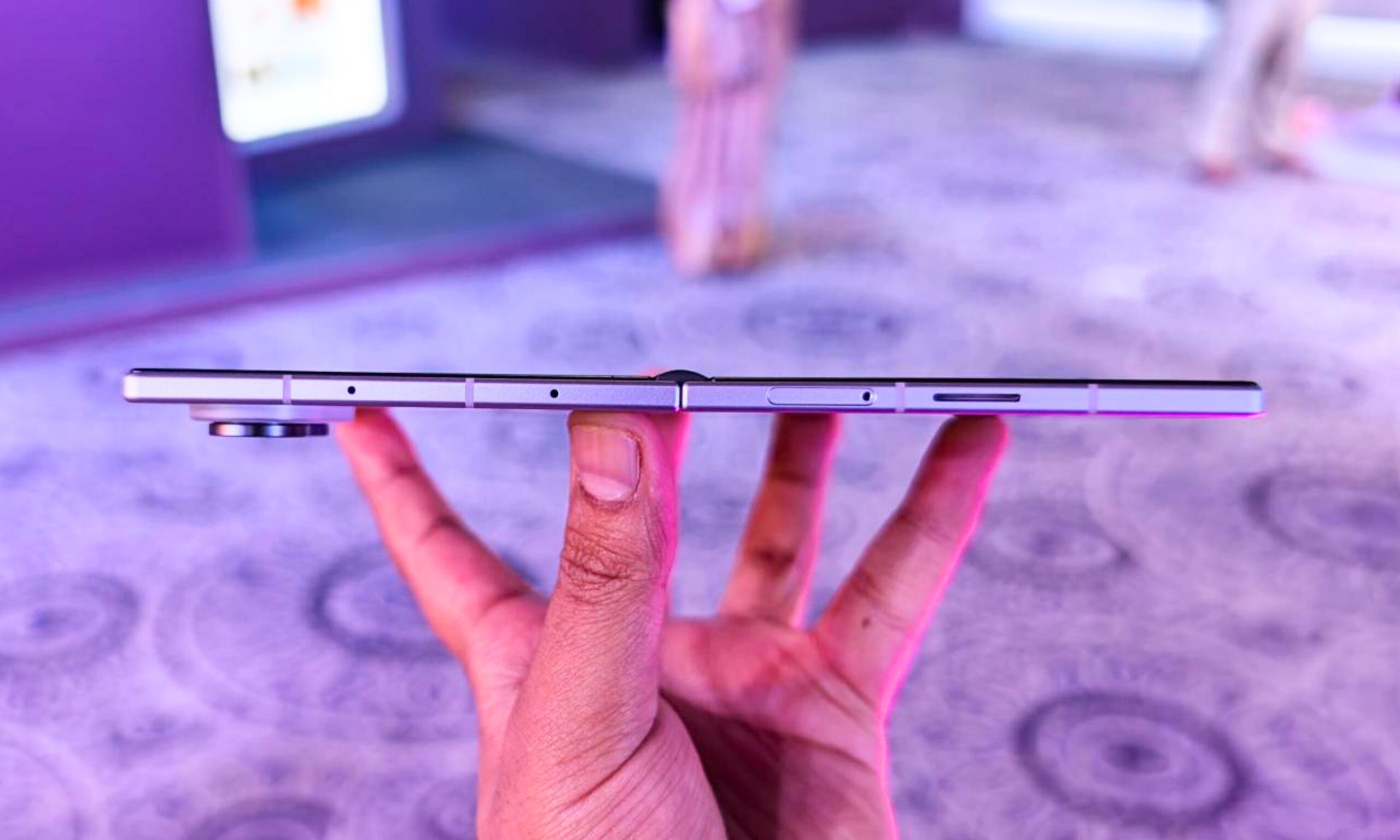
So that thinness is still serving a purpose. The Fold 8 is easier to carry and easier to handle, and its redesigned proportions genuinely change how you use it. My problem begins when making a foldable smaller starts chipping away at other parts of the experience. The regular Galaxy Z Fold 8 has a 4,800mAh battery, while the Fold 8 Ultra steps up to 5,000mAh. Motorola manages to fit 6,000mAh into the Razr Fold, and Honor pushes even further with the Magic V6. At the moment, the Galaxy Z Fold 8 brings around 6 hours of screen-on time. This is solid, but still trails behind the Razr Fold and Magic V6.
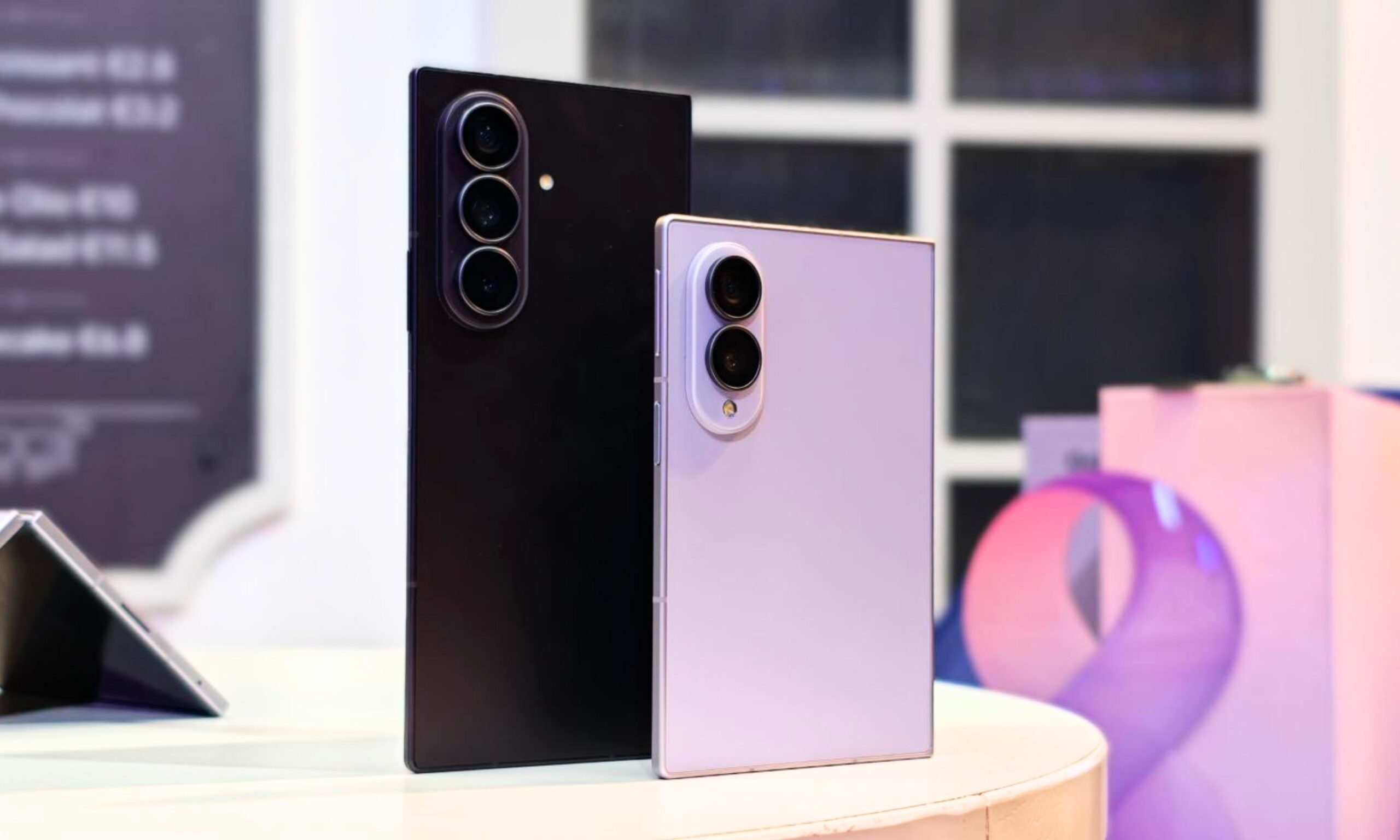
Furthermore, the regular Z Fold 8 no longer supports Flex Mode, while only the Fold 8 Ultra keeps it. This could be tied to the Fold 8’s redesigned hinge and crease-control priorities, but it’s not a change you won’t immediately notice. The Razr Fold is only marginally thicker than the regular Fold 8, and still Motorola gives me a 6,000mAh battery and a hinge rigid enough to stay planted at different angles.
Foldables are thin enough
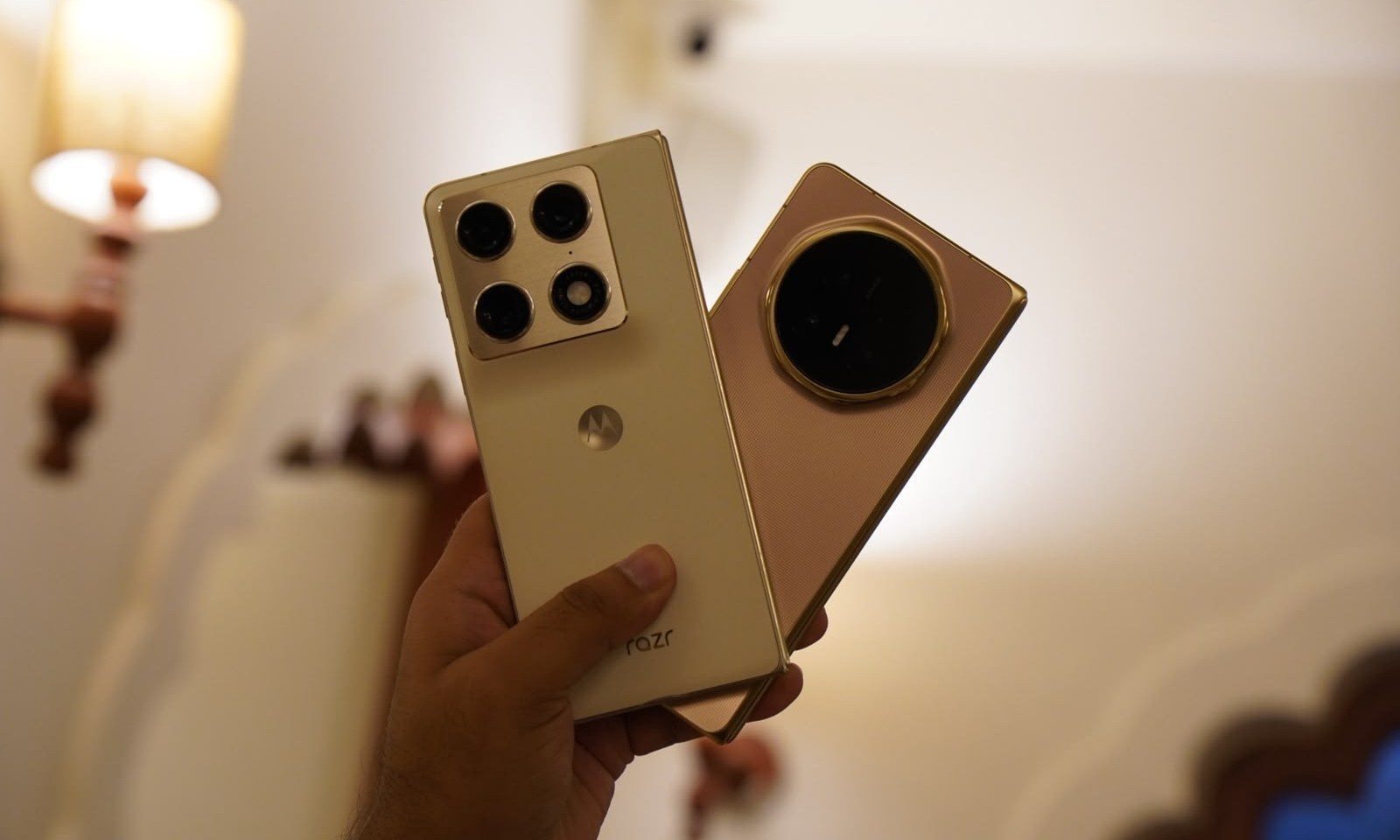
I am not asking manufacturers to bring back chunky first-generation folding phones or to stop innovating on a middle ground, like with the Z Fold 8 Ultra. Making these devices thinner and lighter has been essential to getting foldables where they are today.
I just think the priority should be to bring more balance. Honor has already shown that an extremely thin foldable can carry a huge battery and retain a useful hinge. Meanwhile, Motorola, with more thickness, created an equally compelling device with excellent endurance, stylus support, and a hinge that encourages you to use the foldable form factor in different ways.
I don’t care how thin the Galaxy Z Fold 8 is, and these two foldables show exactly why
Source link