



NASA built the Roman Space Telescope to study dark matter, but it can also help protect Earth from killer asteroids
Digital Trends
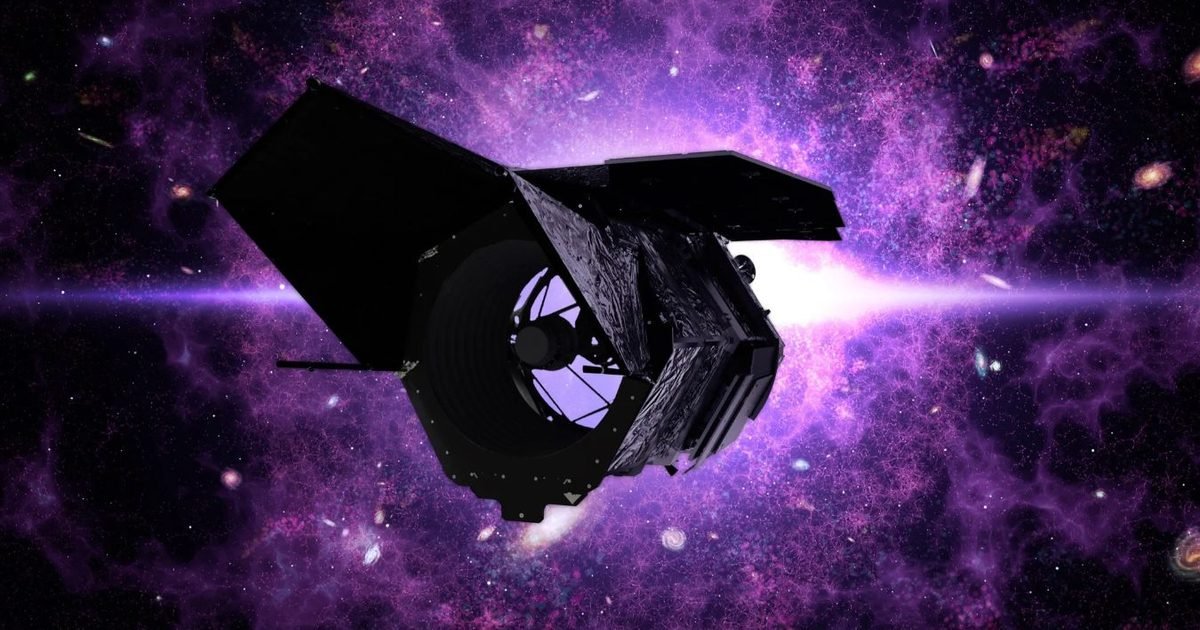
NASA is about to launch a telescope built to unlock some of the universe’s biggest mysteries, and it turns out that same design could help protect Earth along the way.
The Nancy Grace Roman Space Telescope is set to launch from Kennedy Space Center on August 30, 2026, with a primary mission focused on studying dark matter and dark energy – the invisible forces shaping galaxies and cosmic expansion. Researchers now say its unique design also makes it unexpectedly effective at spotting dangerous asteroids headed our way (via MIT Technology Review).
What makes the Roman Telescope capable of hunting killer asteroids?
Roman carries a super wide-angle, 300 megapixel infrared camera capable of viewing a section of sky roughly 100 times larger than what the Hubble Space Telescope can see in a single glance. That massive field of view, meant for surveying galaxies and distant stars, happens to work just as well for scanning large stretches of space for asteroids at once.
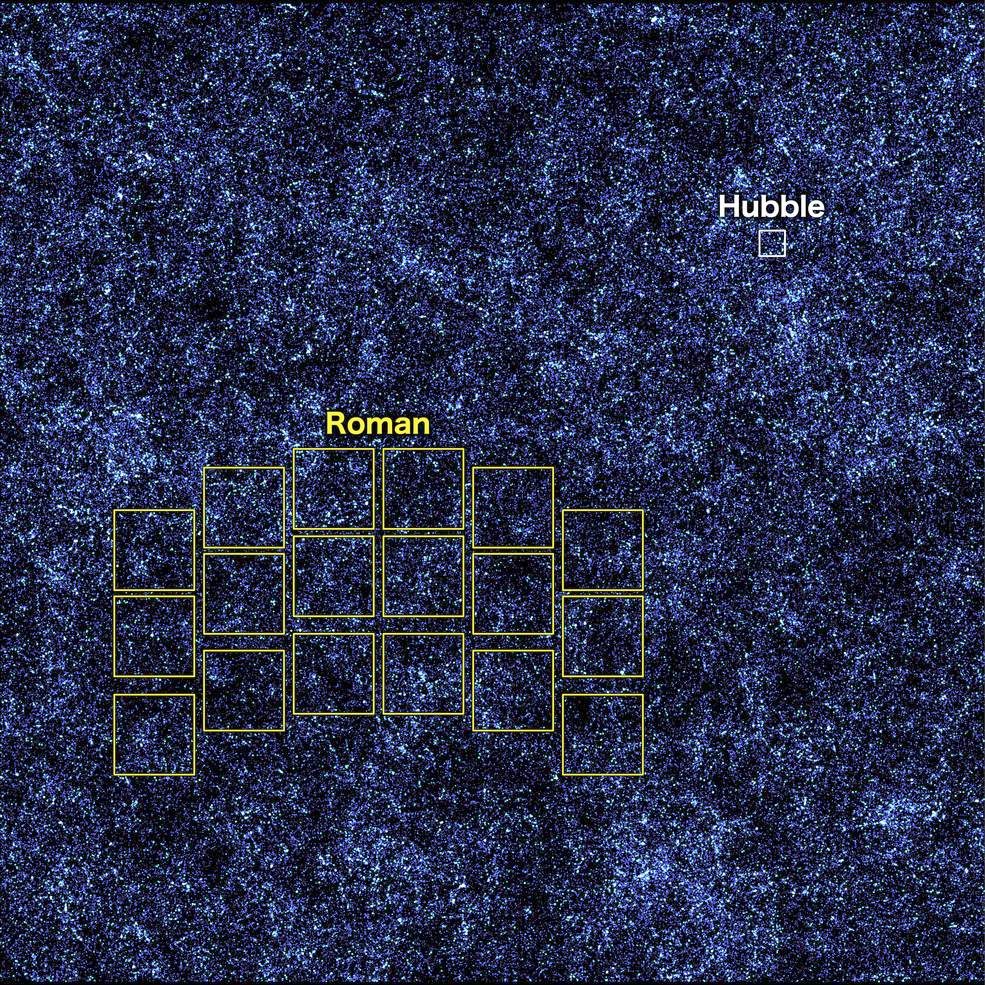
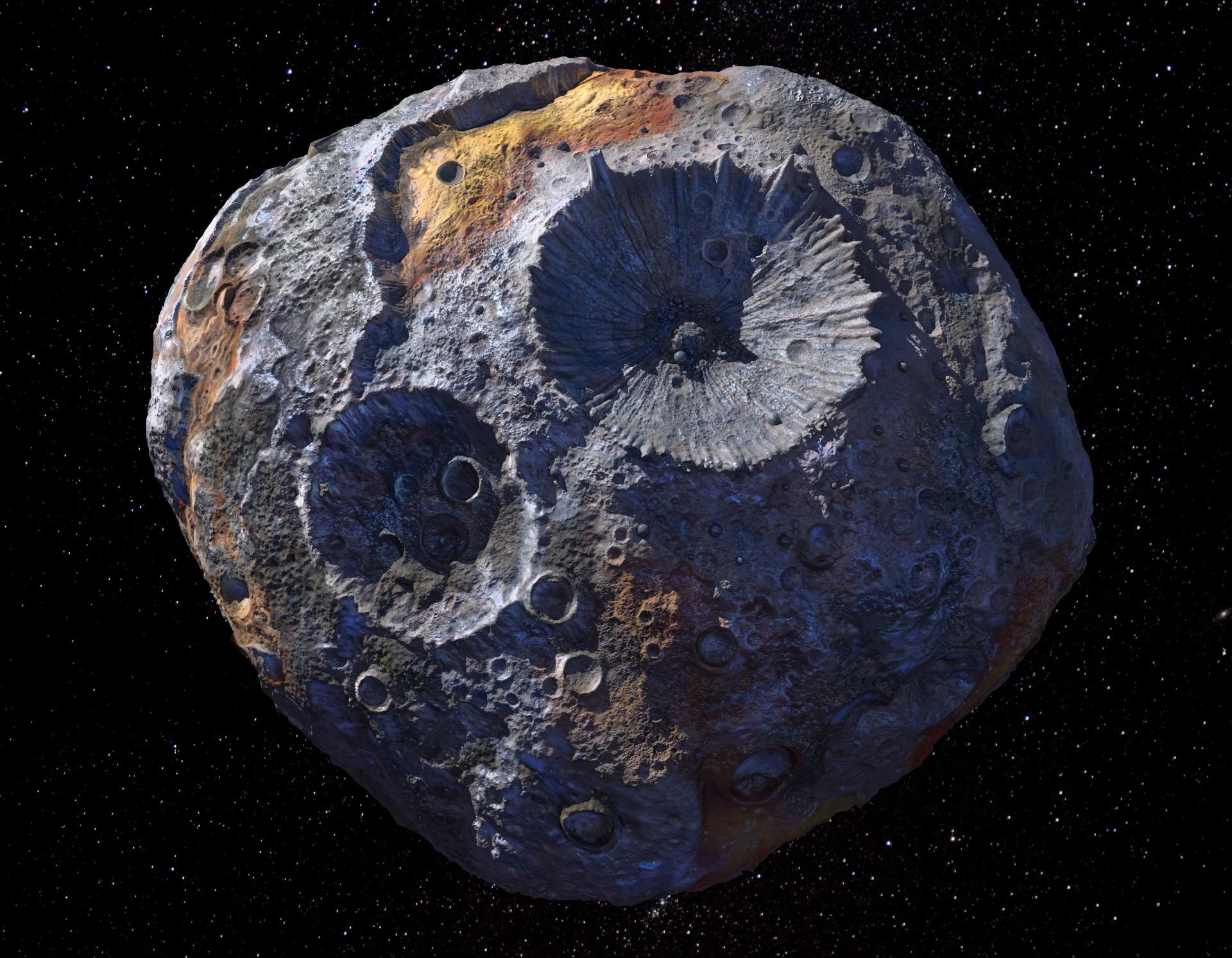
Scientists say Roman could detect asteroids as small as 60 feet across, a size comparable to the asteroid that exploded over Chelyabinsk, Russia in 2013, releasing energy equal to 500,000 tons of TNT. Some software adjustments are still needed, since Roman’s system currently filters out streaks in images that could actually be asteroids.
The Roman Telescope will be a part of Earth’s defense team

Roman telescope won’t lead asteroid hunting efforts alone. NASA’s dedicated Near-Earth Object Surveyor, launching in 2027, will lead detection efforts. Roman will support it alongside the James Webb Space Telescope and the Vera Rubin Observatory. When other telescopes flag risky asteroids with uncertain orbits, Roman’s massive field of view can quickly narrow down their paths. That helps scientists decide which asteroids truly need closer study.
The timing is also notable, since Roman faced funding cut threats last year, and researchers say showcasing its planetary defense value could help secure its future with lawmakers. With over half of the largest near-Earth asteroids still undiscovered,Roman’s unplanned second job might end up being just as important as its first.
NASA built the Roman Space Telescope to study dark matter, but it can also help protect Earth from killer asteroids
Source link