




Pixel 11 vs Pixel 10 series: Do Google’s new phones offer enough for an upgrade?
Digital Trends
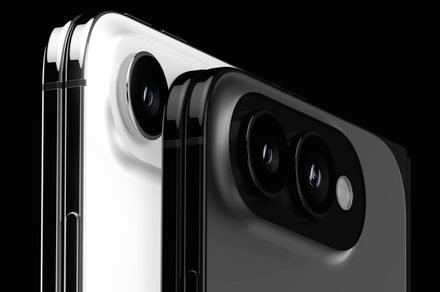
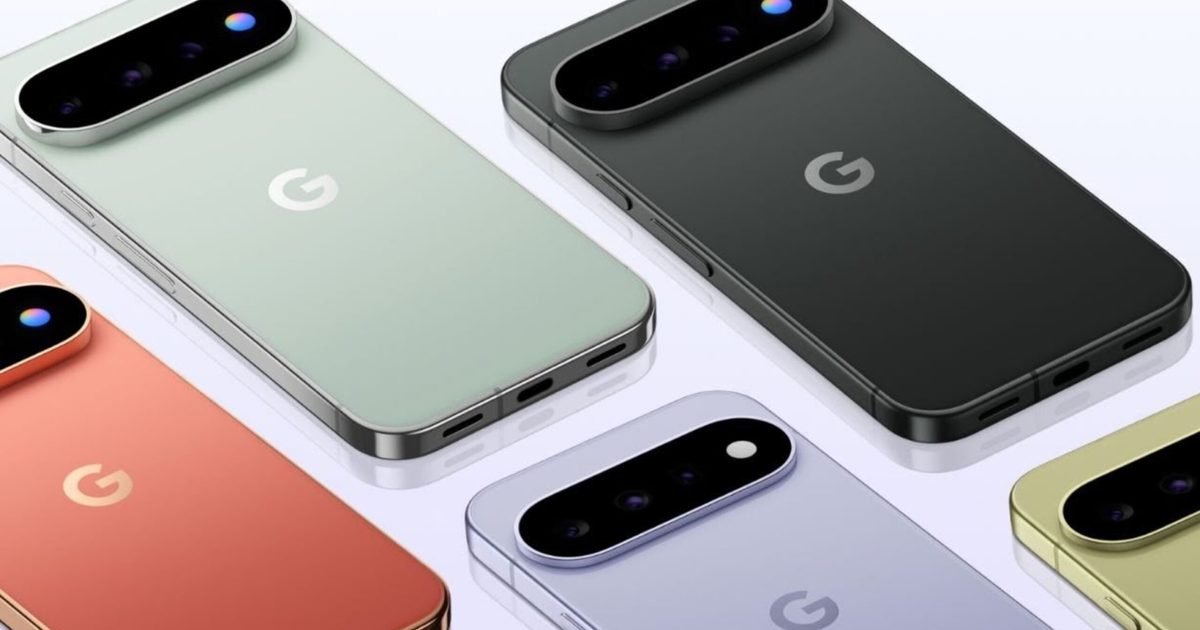
Google’s Pixel 11 family is here, and on paper, it fixes several things I wanted to see improved from the Pixel 10 generation. Tensor G6 promises a meaningful performance bump on all four models, while Google has upgraded cameras throughout the lineup, along with faster charging, and the Pro models get brighter and tougher displays. The Pixel 11 Pro Fold also undergoes much-needed design refinements.
These are some solid improvements for an annual update to Google’s flagship lineup. But whether they justify replacing a Pixel 10 you bought a year ago is a different question. Having covered and used enough annual smartphone refreshes over the years, here’s who should actually make the upgrade.
Google Pixel 11 vs Pixel 10
| Specification | Pixel 10 | Pixel 11 |
|---|---|---|
| US launch price | $799, 128GB | $899, 256GB |
| 256GB launch price | $899 | $899 |
| Display | 6.3-inch OLED, 60-120Hz | 6.3-inch OLED, 60-120Hz |
| Peak brightness | 3,000 nits | 3,000 nits |
| Processor | Tensor G5 | Tensor G6 |
| Security chip | Titan M2 | Titan M3 |
| RAM | 12GB | 12GB |
| Storage | 128GB, 256GB | 256GB, 512GB |
| Battery | 4,970mAh | 4,985mAh |
| Wired charging | Up to 55% in about 30 minutes | Up to 55% in about 30 minutes |
| Wireless charging | Qi2, up to 15W | Qi2.2, up to 25W |
| Main camera | 48MP | New, larger 48MP sensor |
| Telephoto | 10.8MP, 5x optical | 10.8MP, 5x optical |
| Maximum zoom | 20x Super Res Zoom | 30x Super Zoom |
| Weight | 204g | 197g |
The key changes
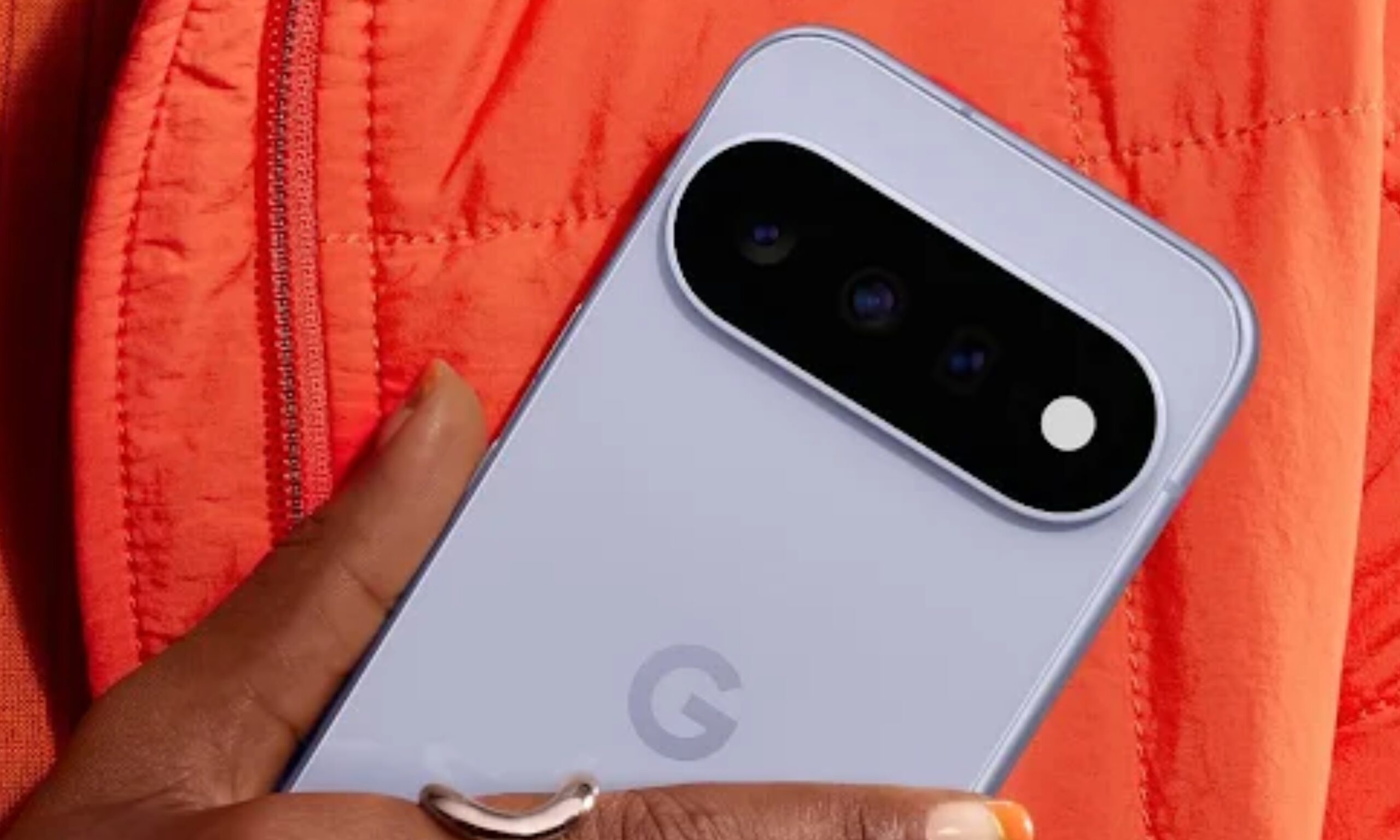
One of the biggest hardware upgrades is the camera. The Pixel 11 gets a new, larger 48MP main sensor that Google says is 56% more light-sensitive. The existing 5x telephoto now stretches from 20x to 30x zoom as well. Those should be useful improvements for low-light photography and subjects that sit beyond the optical zoom range.
We are also seeing a claimed 25% faster web browsing, 15% quicker app launches, and 50% more TPU compute. On-device AI workloads can run up to 3.5 times faster while consuming up to 3.5 times less energy, according to Google’s internal testing.
Those numbers need independent testing before I treat them as real-world gains, though Tensor performance has been an area where Pixel phones could use improvement. The other useful change is charging. Wired speed essentially stays put, while Pixelsnap moves from 15W Qi2 to 25W Qi2.2. The Pixel 11 is also seven grams lighter.
Does an upgrade make sense?
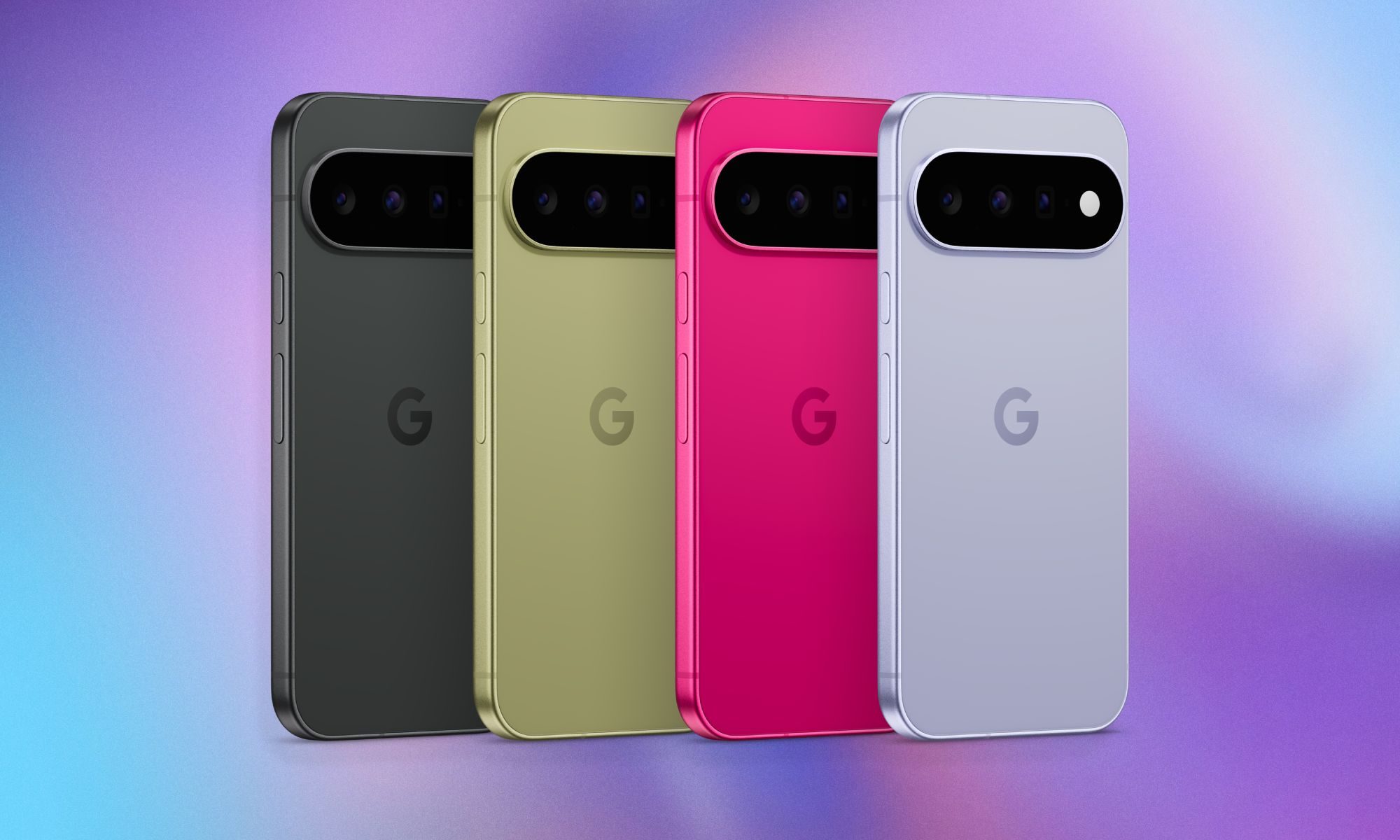
Coming from a Pixel 10? This is not a worthy upgrade. We found the Pixel 10 to be an excellent $800 flagship with a strong balance of cameras, software, battery life, and everyday usability. Nothing about the Pixel 11 suddenly makes the 2025 base flagship obsolete.
A Pixel 8 owner has a more persuasive reason to consider it. There are plenty of gains like the Tensor G6, a dedicated 5x telephoto on the standard model, Pixelsnap, and more software refinements.
Pixel 11 Pro and Pro XL vs Pixel 10 Pro and Pro XL
| Specification | Pixel 10 Pro | Pixel 11 Pro | Pixel 10 Pro XL | Pixel 11 Pro XL |
|---|---|---|---|---|
| US launch price | $999, 128GB | $1,099, 256GB | $1,199, 256GB | $1,299, 256GB |
| 256GB launch price | $1,099 | $1,099 | $1,199 | $1,299 |
| Display | 6.3-inch LTPO OLED, 1-120Hz | 6.3-inch LTPO OLED, 1-120Hz | 6.8-inch LTPO OLED, 1-120Hz | 6.8-inch LTPO OLED, 1-120Hz |
| Peak brightness | 3,300 nits | 3,600 nits | 3,300 nits | 3,600 nits |
| Processor | Tensor G5 | Tensor G6 | Tensor G5 | Tensor G6 |
| Security chip | Titan M2 | Titan M3 | Titan M2 | Titan M3 |
| RAM | 16GB | 12GB at 256GB; 16GB at 512GB/1TB | 16GB | 12GB at 256GB; 16GB at 512GB/1TB |
| Battery | 4,870mAh | 4,850mAh | 5,200mAh | 5,115mAh |
| Wireless charging | Up to 15W | Up to 25W | Up to 25W | Up to 25W |
| Main camera | 50MP | New 50MP sensor | 50MP | New 50MP sensor |
| Telephoto | 48MP, 5x | Redesigned 48MP, 5x | 48MP, 5x | Redesigned 48MP, 5x |
| Maximum zoom | 100x Pro Zoom | 120x Pro Zoom | 100x Pro Zoom | 120x Pro Zoom |
| Weight | 207g | 204g | 232g | 226g |
The key changes
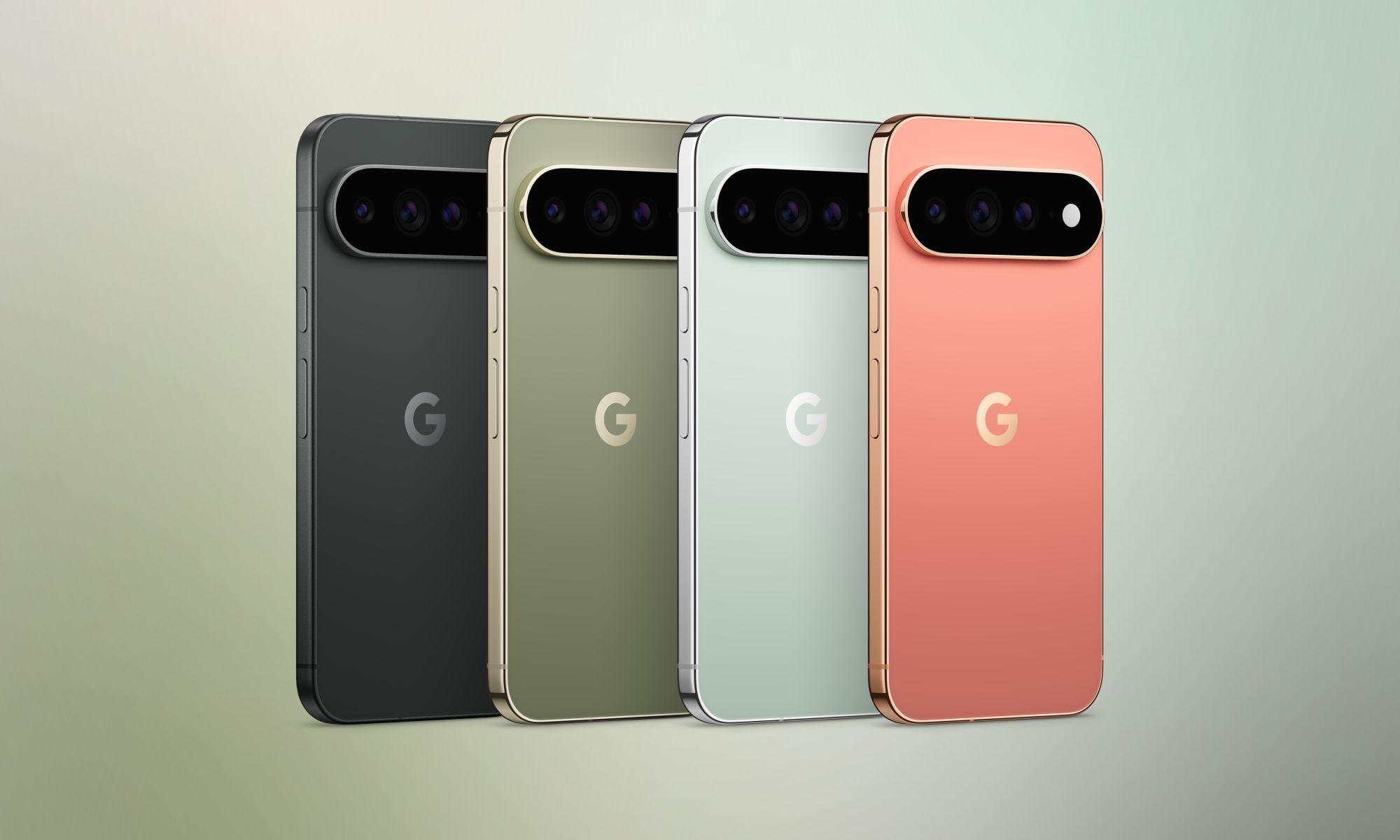
Google brought some decent updates to the Pro models as well. Google has replaced the main sensor and redesigned the 48MP telephoto around a larger sensor that it says captures 30% more light. Portrait Mode now works at 5x, Pro Zoom reaches 120x, and Google claims Night Sight can capture images up to 4.5 times faster.
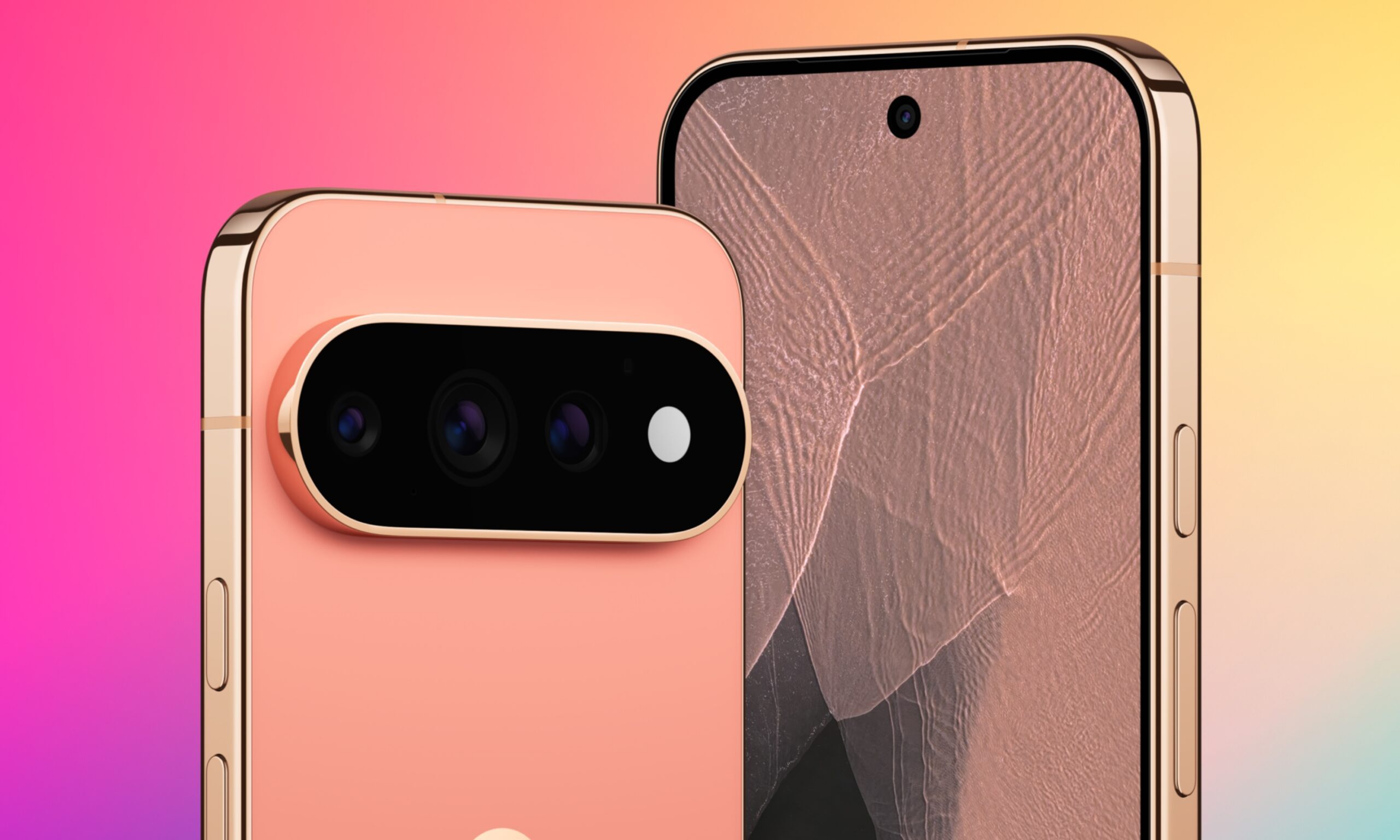
The displays rise from 3,300 to 3,600 nits and receive a new coating that Google says provides more than twice the scratch resistance of the previous generation. Oddly enough, the 256GB Pixel 11 Pro and Pro XL have 12GB of RAM, down from 16GB across the Pixel 10 Pro lineup. Buying 512GB or 1TB restores 16GB. Battery capacities have also fallen slightly to 4,850mAh and 5,115mAh.
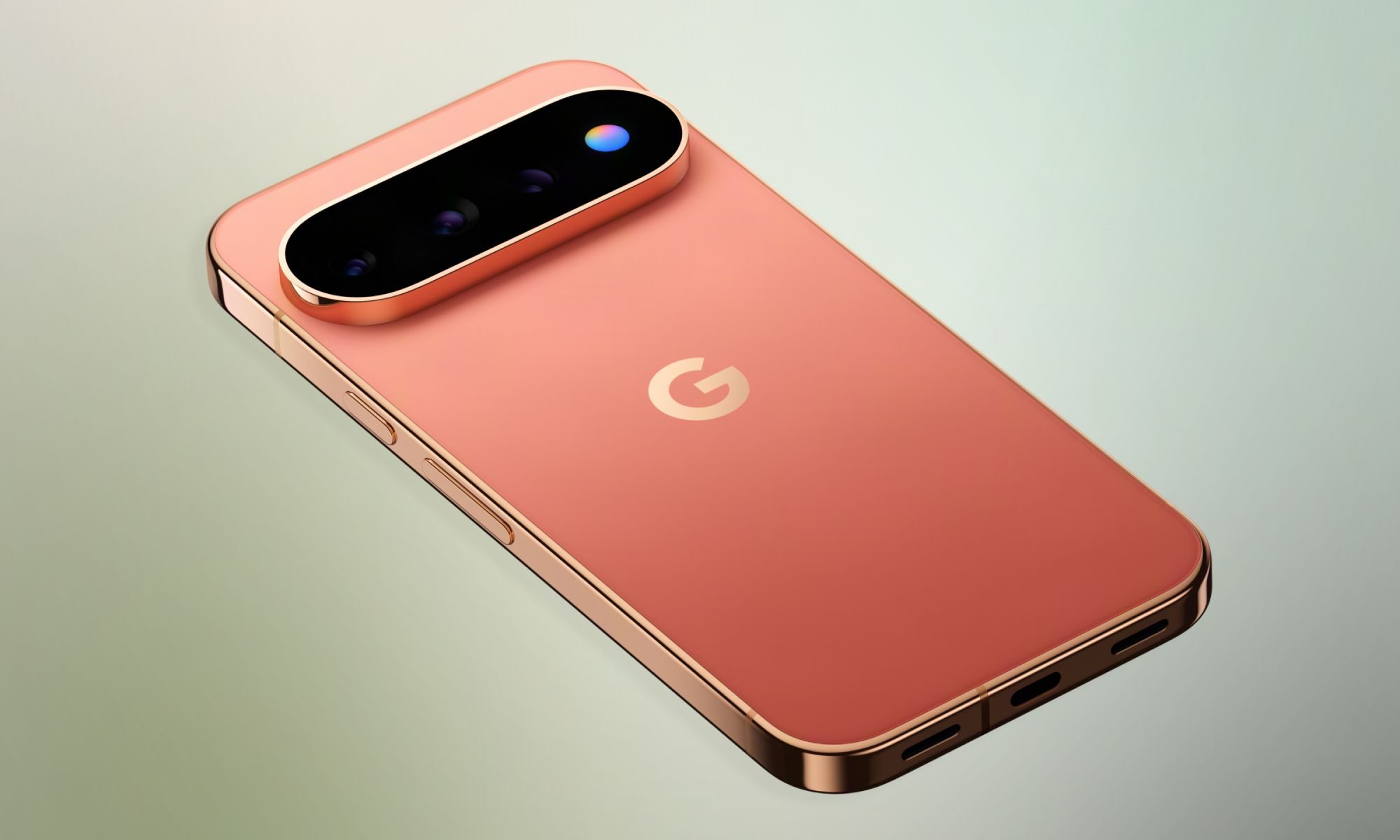
A big new addition is the introduction of HiLight, a rear-facing light system designed to surface notifications and alerts without requiring you to wake the display. It is a small addition compared with the new telephoto hardware, but it fits Google’s broader approach this year: using hardware and software together rather than simply chasing another specification.
Does an upgrade make sense?
Pixel 10 Pro owners have even less reason to rush. In our Pixel 10 Pro review, the device was an excellent flagship, with Tensor G5 performance being one of its more obvious weaknesses. The Pixel 10 Pro XL had similar performance but felt more balanced thanks to its excellent display, cameras, faster charging, and overall polish.
Tensor G6 and the new cameras may tempt someone who shoots constantly, especially in low light or at long zoom ranges. But these aren’t massive changes that warrant an immediate upgrade. Pixel 8 Pro owners get a much larger collection of improvements at once and sit closer to the point where I would seriously consider spending the money.
Pixel 11 Pro Fold vs Pixel 10 Pro Fold
| Specification | Pixel 10 Pro Fold | Pixel 11 Pro Fold |
|---|---|---|
| US launch price | $1,799, 256GB | $1,899, 256GB |
| Cover display | 6.4-inch OLED, 60-120Hz | 6.5-inch OLED, 1-120Hz |
| Inner display | 8.0-inch OLED, 1-120Hz | 8.0-inch OLED, 1-120Hz |
| Peak brightness | 3,000 nits | 3,600 nits |
| Processor | Tensor G5 | Tensor G6 |
| Security chip | Titan M2 | Titan M3 |
| RAM | 16GB | 16GB |
| Battery | 5,015mAh | 4,806mAh |
| Wireless charging | Qi2, up to 15W | Qi2.2, up to 25W |
| Main camera | 48MP | New 48MP sensor |
| Maximum zoom | 20x | 30x |
| Folded thickness | 10.8mm | 10.1mm |
| Unfolded thickness | 5.2mm | 5.0mm |
| Weight | 258g | 239g |
| Dust/water resistance | IP68 | IP68 |
| Hinge | Gearless hinge | Redesigned gearless hinge |
| Durability | Gorilla Glass Victus 2 outer display | Ceramic outer cover glass, revised hinge, thicker inner glass; Google claims 3x greater durability |
The key changes
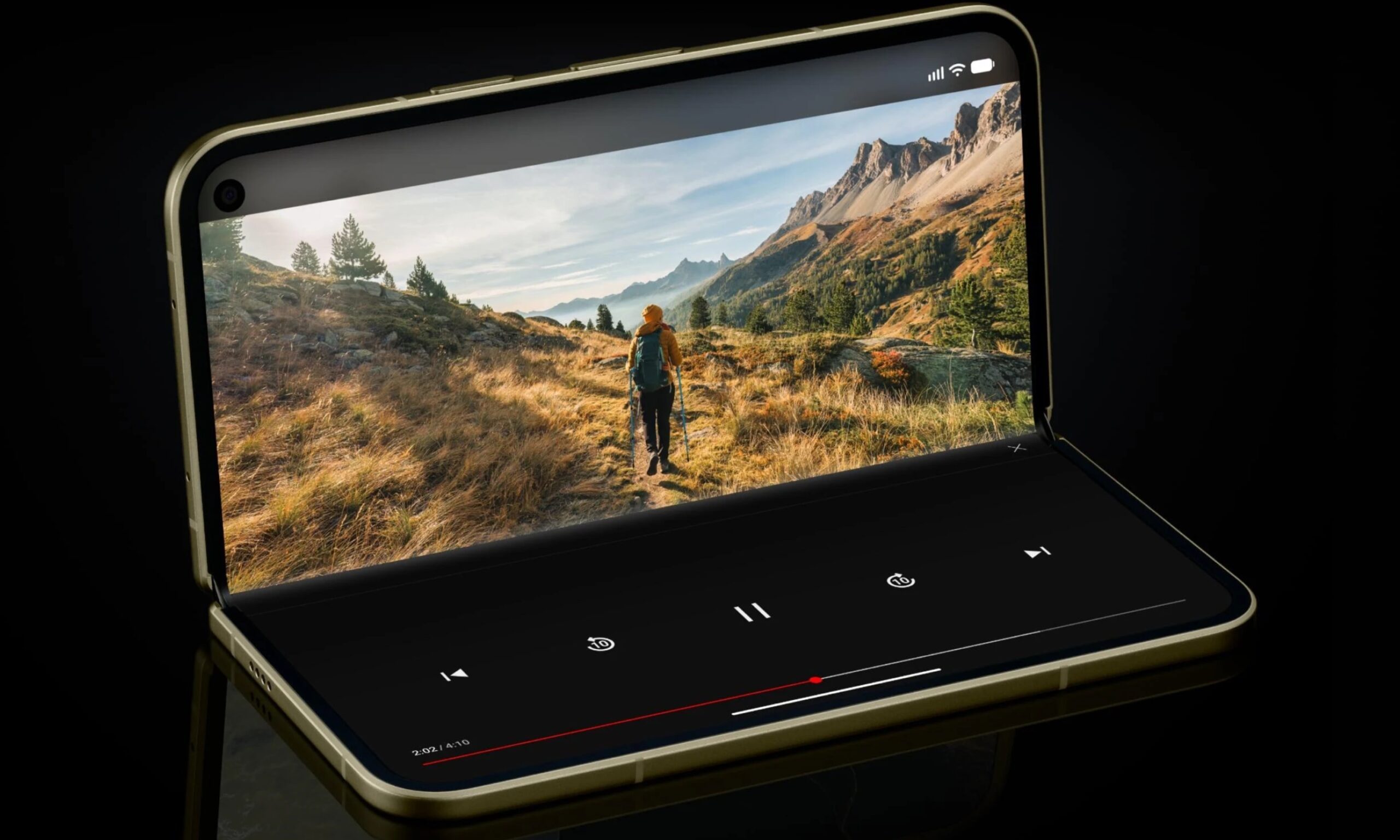
While the foldable space isn’t particularly crowded, foldable Pixels never really caught my attention. But the Pixel 11 Pro Fold is Google’s closest attempt at matching the competition–at least in terms of design. Google has shaved 19 grams from the Pixel 10 Pro Fold and reduced folded thickness from 10.8mm to 10.1mm. I recently talked about how the thickness after a certain point isn’t particularly bothersome if it’s a trade-off for large batteries.
But the Pixel 11 Pro Fold trimming down that weight is essential in making it feel more natural to use as a daily driver. Durability is also another area that received significant attention. Google redesigned the gearless hinge with a larger bend radius, added thicker inner-display glass, and switched the outer display to ceramic cover glass.
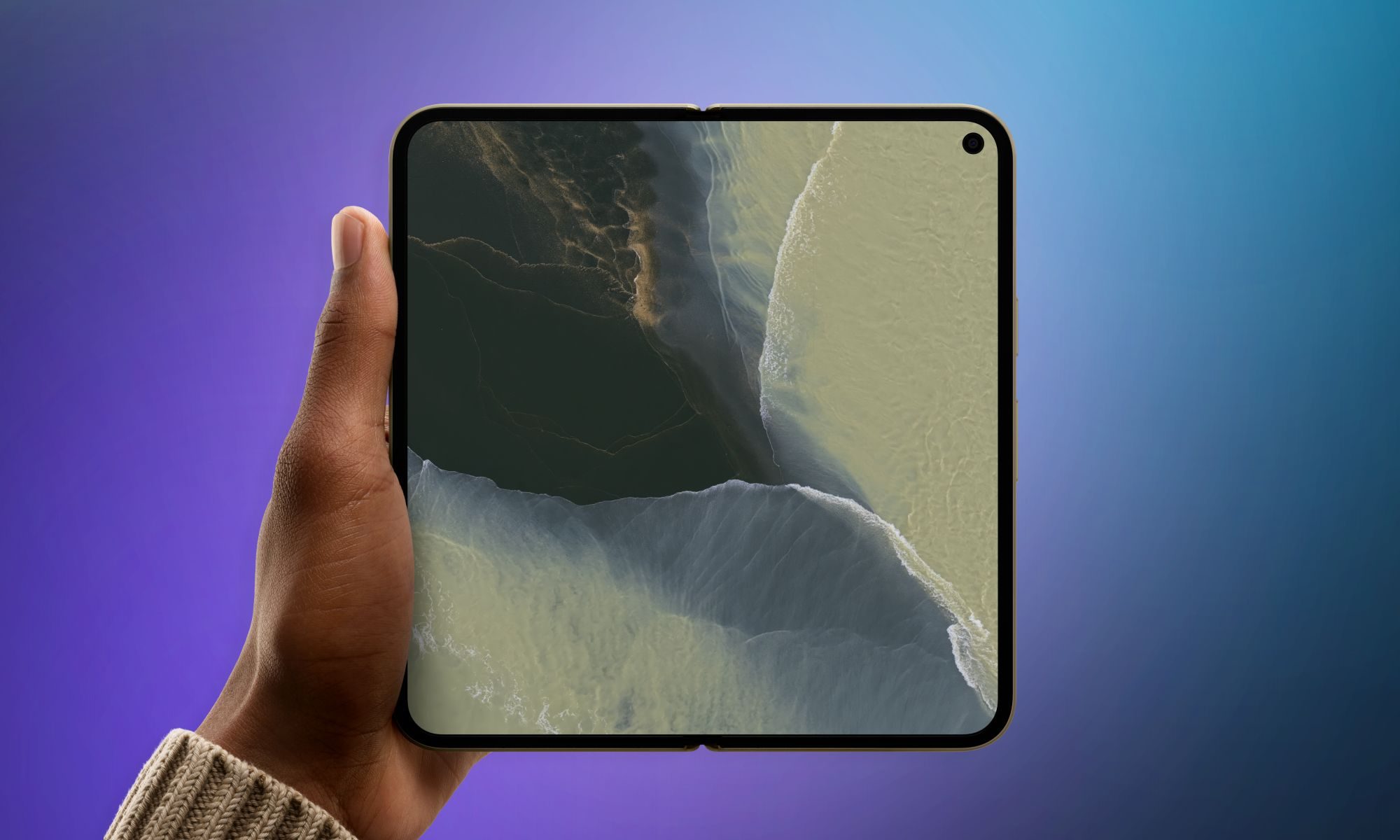
Wireless charging rises from 15W to 25W, and the camera receives a new 48MP main sensor with zoom increasing to 30x. Battery capacity, however, falls noticeably from 5,015mAh to 4,806mAh. It remains to be seen whether there is an actual hit on overall endurance.
Does an upgrade make sense?
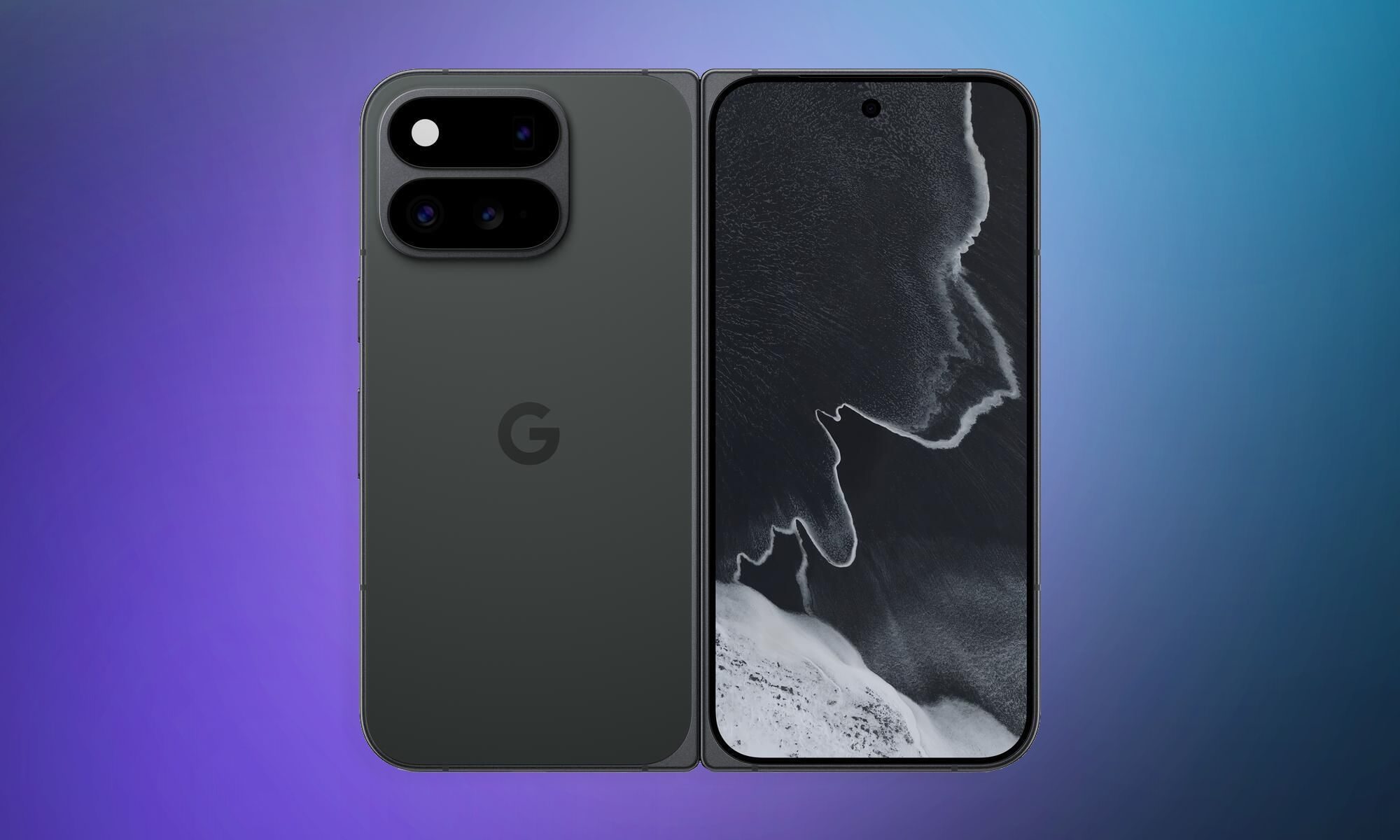
Even here, I would keep the Pixel 10 Pro Fold for another year. The lighter chassis is the upgrade most likely to change everyday use. Spending another $1,899 after twelve months remains difficult to justify when the Pixel 10 Pro Fold already brought IP68 protection, a gearless hinge, Qi2, and Tensor G5. Someone coming from the Pixel 9 Pro Fold has a more interesting decision, particularly if weight and durability have been sticking points.
Pixel 11 has clever new software, but there’s a catch
Google is leaning heavily into camera software this year. Creator Suite adds tools such as social-media framing guides, project organization, speech enhancements, and a built-in teleprompter directly inside the camera experience. Magic Capture can simultaneously collect video and still moments, while Camera Looks gives users more control over how images are processed.

Some of these additions can be handy for creators, but they’re not really a reason alone to replace a thousand-dollar phone. Google has a long history of bringing newer Pixel capabilities to older devices through Feature Drops, and Creator Suite is only confirmed as Pixel 11-exclusive for now. Unless Google explicitly says a feature requires Tensor G6 or other new hardware, I would treat software exclusivity cautiously.
Discounted Pixel 10 or a Pixel 11 with trade-in?
The Pixel 11 starts $100 higher than the Pixel 10 did, while also doubling its starting storage from 128GB to 256GB. Compare equivalent 256GB configurations, and both cost $899 at launch. The same logic applies to the Pixel 11 Pro: its $1,099 256GB price matches what Google charged for a 256GB Pixel 10 Pro. Only the Pro XL and Fold receive genuine $100 increases at the same starting storage.
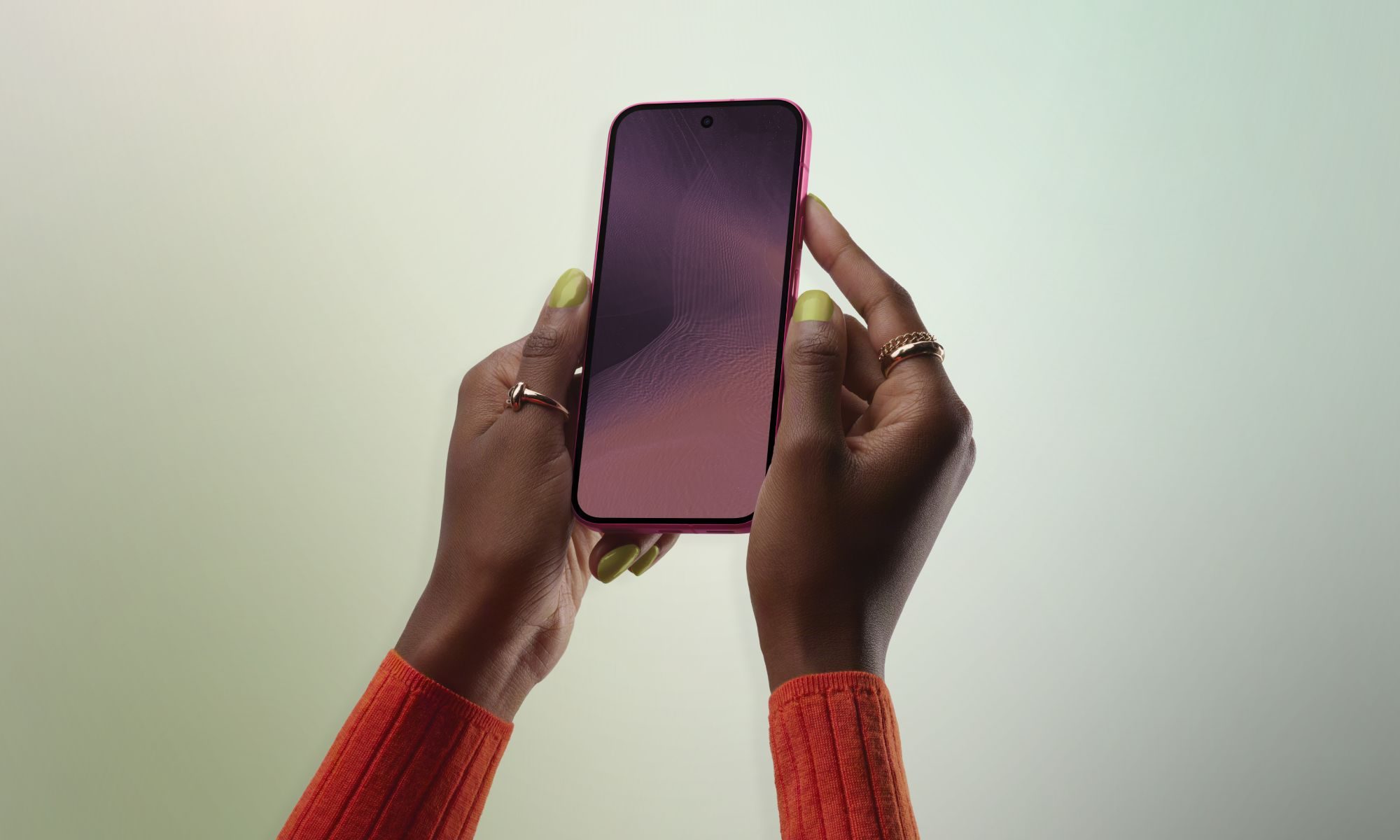
But the discounts make things more fun. We’ve already seen aggressive Pixel 10-series sales, including the Pixel 10 Pro XL falling to $949 earlier this year. Once the Pixel 10 generation gets substantially cheaper, it becomes a great deal in its own right.
But Google swings back with Pixel 11 launch trade-ins. Current US values include $500 for a Pixel 10, $600 for a Pixel 10 Pro, $700 for a Pixel 10 Pro XL, and as much as $1,000 for a Pixel 10 Pro Fold, depending on the Pixel 11 variant being purchased. If a discounted Pixel 10 saves me several hundred dollars, I would buy the older phone.
Where I’d start upgrading
Google has built a stronger Pixel lineup this year. The important improvements are concentrated in key areas like photography, performance, and charging. But Pixel 10 owners simply haven’t had enough time for those changes to feel worthwhile. Even the Pixel 9 generation remains young enough that I would need a specific reason, such as the new camera hardware, to justify replacing it.
My cutoff is the Pixel 8 lineup. Those phones still receive software updates, so nobody needs to upgrade urgently. Three generations of camera development, Tensor improvements, Pixelsnap, and Google’s expanding software suite finally create a substantial enough jump to make the Pixel 11 family worth serious consideration.
Pixel 11 vs Pixel 10 series: Do Google’s new phones offer enough for an upgrade?
Source link