




Samsung takes on Dolby Vision 2 with its new HDR format hitting Prime Video this month
Digital Trends
I didn’t expect Samsung to be the one crossing the finish line first here, given how much noise Dolby Vision 2 made when it was announced (September 2025).
The company has confirmed its next HDR format, and it’s arriving on a popular OTT platform this month, beating Dolby Vision 2 to the punch.
So what exactly is Samsung launching?
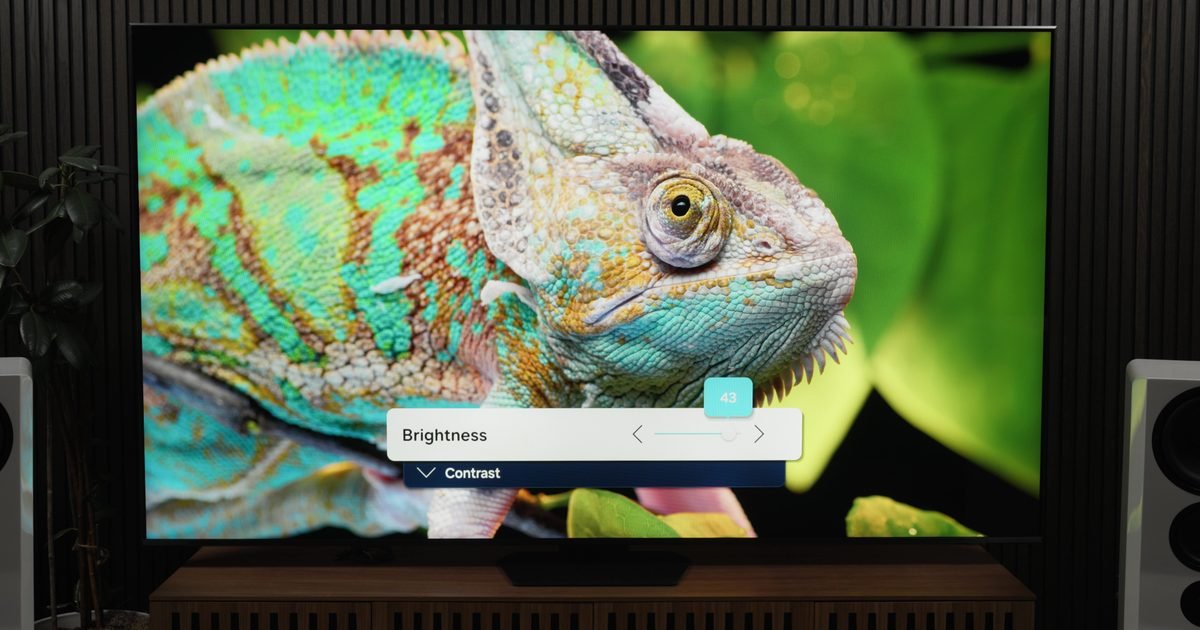
Called HDR10+ Advanced, Samsung’s new HDR format is arriving on Prime Video this month, and the company’s 2026 TV models should support it. The genuinely surprising part for me is that this format only got announced back in November, months after Dolby Vision 2, and Samsung still managed to ship it first.
Now, Samsung hasn’t said exactly which TV models qualify, or how much Prime Video content we’ll get at launch. However, a promotional image confirms the Amazon series Ride or Die will support it.
Under the hood, this update bundles six separate upgrades. It includes a brightness boost built for today’s punchier TV panels, genre-specific picture tuning, more precise local dimming for mini-LED sets, and, last but not least, improved color accuracy.
At their core, both formats are chasing the same idea. They’re after smarter, scene-by-scene motion smoothing that handles fast action without slipping into that dreaded “soap opera” look older TVs are known for.

How does this actually compare to Dolby Vision 2?
Samsung’s version goes by the name Intelligent Motion Smoothing. It’s paired with a gaming-focused mode aimed partly at cloud gaming services. Dolby Vision 2’s version is called Authentic Motion, just so you know.
The real issue here isn’t about the similarities or the differences, in my opinion. It’s about a chaotic format war breaking out between players in the TV industry.
Hisense, Philips, and TCL are all lining up behind Dolby Vision 2, perhaps to close the gap with premium brands that often go with proprietary chip-level picture processing and the tiered flexibility (Dolby Vision 2 vs. Dolby Vision 2 Max) that could help them differentiate between value and premium products.
Peacock and Canal+ have also committed to stream that format once it’s actually ready, as the format needs a software update to enable it. LG, on the other hand, is sitting this fight out entirely. Instead, it’s building its own separate system with Prime Video.
Samsung avoided Dolby’s licensing fee while shipping a competing format first. That suggests real financial motivation behind the rush.
Samsung takes on Dolby Vision 2 with its new HDR format hitting Prime Video this month
Source link