





Senate cloture vote on Clarity Act fails, dealing regulatory blow to crypto industry
Tech
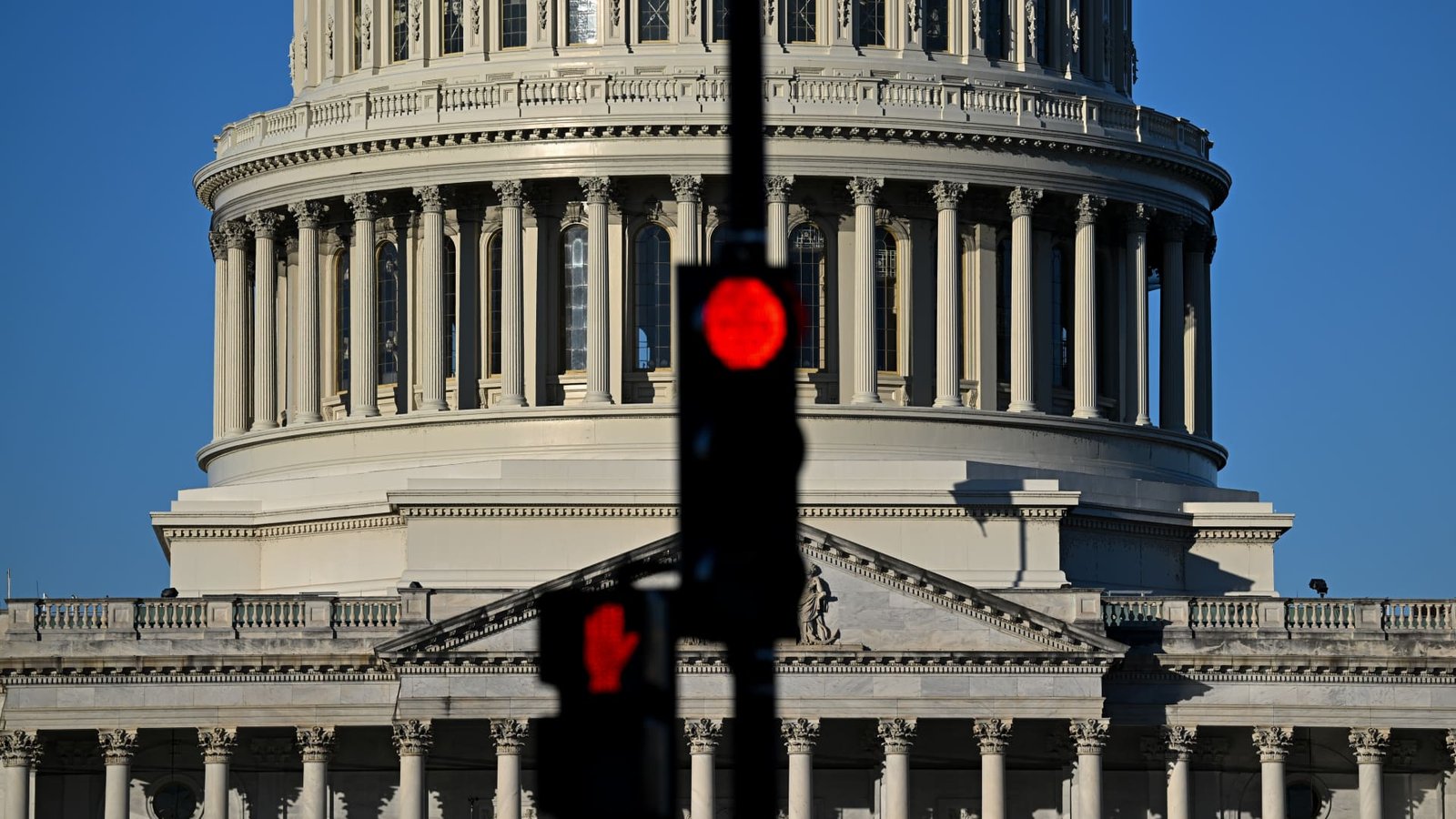
The Senate on Tuesday voted to block the Clarity Act from advancing, dealing a major blow to the crypto industry’s push for a comprehensive market structure framework.
The procedural vote leaves the bill stalled on Capitol Hill after months of negotiations aimed at building bipartisan support. Republican leaders had released a revised version of the bill Sunday, adding new ethics restrictions to address Democratic concerns to limit the ability of public officials to profit from crypto ventures. Those changes weren’t enough, however, to resolve the remaining opposition.
The vote was a stunning loss for the crypto industry, which had exuded confidence that enough senators would vote to advance the bill. Leading up to the vote, Democrats expressed frustration that Republican negotiators didn’t meet their demands regarding ethics to address profits gained from crypto ventures by President Donald Trump and his family.
“The compromise we had was a good ethics compromise that would have bought a lot of Dem votes,” said Sen. Ruben Gallego, D-Ariz., a key Democratic negotiator, before the vote. Gallego charges Republicans with caring “more about making sure the president keeps making money than actually bringing regulations,” and consequently “failing the whole system.”
The price of bitcoin was last down 3%, while Coinbase and Circle shares slid 8% and 10%, respectively, amid the broader market sell-off.
The vote on the motion to proceed attracted 50 votes for and 49 against, far below the 60 votes needed to clear the procedural hurdle.
Crypto framework
The bill would establish a framework for crypto, divide oversight between the Securities Exchange Commission and the Commodity Futures Trading Commission, set registration requirements and strengthen anti-money-laundering protections.
For the crypto industry, the significance of Tuesday’s vote was whether the act could move forward for Senate debate and consideration. Even if successful, it would still need to then survive further Senate negotiations and votes, then clear the House before reaching President Trump’s desk.
Though executives and investors say legislation would lend certainty and help attract long-term capital, much of the industry has resigned itself to the likelihood that regulatory momentum may have to be built outside of Congress. The SEC, for example, has proposed allowing startups to sell as much as $75 million of tokens without registering, while the CFTC recently approved the first bitcoin perpetual futures in the U.S.
The failed vote likely means the crypto industry will have to wait until next year for clearer rules. Sen. Cynthia Lummis, R-Wyo., the top champion of the crypto industry in the Senate, told reporters earlier Tuesday that “it’s over” if the Clarity Act procedural vote failed.
Also complicating bringing the bill back up for consideration is the midterm election in seven weeks. Senators are scheduled to leave Washington in early October and not return until after the election. The House recesses even earlier, heading out of town at the end of this week. Members, especially those in tight races, are eager to return to their home states and hit the campaign trail.
Tuesday’s vote might pave the way for Fairshake, a crypto political action committee, to donate to candidates running against senators who voted to block the Clarity Act.
Senate cloture vote on Clarity Act fails, dealing regulatory blow to crypto industry
Source link